
Treatment - Cancer Currents Blog
Cancer treatment related news, with context from leading experts. Includes articles on new therapies, treatment side effects, and important trends in treatment-related research.
-
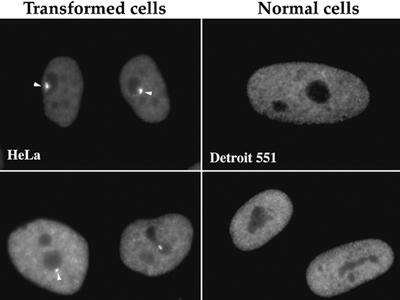
Researchers have struggled to develop therapies to treat tumors that have spread to other parts of the body. In a new study, researchers tested whether the experimental drug metarrestin can selectively shrink metastases in mouse models of aggressive pancreatic cancer.
-
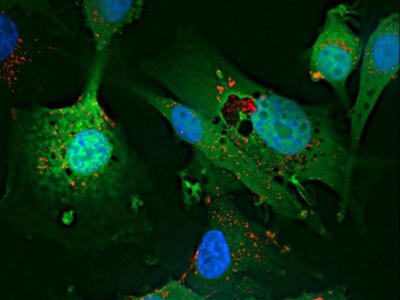
Despite continued efforts to develop new therapies for glioblastoma, none have been able to improve how long patients live appreciably. Despite some setbacks, researchers are hopeful that immunotherapy might be able to succeed where other therapies have not.
-
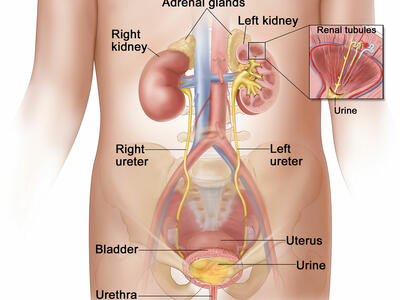
Results from an NCI-sponsored clinical trial may point to an important change in how some children with advanced Wilms tumor, a form of kidney cancer, are treated.
-
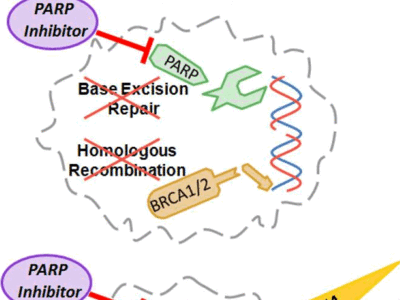
FDA has expanded its approval of rucaparib (Rubraca) as a maintenance therapy for women with recurrent ovarian, fallopian tube, or primary peritoneal cancer whose tumors shrank after subsequent treatment with a platinum-based chemotherapy.
-
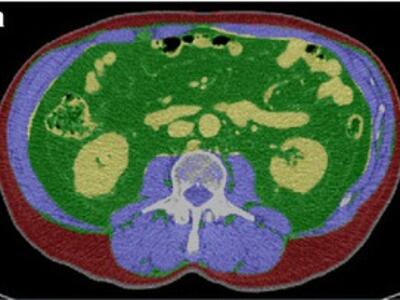
Researchers compared the risk of death for women with breast cancer who had low skeletal muscle mass, or sarcopenia, at the time of their cancer diagnosis and women who had adequate muscle mass.
-
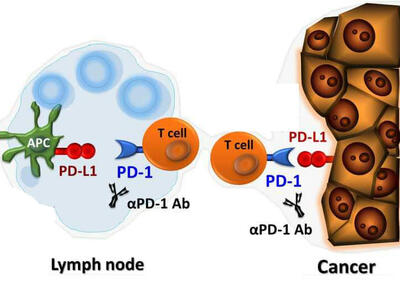
Results from a large clinical trial show combining an immune checkpoint inhibitor with chemotherapy helped some patients with advanced lung cancer live longer than chemotherapy alone. How will this change the lung cancer treatment landscape?
-

In a small clinical trial, researchers compared the efficacy of a much lower dose of the cancer drug abiraterone (Zytiga) taken with a low-fat breakfast with a full dose taken on an empty stomach, as directed on the drug’s label.
-
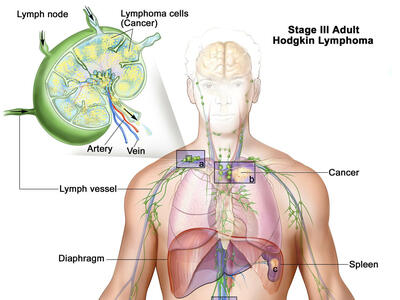
The FDA has expanded the approved uses of brentuximab (Adcetris) in people with Hodgkin lymphoma. Under the new approval, brentuximab can be used in combination with three other chemotherapy drugs as an initial treatment in patients with advanced disease.
-
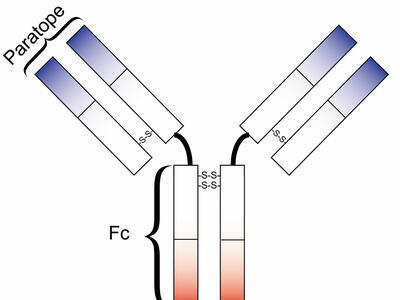
Two independent groups of researchers have fused a TGF-beta receptor to a monoclonal antibody that targets a checkpoint protein. The result is a single hybrid molecule called a Y-trap that blocks two pathways used by tumors to evade the immune system.
-

NCI has launched Navigator, a new resource for researchers interested in using specimens and clinical data collected from large cancer clinical trials.