
Childhood Cancer - Cancer Currents Blog
News about childhood cancer research, with context from leading experts. Topics include new treatments, issues facing childhood cancer survivors, and findings on the biology of cancer in children.
-

Since launching the Childhood Cancer Data Initiative, NCI has undertaken a range of research activities to support this important effort. In this Cancer Currents post, NCI Director Dr. Norman Sharpless provides an update on these efforts.
-
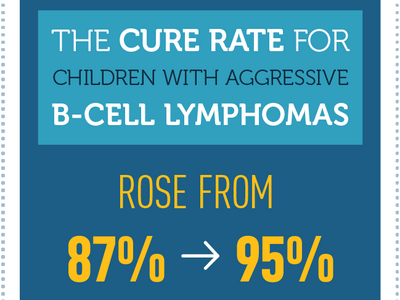
For children with aggressive Burkitt lymphoma and other B-cell non-Hodgkin lymphomas, adding rituximab (Rituxan, Truxima) to chemotherapy substantially increases the likelihood of the child being cured, results from a large clinical trial show.
-

The Food and Drug Administration (FDA) has approved selumetinib (Koselugo) to treat children with neurofibromatosis 1 (NF1), a genetic disorder that causes tumors, called plexiform neurofibromas, to form throughout the nervous system.
-
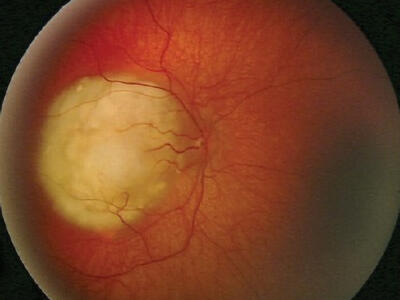
Children with retinoblastoma in low- and middle-income countries were, on average, diagnosed at an older age and with more advanced disease than those in high-income countries, an analysis shows. The data provide clues about global disparities in outcomes.
-
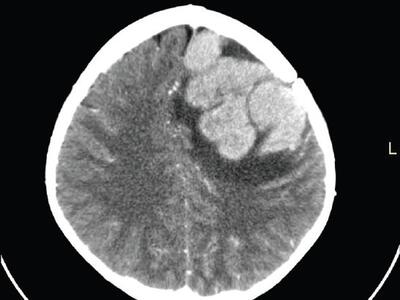
Only 1.5% of children with acute lymphoblastic leukemia who skipped radiation had a recurrence in the central nervous system, according to a recent trial. The therapy, which is intended to prevent such a recurrence, can have devastating side effects.
-
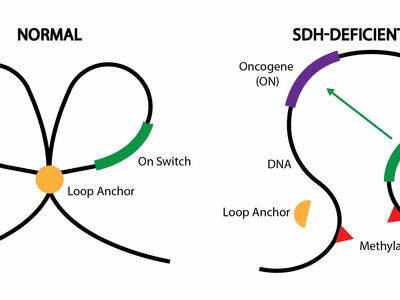
Scientists may have pinpointed the cause of some gastrointestinal stromal tumors (GISTs), a rare cancer, according to a new NCI-funded study. However, the culprit isn’t a harmful genetic mutation, but another type of genetic change, what are called epigenetic alterations.
-
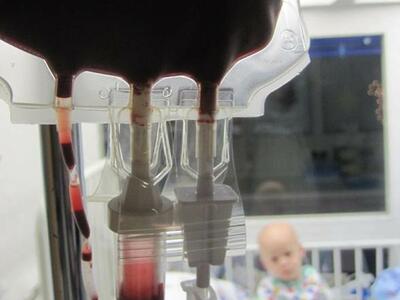
For many children with high-risk neuroblastoma, receiving two separate stem cell transplants is more beneficial than receiving one, according to the results of an NCI-supported clinical trial conducted by the Children’s Oncology Group.
-
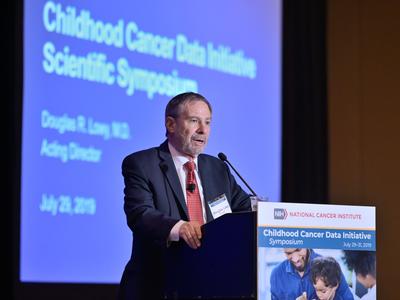
To prepare for the proposed Childhood Cancer Data Initiative, NCI sponsored a 3-day symposium that brought together pediatric cancer researchers, advocates, and other stakeholders.
-

NCI is laying the groundwork to develop the Childhood Cancer Data Initiative (CCDI). NCI Acting Director Douglas Lowy, M.D., explains why an initiative with a focus on data sharing is essential to accelerating progress against childhood cancer.
-
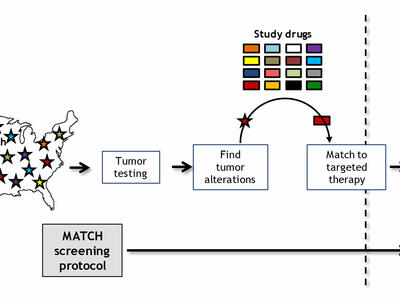
An early report from the NCI–COG Pediatric MATCH trial shows that 24% of young patients with advanced cancer who had their tumors tested for genetic changes were eligible to receive one of the targeted therapies being tested.