
Biology of Cancer - Cancer Currents Blog
Cancer biology research news, with context from experts at NCI and elsewhere. Topics include cancer metastasis, the tumor microenvironment, and new targets for cancer therapies.
-
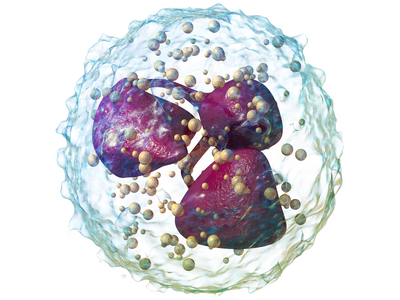
Cancer cells that are leftover after treatment can go into a “dormant” state for years. A new study in mice suggests that stress hormones may trigger a chain reaction that wakes up dormant cancer cells, causing tumors to form again.
-

Researchers have developed a nanoparticle that trains immune cells to attack cancer. According to the NCI-funded study, the nanoparticle slowed the growth of melanoma in mice and was more effective when combined with an immune checkpoint inhibitor.
-
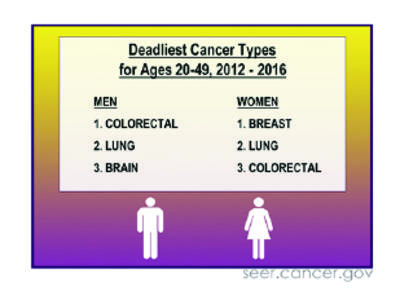
Diagnoses of colorectal cancer continue to increase in younger adults. In September 2020, more than 400 leading scientists and patient advocates participated in an NCI/NIEHS-sponsored symposium to identify research priorities that address important questions about this concerning trend.
-
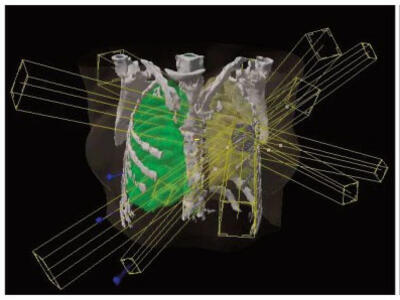
People with oligometastatic cancer have only a few metastatic tumors. Researchers are studying whether treating these individual tumors directly with surgery or stereotactic body radiation therapy (SBTR or SABR) can help patients live longer or improve their quality of life.
-
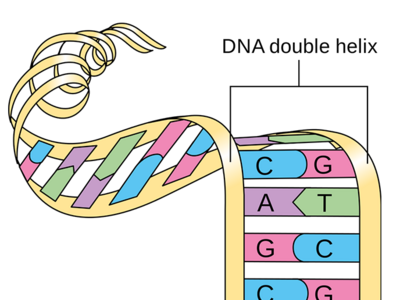
Cancer cells with a genetic feature called microsatellite instability-high (MSI-high) depend on the enzyme WRN to survive. A new NCI study explains why and reinforces the idea of targeting WRN as a treatment approach for MSI-high cancer.
-
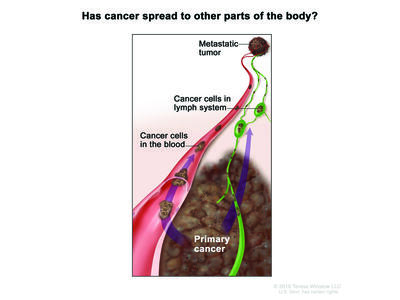
Melanoma cells that pass through the lymphatic system before entering the bloodstream are more resistant to cell death and spread more readily than cells that enter the bloodstream directly. The finding could lead to new treatment approaches.
-
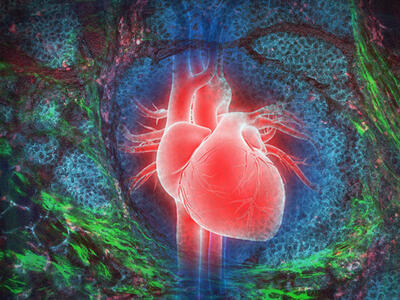
A heart-related event, like a heart attack, may make breast cancer grow faster, a new study suggests. In mice, heart attacks accelerated breast tumor growth and human studies linked cardiac events with breast cancer recurrence, researchers reported.
-

Fusion proteins drive the development of many cancers in children, yet little is known about their biology. NCI’s Fusion Oncoproteins in Childhood Cancers Consortium brings together experts from varied disciplines to investigate these cancers.
-
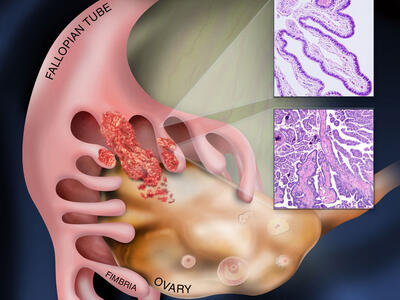
A microRNA—a molecule made by cells to turn genes on and off—called miR-181a may help high-grade serous ovarian cancer form, a study has found. The scientists think the microRNA could potentially help doctors detect ovarian cancer earlier.
-

Two rediscovered drugs, bisantrene and brequinar, slowed the growth of acute myeloid leukemia in studies of mice. The drugs blocked the activity of a protein called FTO, killing cancer stem cells and helping the immune system attack the cancer.