
Cancer Currents: An NCI Cancer Research Blog
A blog featuring news and research updates from the National Cancer Institute.

-
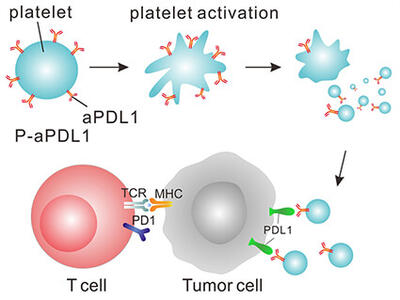
In experiments in mice, researchers show platelets linked to an immunotherapy drug can help eliminate residual cancer cells that remain after surgery. The engineered platelets may also prevent leftover cancer cells from spreading.
-
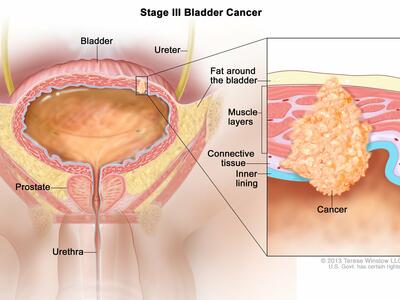
The FDA has approved nivolumab for the treatment of unresectable locally advanced or metastatic bladder cancer that worsened after treatment with platinum-based chemotherapy.
-
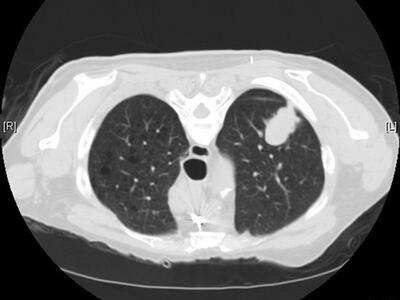
A demonstration project by the Veterans Health Administration is highlighting some of the complexities and challenges associated with the expansion of lung cancer screening in the United States.
-
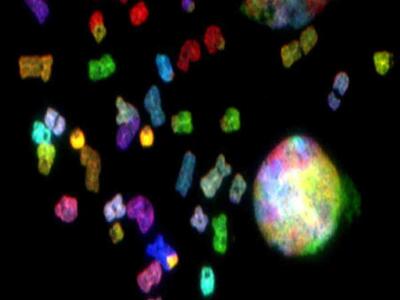
Dr. Richard Schlegel describes an innovative cell culture technique he helped to develop. Called conditional reprogramming, the technique can be used to rapidly establish cell cultures of normal and tumor cells from patient samples.
-
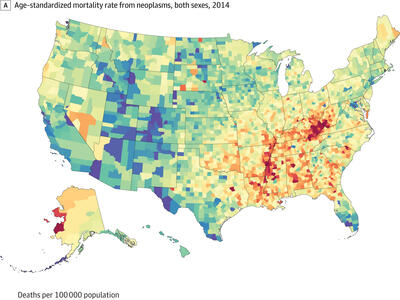
A study of nationwide mortality data found that, while cancer deaths in the U.S. dropped between 1980 and 2014, disparities persisted, and in 160 counties cancer mortality rose substantially.
-

NCI has issued a series of funding opportunity announcements aligned with goals of the recommendations in the Beau Biden Cancer Moonshot℠ Blue Ribbon Panel report released last fall.
-
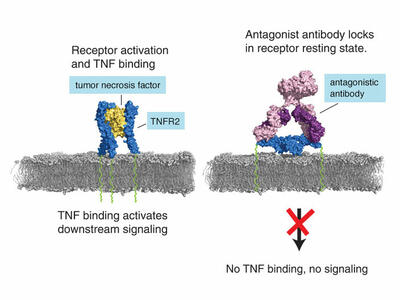
A team of researchers has developed a potential new therapy that may work in two distinct ways to attack tumors, by directly killing cancer cells and immune cells that can suppress the anti-cancer immune response.
-
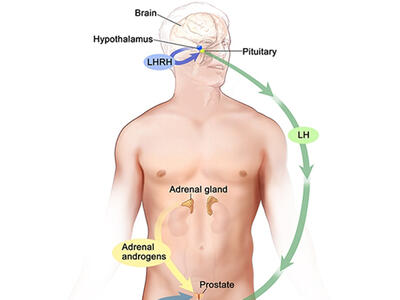
Long-term results from an NCI-sponsored clinical trial suggest that adding androgen deprivation therapy to radiation therapy can improve survival for some men with recurrent prostate cancer.
-
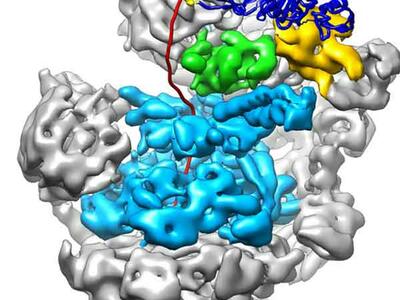
A phase III clinical trial demonstrates that adding the drug bortezomib to a commonly used two-drug regimen extends survival in patients with newly diagnosed multiple myeloma.
-

NCI is launching the NCTN/NCORP Data Archive, a centralized repository of patient-level data from phase III clinical trials conducted by NCI’s NCTN and NCORP trials programs and the National Cancer Institute of Canada-Clinical Trials Group.