
Technology - Cancer Currents Blog
News and commentaries on technology used to conduct cancer research, deliver cancer treatment, improve patient care, and screen for cancer, as well as other topics.
-
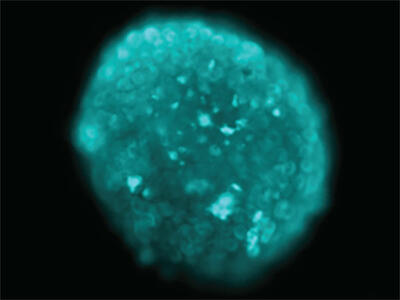
In cancer mouse models, nanoparticles that bind to a protein called P-selectin on tumor blood vessels shrank tumors and extended survival.
-
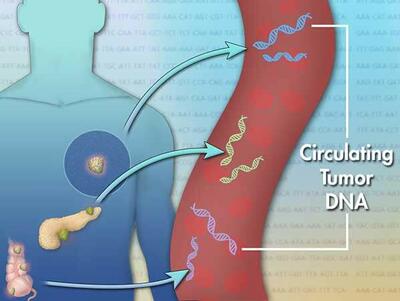
The largest study of its kind to date has shown that a test that assesses DNA mutations and other changes in genetic material shed from tumors into the blood—a liquid biopsy—produced results highly similar to those of traditional tumor biopsies.
-
Health data enthusiasts of all stripes were in Washington, D.C., today for Health Datapalooza. NCI's Dr. Warren Kibbe explains that this annual event explores a topic that is central to NCI’s efforts against cancer: creating knowledge from data.
-
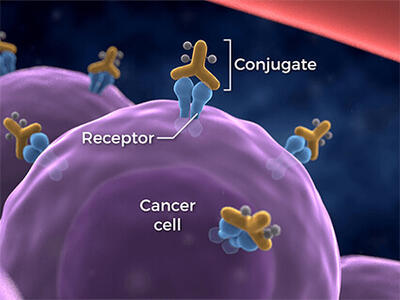
Two new studies from NCI researchers add to growing evidence of the promise of a novel type of cancer immunotherapy that uses infrared light to activate rapid and selective killing of cancer cells.
-
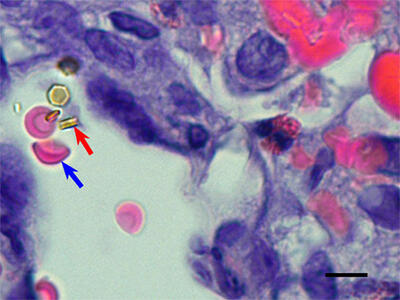
Researchers have developed a new injectable nanoparticle-generating technology that can deliver a cancer drug to the nucleus of metastatic breast cancer cells.
-
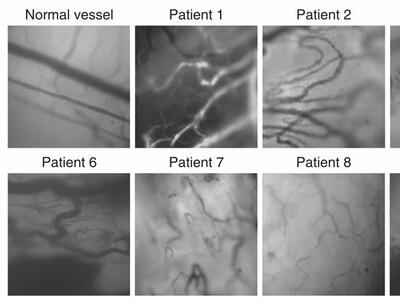
High-powered intravital microscopy reveals that 50 percent of blood vessels in melanoma tumors do not have any blood flow, according to a new study.
-
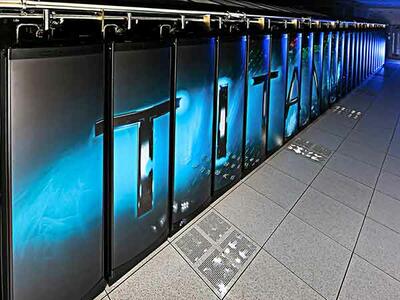
NCI and the Department of Energy have entered into a collaboration to develop a plan to use large-scale computing to influence cancer science and, ultimately, clinical treatment.
-
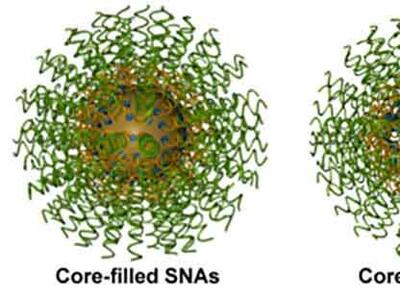
The director of NCI's Office of Cancer Nanotechnology Research discusses the Cancer Nanotechnology Plan 2015, as well as new developments and clinical opportunities in the field.
-
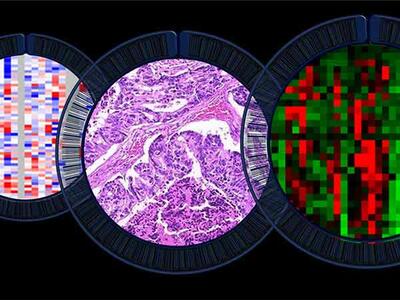
Dr. Henry Rodriguez explains the goals and future directions of CPTAC, a collaborative consortium of institutions and investigators who study cancer proteomics.
-

Genomic methods, such as DNA sequencing, may help doctors manage the treatment of children and young adults with cancer.