
Cancer Currents: An NCI Cancer Research Blog
A blog featuring news and research updates from the National Cancer Institute.

-
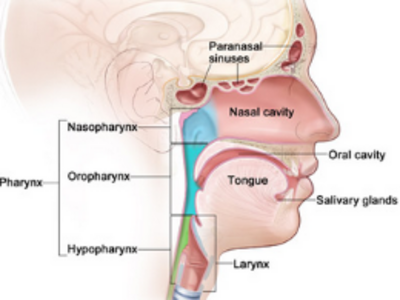
A new study from NCI researchers finds that the HPV vaccine protects young women from infection with high-risk HPV types at the three primary anatomic sites where persistent HPV infections can cause cancer. The multi-site protection also was observed at lower levels in previously HPV-exposed women.
-

Yesterday, at the AACR annual meeting, Dr. Doug Lowy spoke directly to the research community about his goals as NCI Acting Director. Dr. Lowy said that he plans to continue many of the programs launched by his predecessor, Dr. Harold Varmus, and to sharpen the institute’s focus in several areas where he believes greater progress can offer significant dividends.
-
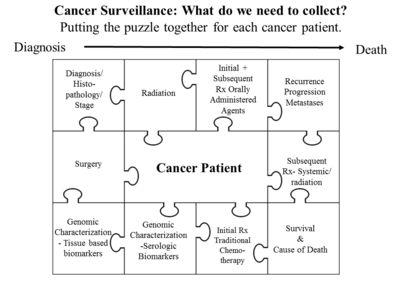
Since the early 1970s, NCI’s SEER program has been an invaluable resource for statistics on cancer in the United States. For the past several years, SEER researchers have been working toward a much broader and comprehensive goal for providing cancer statistics on a nationwide basis.
-
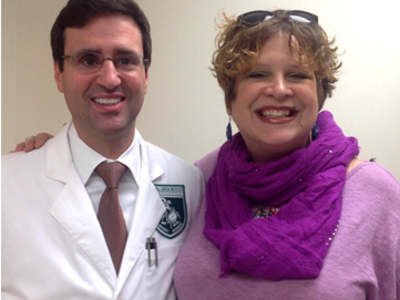
In an early phase NCI clinical trial, two patients with metastatic cervical cancer had a complete disappearance of their tumors after receiving treatment with a form of immunotherapy called adoptive cell transfer.
-
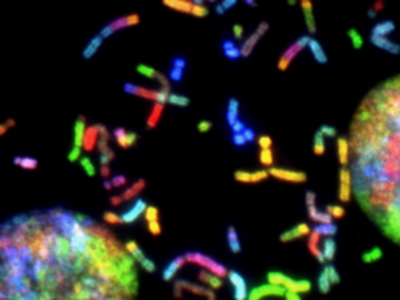
Today’s high-powered microscopes are allowing researchers to study the fine details of individual cells and to peer into cells, opening up new avenues of discovery about the inner workings of cells, including the events that can cause healthy cells to transform into cancer cells.
-

A more substantial and coordinated effort is needed to advance the science of cancer care delivery to help address the complex problems facing our health care systems. In response, NCI has created a new Healthcare Delivery Research Program (HDRP) to strengthen its support and coordination of research in ways that both improve survival and enhance patient care experiences.
-

Frank McCormick, Ph.D., talks about the history, the challenges, and the future of research on RAS gene mutations, which drive more than 30 percent of all human cancers.
-
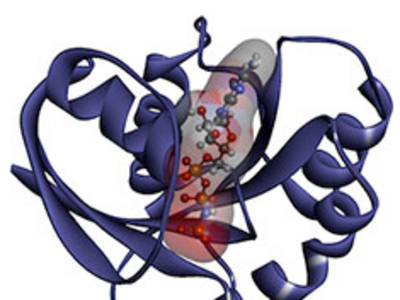
The RAS gene is commonly mutated in cancer and researchers are working to better understand how to develop drugs that can target the RAS protein, which for many years has been considered to be “undruggable.”
-

Jean-Claude Zenklusen, Ph.D., discusses the accomplishments and future of The Cancer Genome Atlas, inspired by topics covered in the documentary film, Cancer: The Emperor of All Maladies.
-

Doug Lowy, M.D., a long-time researcher and leader at NCI, greets the cancer research community as the institute's new acting director.