
Cancer Currents: An NCI Cancer Research Blog
A blog featuring news and research updates from the National Cancer Institute.

-

Using a storytelling approach to educate women about cervical cancer screening eliminated disparities in attitudes toward screening and behavior, according to a new study.
-

Giving some men with prostate cancer chemotherapy after standard treatment with radiation and hormone therapy modestly improves how long they live, according to results from a new NCI-funded clinical trial.
-
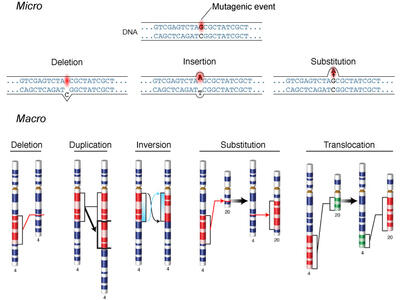
The list of cancers that may be susceptible to checkpoint inhibitors is quickly expanding, according to findings from clinical trials presented at the ASCO annual meeting.
-

In some patients with cancer that has spread to the brain, whole brain radiation following radiosurgery causes more severe cognitive decline and does not improve survival compared with radiosurgery alone, a new study has found.
-

The majority of Americans are not using sunscreen regularly to protect their skin from damage caused by the sun’s ultraviolet (UV) rays, according to a new survey.
-

Screening rates for breast, colorectal, and cervical cancer are lagging behind target rates set by the Healthy People 2020 program, according to a new study.
-

NCI has launched a new, dynamic, and easier-to-use version of NCI’s main websites, Cancer.gov and its counterpart in Spanish, Cancer.gov/espanol.
-

Tumor cells that are missing one copy of the tumor suppressor gene TP53 often harbor another genetic alteration that may make them susceptible to a targeted attack, according to a new study.
-
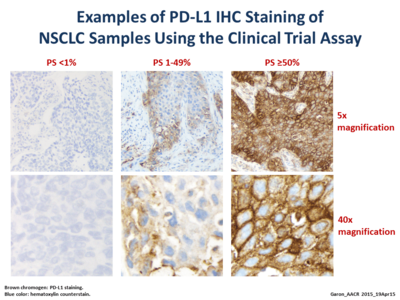
Findings from an early phase clinical trial may point to a biomarker that identifies patients with advanced non-small cell lung cancer most likely to respond to the immunotherapy drug pembrolizumab (Keytruda®).
-
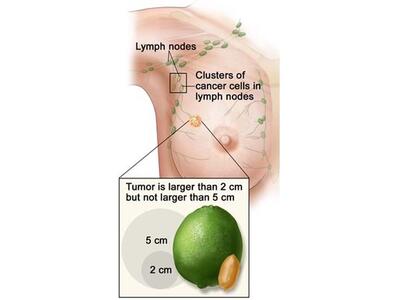
A new study from NCI researchers is forecasting important trends in the types and molecular makeup of breast cancer cases through 2030, including a reduction in the proportion of cases that are considered to be difficult to treat.