
Cancer Currents: An NCI Cancer Research Blog
A blog featuring news and research updates from the National Cancer Institute.

-

According to a new study, among people with cancer in the last month of their lives, filled prescriptions for opioids to control pain have dropped and emergency room visits for pain have increased dramatically.
-
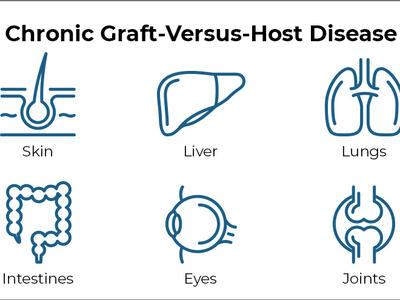
FDA has approved belumosudil (Rezurock) for the treatment of chronic graft-versus-host disease (GVHD). The approval covers the use of belumosudil for people 12 years and older who have already tried at least two other therapies.
-

Nearly 750,000 cases of cancer diagnosed worldwide in 2020, or 4%, can be attributed to alcohol consumption, according to a new study. While heavy drinking accounted for most cases, light and moderate drinking accounted for a modest amount.
-

Cancer can greatly disrupt life for adolescents and young adults, who are already going through major life changes. Gathering data on how cancer and its treatment affect this age group will improve their quality of life during and beyond treatment.
-

FDA has approved a new form of asparaginase called Rylaze. The drug was developed to help alleviate shortages of Erwinia asparaginase, a key part of treatment for children and adults with acute lymphoblastic leukemia.
-
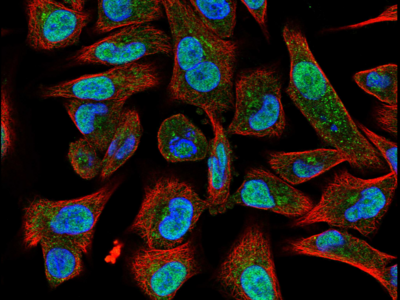
In lab studies, the antibiotic novobiocin showed promise as a treatment for cancers that have become resistant to PARP inhibitors. The drug, which inhibits a protein called DNA polymerase theta, will be tested in NCI-supported clinical trials.
-

Researchers have discovered a consistent pattern of DNA damage in colorectal tumors that may explain how a diet high in red and processed meat can help cause colorectal cancer.
-
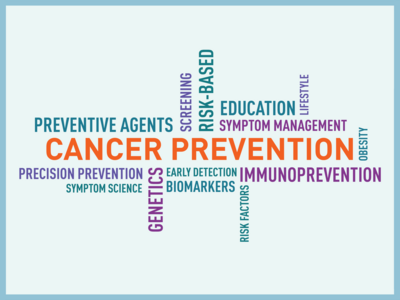
The director of NCI’s Division of Cancer Prevention, Dr. Philip Castle, discusses the division’s priority areas and his vision for making more rapid progress in cancer prevention, including moving toward precision prevention and immunoprevention.
-
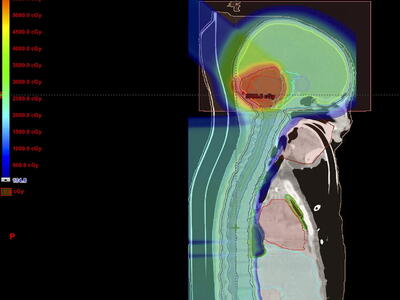
Standard radiation for medulloblastoma can cause long-term damage to a child’s developing brain. A new clinical trial suggests that the volume and dose of radiation could be safely tailored based on genetic features in the patient’s tumor.
-
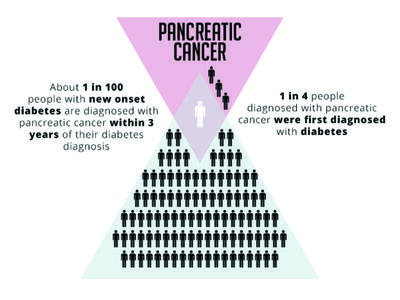
Numerous studies have pointed to a link between new-onset diabetes and pancreatic cancer. Now, several large NCI-supported studies are testing ways to pick out those people whose diabetes might be a sign of early pancreatic cancer, when treatments may be more effective.