
Cancer Currents: An NCI Cancer Research Blog
A blog featuring news and research updates from the National Cancer Institute.

-

NCI Director Dr. Norman Sharpless describes the focus areas of opportunity he has identified that, with enhanced attention from NCI, he believes can accelerate progress in cancer research and care.
-

Colorectal cancer screening reduces deaths from the disease, yet about one-third of Americans aren’t up to date with screening. Learn what happened when people waiting for routine checkups used an app that allowed them to order their own screening test.
-
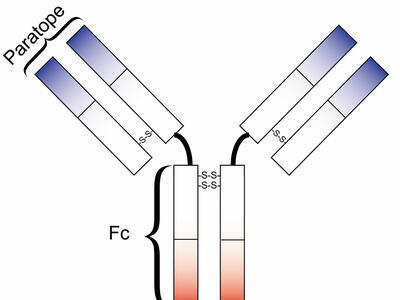
Two independent groups of researchers have fused a TGF-beta receptor to a monoclonal antibody that targets a checkpoint protein. The result is a single hybrid molecule called a Y-trap that blocks two pathways used by tumors to evade the immune system.
-
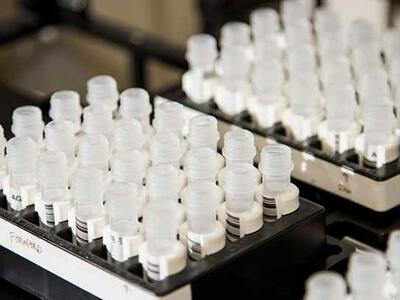
NCI has launched Navigator, a new resource for researchers interested in using specimens and clinical data collected from large cancer clinical trials.
-

Partnerships and collaborations are an important component of NCI’s success. NCI Director Dr. Norman Sharpless describes three efforts made possible by a memorandum of agreement with three US military institutions: the APOLLO network, NAVIGATE, and BD-STEP.
-
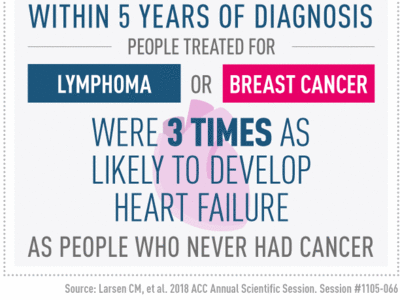
Some people who have been treated for breast cancer or lymphoma have a higher risk of developing congestive heart failure than people who haven’t had cancer, results from a new study show.
-
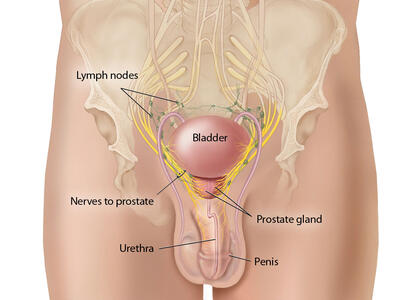
An analysis of records from a national cancer treatment database has found that many men with penile cancer that has not spread beyond nearby lymph nodes did not undergo lymph node biopsy or receive chemotherapy, as recommended by widely used professional guidelines.
-
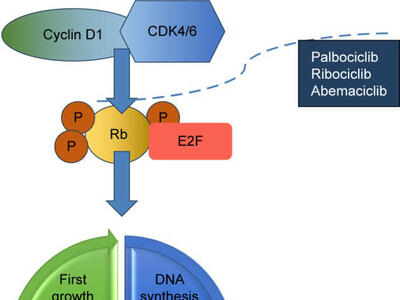
FDA has approved the CDK4/6 inhibitor abemaciclib (Verzenio) as a first-line treatment in some women with advanced or metastatic breast cancer. Under the approval, the drug must be used in combination with an aromatase inhibitor.
-

The President’s Cancer Panel has released its latest report, Promoting Value, Affordability, and Innovation in Cancer Drug Treatment. The report recommends six actions to maximize the value and affordability of cancer drug treatment.
-
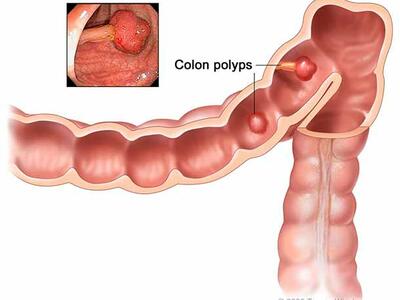
People with FAP, an inherited condition that greatly increases their risk of gastrointestinal cancer, who took the drugs erlotinib (Tarceva) and sulindac (Aflodac) saw a substantial decrease in the number of precancerous lesions in the colon and rectum.