
Cancer Currents: An NCI Cancer Research Blog
A blog featuring news and research updates from the National Cancer Institute.

-
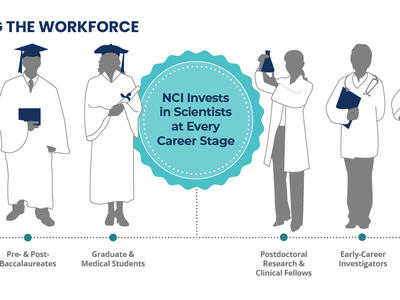
NCI’s Center for Cancer Training (CCT) develops training and career development programs for the next generation of cancer researchers. Here, the new CCT director discusses his goals for CCT and the challenges of training cancer researchers.
-
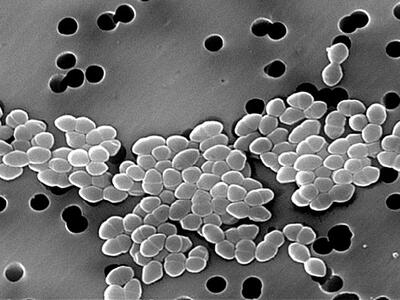
In people with blood cancers, the health of their gut microbiome appears to affect the risk of dying after receiving an allogeneic hematopoietic stem cell transplant, according to an NCI-funded study conducted at four hospitals across the globe.
-
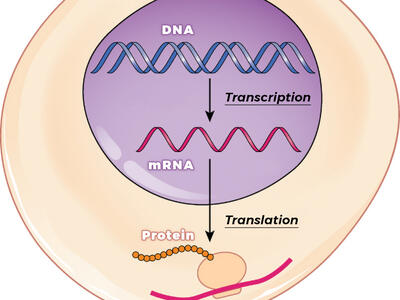
A novel approach to analyzing tumors may bring precision cancer medicine to more patients. A study showed the approach, which analyzes gene expression using tumor RNA, could accurately predict whether patients had responded to treatment with targeted therapy or immunotherapy.
-
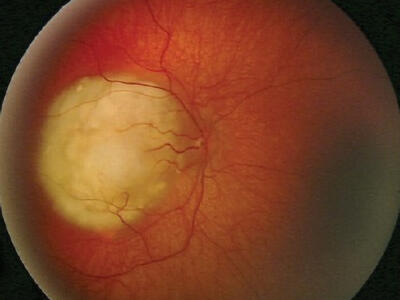
Children with retinoblastoma in low- and middle-income countries were, on average, diagnosed at an older age and with more advanced disease than those in high-income countries, an analysis shows. The data provide clues about global disparities in outcomes.
-
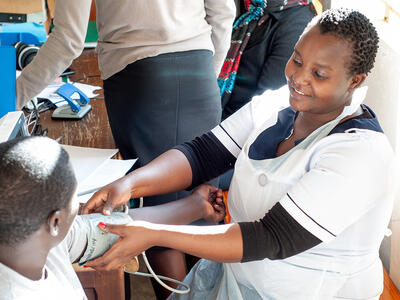
For people with advanced AIDS-related Kaposi sarcoma in sub-Saharan Africa, results from a large clinical trial are expected to change treatment. In the trial, paclitaxel greatly improved outcomes compared with treatments typically used in the region.
-
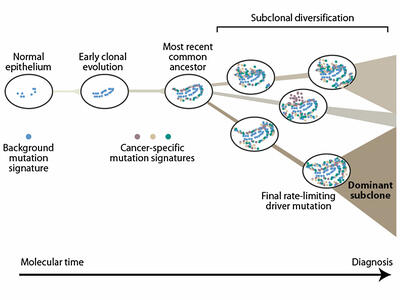
Scientists have mapped the evolution of 38 cancer types, noting common gene and protein alterations that occur early, in the middle of, and late in their development. The hope is that these maps create opportunities to identify cancers much earlier.
-
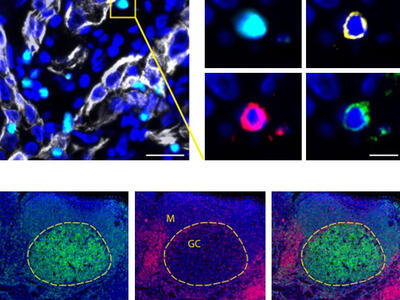
Hundreds of investigators participating in the Cancer Moonshot℠ to accelerate cancer research met recently to provide updates on their progress since the initiative was announced in 2016.
-
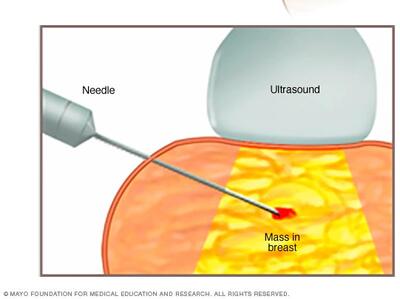
Researchers have developed a “microscaled” approach to analyze the proteins and genetic changes (proteogenomics) of a tumor that uses tissue from a core needle biopsy. The analyses can provide important information that may help guide treatment.
-
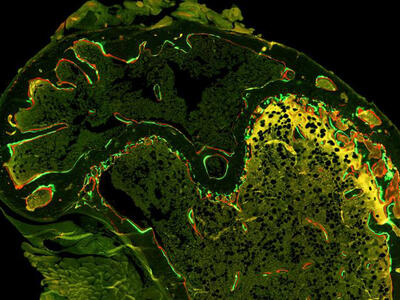
Bone loss associated with chemotherapy appears to be induced by cells that stop dividing but do not die, a recent study in mice suggests. The researchers tested drugs that could block signals from these senescent cells and reverse bone loss in mice.
-
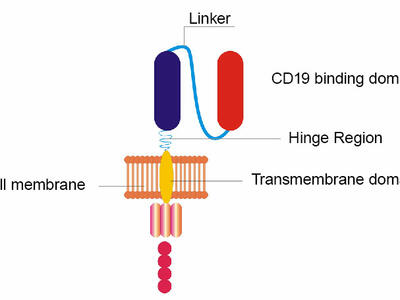
A remodeled CAR T-cell therapy causes fewer neurologic side effects and is equally effective as the original form of the treatment, according to results from the first clinical trial testing the approach in patients with B-cell lymphomas.