
Cancer Currents: An NCI Cancer Research Blog
A blog featuring news and research updates from the National Cancer Institute.

-
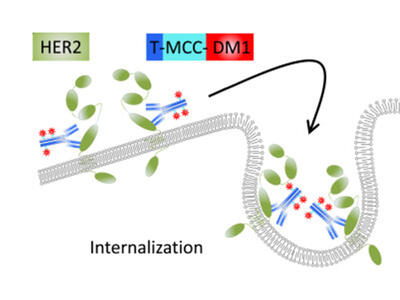
FDA has expanded the approved use of the drug ado-trastuzumab emtansine (Kadcyla), also called T-DM1, to include adjuvant treatment in some women with early-stage HER2-positive breast cancer.
-

New findings from a clinical trial suggest that a single dose of radiation therapy may control painful bone metastases as effectively as multiple lower doses of radiation therapy.
-
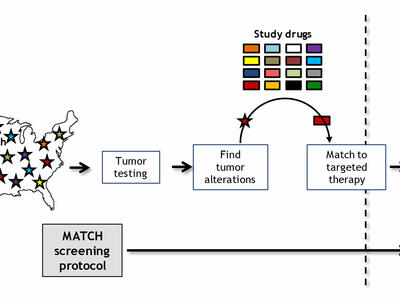
An early report from the NCI–COG Pediatric MATCH trial shows that 24% of young patients with advanced cancer who had their tumors tested for genetic changes were eligible to receive one of the targeted therapies being tested.
-
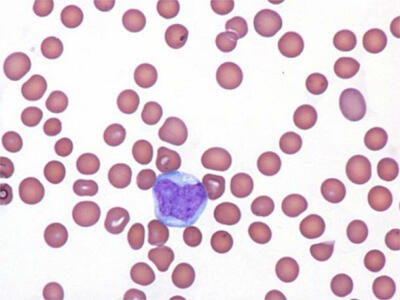
New findings from a clinical trial of the drug tagraxofusp confirm its efficacy against the rare blood cancer blastic plasmacytoid dendritic cell neoplasm (BPDCN).
-

The Prostate Cancer Prevention Trial showed that finasteride can reduce the risk of prostate cancer, but might increase the risk of aggressive disease. NCI’s Howard Parnes talks about subsequent findings and what they mean for men aged 55 and older.
-
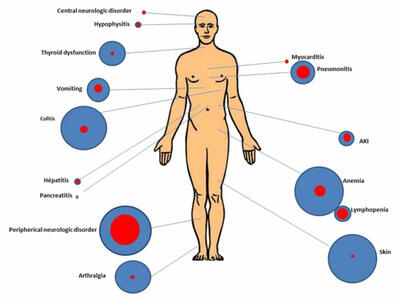
The expanding use of cancer immunotherapy has revealed a variety of side effects associated with this treatment approach. Researchers are now trying to better understand how and why these side effects occur and develop strategies for better managing them.
-
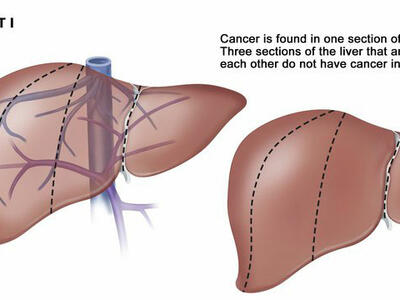
Some children with liver cancer may need less chemotherapy than is typically used, new research suggests. The study included children and infants with hepatoblastoma whose tumors had been surgically removed when the disease was diagnosed.
-
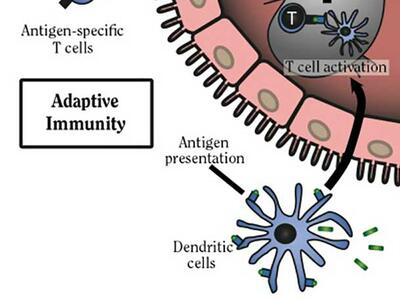
In some people with non-Hodgkin lymphoma (NHL), treating a single tumor with an in situ vaccine can help to shrink, or eliminate, tumors in other parts of the body, findings from a small clinical trial suggest.
-

A physical rehabilitation program delivered by telephone improved function and reduced pain for people with advanced cancer, a clinical trial shows. The program also reduced the time patients spent in hospitals and long-term care facilities.
-
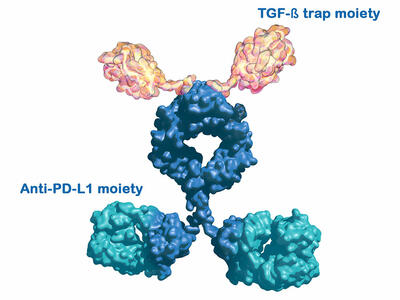
The investigational immunotherapy drug bintrafusp alfa (also called M7824), a bifunctional fusion protein, shrank the tumors of some patients with advanced HPV-related cancers, according to results from a phase 1 clinical trial.