
Cancer Currents: An NCI Cancer Research Blog
A blog featuring news and research updates from the National Cancer Institute.

-
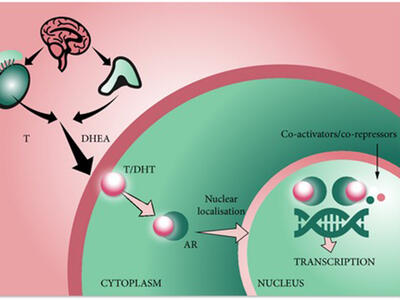
The investigational drug darolutamide can help delay the spread of prostate cancer in some men with the disease, a recent clinical trial shows. In addition, the drug caused fewer side effects than similar prostate cancer drugs.
-
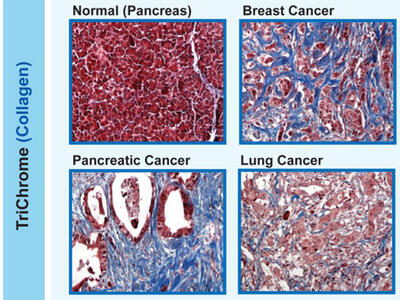
The build-up of connective tissue around some types of cancer can act as a barrier to immunotherapy. A new study uses a bone marrow transplant drug, plerixafor, to break down this barrier and improve the efficacy of immune checkpoint inhibitors in animal models of breast cancer.
-

Researchers in the United Kingdom have found that e-cigarettes combined with counseling may be more helpful to smokers trying to quit tobacco than counseling and nicotine-replacement products, such as patches, gums, and lozenges.
-

NCI is expanding eligibility criteria for its cancer clinical trials in the hope that more patients will join, leading to more rapid advances. The goal is to maximize the number of patients who are eligible to enroll while maintaining their safety.
-

Use of a multipronged approach within hospitals, including community centers, not only eliminated treatment disparities among black and white patients with early-stage lung cancer, it also improved treatment rates for all patients, results from a new study show.
-

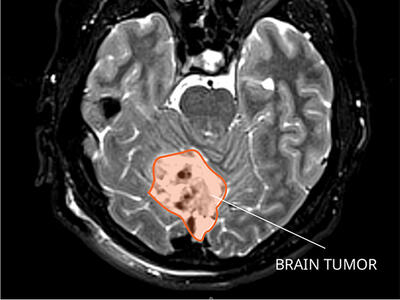
NCI has created special clinics that bring together clinicians, patients, and advocates to promote more rapid progress against rare cancers. The effort includes both rare pediatric cancers and central nervous system tumors in adults.
-

A clinical trial found that an intensive treatment regimen developed specifically for children with acute lymphoblastic leukemia is also effective for older adolescents and young adults with the disease.
-
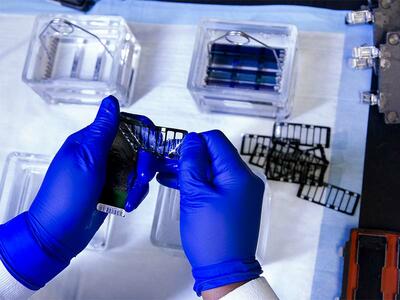
NCI Director Dr. Norman Sharpless describes how NCI’s Small Business Innovation Research and Small Business Technology Transfer Programs act as “engines of innovation” and shares recommendations from a federal working group for strengthening the programs.
-
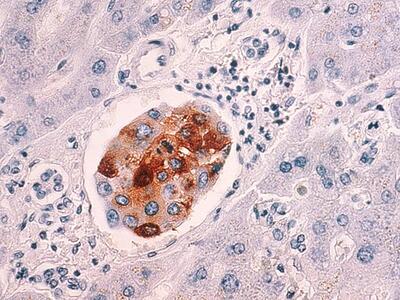
A new study in mice shows that disrupting the relationship between breast cancer cells that spread to bone and normal cells surrounding them makes the cancer cells sensitive to treatment.
-
An experimental CAR T-cell therapy may have potential as a treatment for several types of childhood cancer, results from a new study in mice suggest. The CAR T cells eradicated tumors in mouse models of several different childhood cancers, including two forms of sarcoma and medulloblastoma.