
Cancer Currents: An NCI Cancer Research Blog
A blog featuring news and research updates from the National Cancer Institute.

-
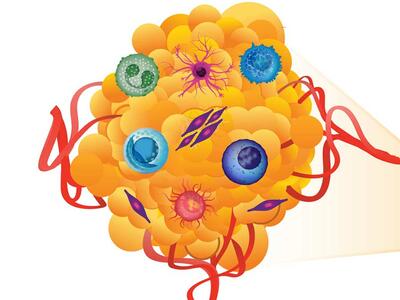
The Human Tumor Atlas Network, an NCI-led collaborative research project, is creating detailed maps of cancers that will be used to learn how cancer develops, spreads, and responds to treatment.
-
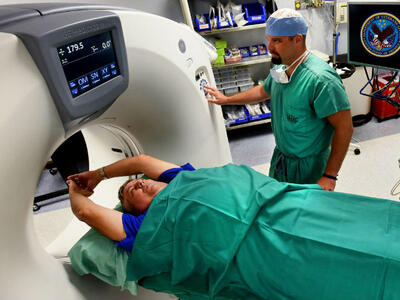
In everyday medical care, there may be more complications from invasive diagnostic procedures performed after lung cancer screening than has been reported in large studies.
-
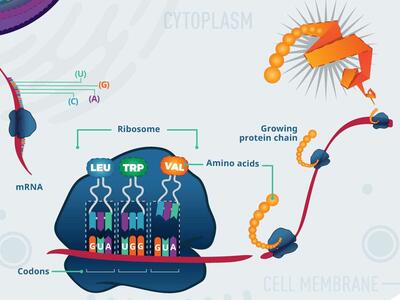
Researchers have found an unconventional way to unleash the immune system against liver cancer in mice. The researchers used an investigational drug to curb the production of a checkpoint inhibitor protein that shields tumors from the immune system.
-
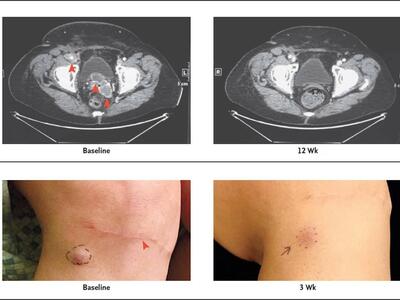
FDA has approved pembrolizumab (Keytruda) to treat people with Merkel cell carcinoma, a rare and deadly form of skin cancer. The approval covers use of the drug to treat locally advanced or metastatic forms of the disease.
-
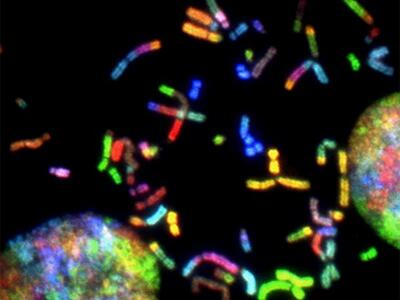
Men and women with glioblastoma appear to respond differently to standard treatment. A new study identifies biological factors that might contribute to this sex difference.
-
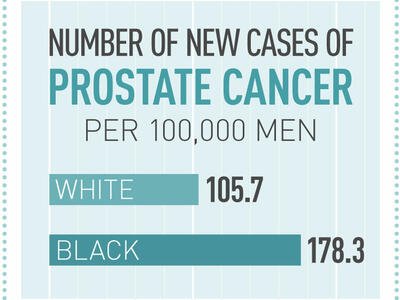
For African American men, the risk of dying from low-grade prostate cancer is double that of men of other races, a new study has found. But, despite the increase, the risk is still small.
-
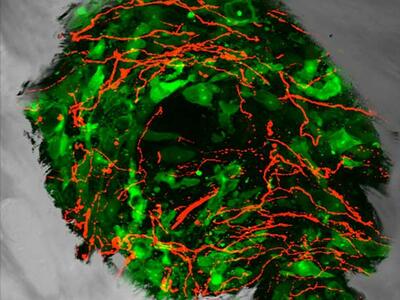
Pain is a common and much-feared symptom among people with cancer and long-term survivors. As more people survive cancer for longer periods, there is a renewed interest in developing new, nonaddictive approaches for managing their chronic pain.
-
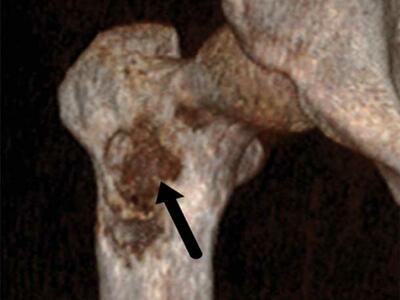
People with advanced alveolar soft part sarcoma (ASPS), a rare cancer, appear to benefit from a type of immunotherapy called an immune checkpoint inhibitor, according to results from a small clinical trial.
-
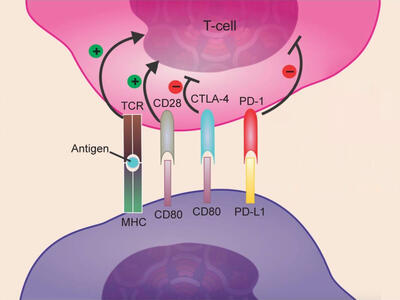
On December 6, 2018, the Food and Drug Administration (FDA) approved atezolizumab (Tecentriq) in combination with a standard three-drug regimen as an initial treatment for advanced lung cancer that does not have EGFR or ALK mutations.
-
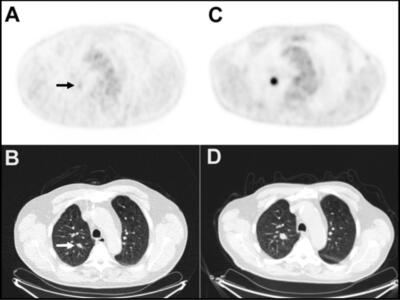
A new study has identified a potential biomarker of early-stage non–small cell lung cancer (NSCLC). The biomarker, the study’s leaders said, could help diagnose precancerous lung growths and early-stage lung cancers noninvasively and distinguish them from noncancerous growths.