
Disparities - Cancer Currents Blog
News and commentaries about cancer-related racial/ethnic and socioeconomic disparities. Includes stories on factors that influence disparities and efforts to address them.
-
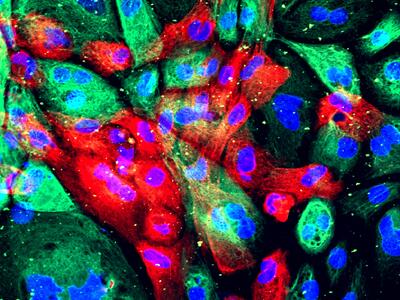
The Decipher genomic test found high-risk prostate cancer even when conventional tests said the tumors were lower risk. This discrepancy appeared to happen more frequently for African-American men.
-

Many hospitals and community health centers are trying to increase cancer screening rates after the COVID pandemic caused them to plummet. The largest effort aims to add a total of 70,000 additional monthly screening tests over a 6-month period.
-

Experts say studies are needed on how to best transition telehealth from a temporary solution during the pandemic to a permanent part of cancer care that’s accessible to all who need it.
-
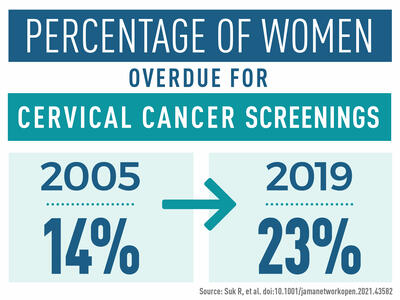
The rates of timely cervical cancer screening fell between 2005 and 2019, researchers found, and disparities existed among groups of women. The most common reason for not receiving timely screening was lack of knowledge about screening or not knowing they needed screening.
-

A program called ACCURE is showing promise toward reducing disparities among Black and White patients with breast and lung cancers. ACCURE involves system-wide changes at cancer centers to overcome structural and cultural barriers in patient care.
-

Most breast cancer risk tools were developed with data mainly from White women and don’t work as well for Black women. A new tool that estimates risk for Black women may help identify those who might benefit from earlier screening, enabling earlier diagnosis and treatment.
-

Combining text messaging with mailing people free at-home FIT kits helped increase screening for colorectal cancer among a predominantly Black population, a new study has found. It’s part of a larger effort to reduce disparities in cancer screening.
-
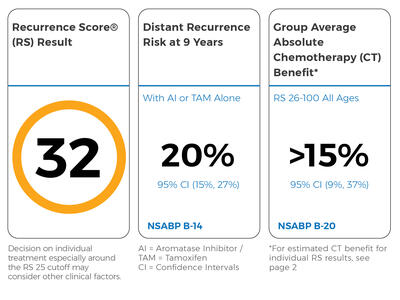
The test, which helps guide treatment decisions, was not as good at predicting the risk of death from breast cancer for Black patients as for White patients, a new study has found. The findings highlight the need for greater racial diversity in research studies.
-
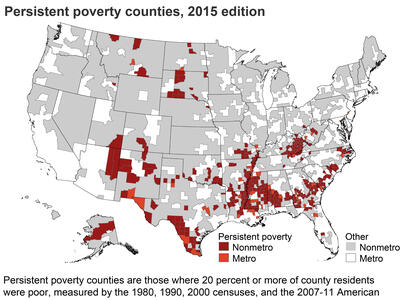
People who live in counties in the United States with persistent poverty are more likely to die from cancer than people in other counties, a new study shows, highlighting the influence of social and structural factors on health.
-
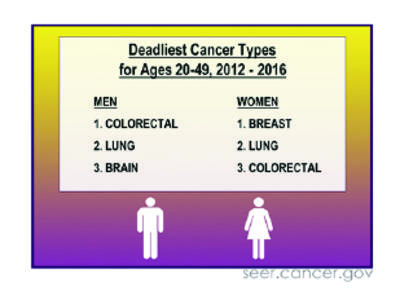
Diagnoses of colorectal cancer continue to increase in younger adults. In September 2020, more than 400 leading scientists and patient advocates participated in an NCI/NIEHS-sponsored symposium to identify research priorities that address important questions about this concerning trend.