
Cancer Currents: An NCI Cancer Research Blog
A blog featuring news and research updates from the National Cancer Institute.

-
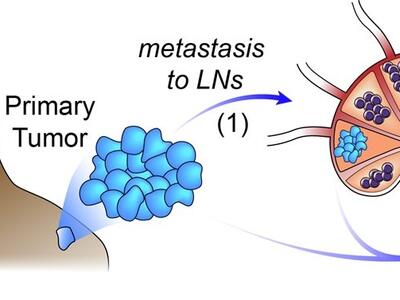
Cancer often spreads to the lymph nodes, but it has never been clear why. A new study in mice suggests lymph node invasion helps the primary tumor spread, or metastasize, to other organs.
-

A pregnant woman with Hodgkin lymphoma was treated successfully with an immunotherapy drug. The report that the treatment was safe and effective is leading researchers to start taking a closer look at new forms of cancer drugs in pregnant people.
-
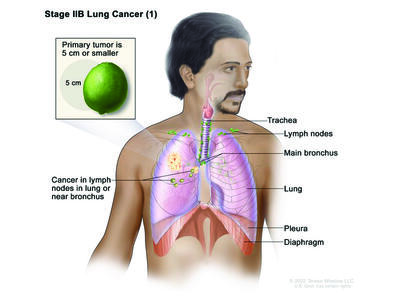
Giving people with early-stage lung cancer the immunotherapy drug nivolumab (Opdivo) and chemotherapy before surgery can substantially delay the progression or return of their cancer, a large clinical trial found.
-

Many hospitals and community health centers are trying to increase cancer screening rates after the COVID pandemic caused them to plummet. The largest effort aims to add a total of 70,000 additional monthly screening tests over a 6-month period.
-

For some people with acute myeloid leukemia (AML) that has a mutation in the IDH1 gene, combining ivosidenib (Tibsovo) with the chemotherapy drug azacitidine may be a new treatment option, according to results from a large clinical trial.
-
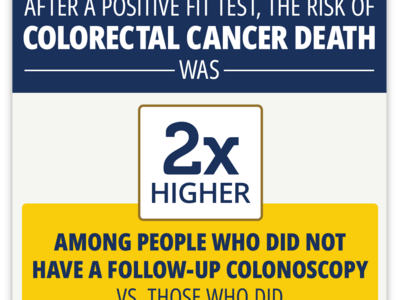
People who had a positive FIT result (signs of blood in the stool) but didn’t get a follow-up colonoscopy were twice as likely to die of colorectal cancer as those who did get a colonoscopy, a new study found.
-

Regular skin cancer screening leads to many diagnoses of very early-stage melanomas, results from a new study suggest. The results add to a debate about whether screening is fueling an overdiagnosis of melanoma in the United States.
-
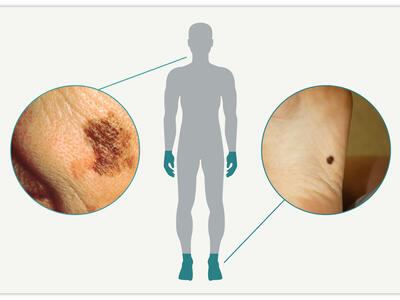
Whether cells with cancer-related genetic changes will develop into tumors may partly depend on their location in the body, a new study finds. The study focused on a rare form of skin cancer, acral melanoma.
-
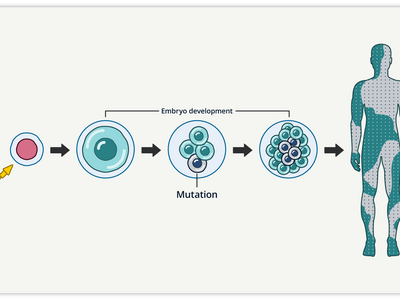
Mutations in cancer-related genes that start in embryos may be more common than once thought, a new study has shown. Finding out if a person has a mosaic mutation is important for their cancer care, according to the study leaders.
-
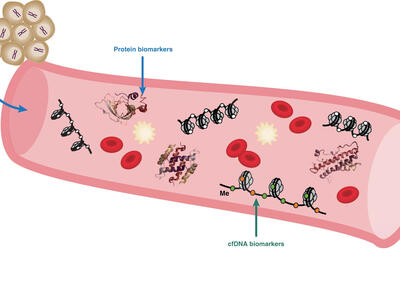
Progress has been made on developing noninvasive tests that may be able to find many cancers early. But, as NCI’s Dr. Phil Castle explains, there’s still much to learn about these multi-cancer early detection tests before they become widely used.