
Cancer Currents: An NCI Cancer Research Blog
A blog featuring news and research updates from the National Cancer Institute.

-

As adults, survivors of childhood cancer aren’t any less likely to have healthy babies than those without a history of cancer, a new study shows. However, they may have more health risks during pregnancy, warranting more intensive obstetric care.
-
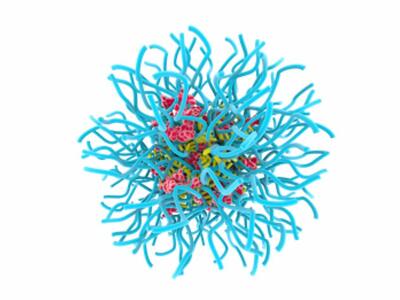
A nanoparticle coating may help cancer drugs reach medulloblastoma tumors in the brain and make the treatment less toxic. Mice treated with nanoparticles containing palbociclib (Ibrance) and sapanisertib lived substantially longer than those treated with either drug alone.
-
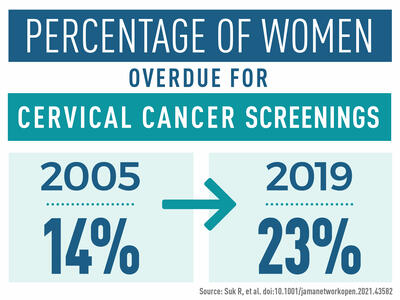
The rates of timely cervical cancer screening fell between 2005 and 2019, researchers found, and disparities existed among groups of women. The most common reason for not receiving timely screening was lack of knowledge about screening or not knowing they needed screening.
-
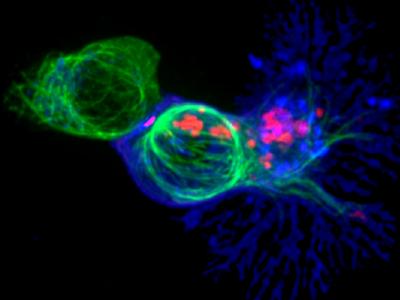
Removing immune cells called naive T cells from donated stem cells before they are transplanted may prevent chronic graft-versus-host disease (GVHD) in people with leukemia, a new study reports. The procedure did not appear to increase the likelihood of patients’ cancer returning.
-
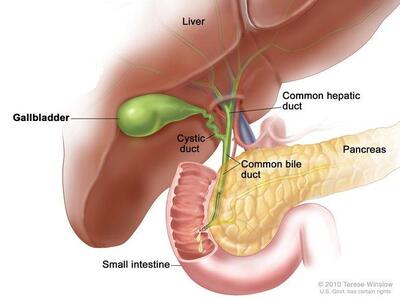
Adding durvalumab (Imfinzi) to standard chemotherapy modestly extended how long people with advanced biliary tract cancer lived, results from the TOPAZ-1 trial show. The immunotherapy drug may now be the standard first-line therapy for this hard-to-treat cancer.
-

With the passage of the Air is Life Act of 2021, the Navajo Nation enacted the most comprehensive ban on commercial tobacco products of any American Indian tribe to date.
-
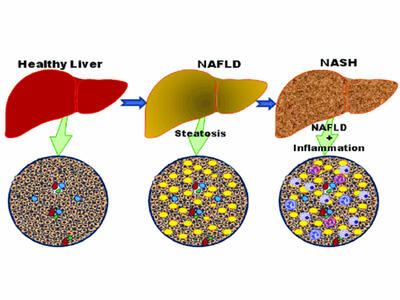
Researchers have found that mice that lack β2-spectrin protein in their livers are protected from nonalcoholic fatty liver disease and the most common kind of liver cancer, hepatocellular carcinoma.
-

Dr. John P. Williams, chair of the President’s Cancer Panel, summarizes the panel’s new report, Closing Gaps in Cancer Screening: Connecting People, Communities, and Systems to Improve Equity and Access.
-
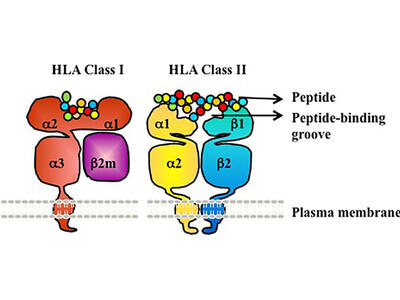
A specific form of the HLA gene, HLA-A*03, may make immune checkpoint inhibitors less effective for some people with cancer, according to an NCI-led study. If additional studies confirm the finding, it could help guide the use of these commonly used drugs.
-

Financial hardship caused by cancer care was common and occurred early in treatment, even for patients with insurance, a recent study found. The investigators believe financial hardship should be addressed like any other complication of cancer care.