
Cancer Currents: An NCI Cancer Research Blog
A blog featuring news and research updates from the National Cancer Institute.

-
With the passage of the Air is Life Act of 2021, the Navajo Nation enacted the most comprehensive ban on commercial tobacco products of any American Indian tribe to date.
-
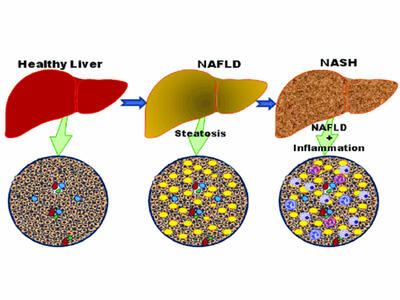
Researchers have found that mice that lack β2-spectrin protein in their livers are protected from nonalcoholic fatty liver disease and the most common kind of liver cancer, hepatocellular carcinoma.
-

Dr. John P. Williams, chair of the President’s Cancer Panel, summarizes the panel’s new report, Closing Gaps in Cancer Screening: Connecting People, Communities, and Systems to Improve Equity and Access.
-
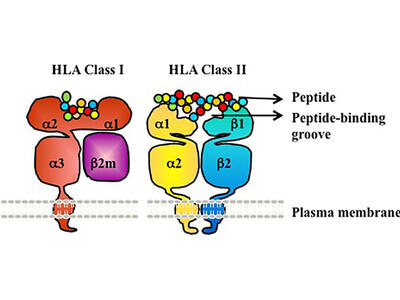
A specific form of the HLA gene, HLA-A*03, may make immune checkpoint inhibitors less effective for some people with cancer, according to an NCI-led study. If additional studies confirm the finding, it could help guide the use of these commonly used drugs.
-

Financial hardship caused by cancer care was common and occurred early in treatment, even for patients with insurance, a recent study found. The investigators believe financial hardship should be addressed like any other complication of cancer care.
-

The success of mRNA vaccines for COVID-19 could help accelerate research on using mRNA vaccine technology to treat cancer, including the development of personalized cancer vaccines.
-
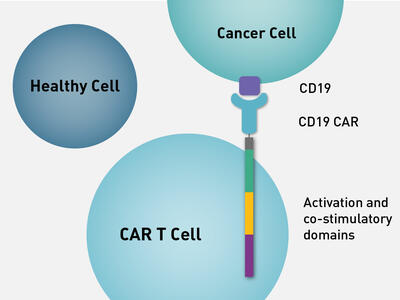
Results from three clinical trials have found that CAR T cells may be superior to standard treatments for patients with B-cell NHL that has not responded to treatment (refractory) or has returned after treatment (relapsed).
-

For patients with recurrent ovarian cancer who meet strict criteria, additional surgery may improve survival, results from a large clinical trial show.
-

Companies that want to market e-cigarettes in the United States must now submit applications to the Food and Drug Administration (FDA). In this interview, Mitch Zeller, director of FDA’s Center for Tobacco Products, provides insights into FDA actions on e-cigarettes.
-

A program called ACCURE is showing promise toward reducing disparities among Black and White patients with breast and lung cancers. ACCURE involves system-wide changes at cancer centers to overcome structural and cultural barriers in patient care.