
Cancer Currents: An NCI Cancer Research Blog
A blog featuring news and research updates from the National Cancer Institute.

-
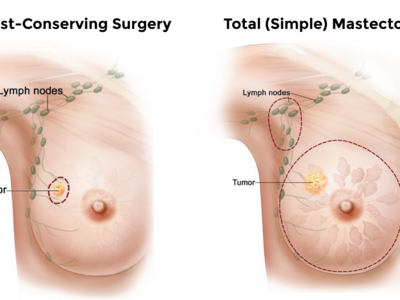
Women with early-stage breast cancer who had one or both breasts surgically removed (a unilateral or bilateral mastectomy) had lower scores on a quality-of-life survey than women who had breast-conserving surgery, a new study has found.
-

Women are far more likely than men to be diagnosed with small thyroid cancers that probably would have never caused problems during their lifetime, a new study finds. The results may help explain why thyroid cancer seems to be more common in women.
-

Aneuploidy—when cells have too many or too few chromosomes—is common in cancer cells, but scientists didn’t know why. Two new studies suggest that aneuploidy helps the cells survive treatments like chemotherapy and targeted therapies.
-
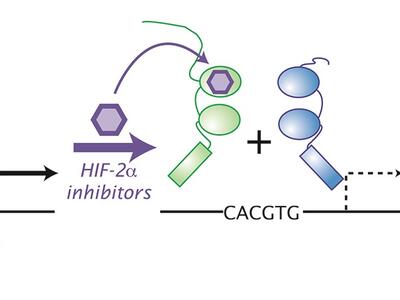
FDA has approved belzutifan (Welireg) to treat adults with von Hippel-Lindau disease (VHL) who have tumors of the kidney, brain, nervous system, or pancreas. The drug may help these patients avoid or delay surgery by shrinking their tumors.
-

NCI Director Dr. Ned Sharpless discusses progress against childhood cancers, like CAR T-cell therapy and collecting more comprehensive data on children and adolescents with cancer, and the need to better address disparities in childhood cancer.
-
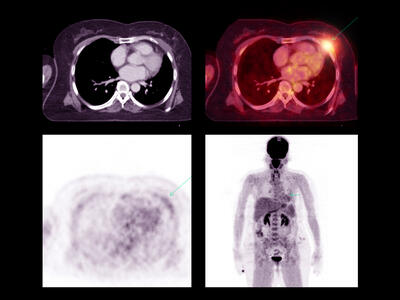
Quitting smoking after a diagnosis of early-stage lung cancer may help people live longer, a new study finds. The study, which included more than 500 patients, also found that quitting smoking delayed the cancer from returning or getting worse.
-
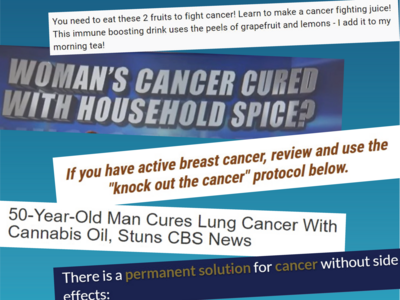
Misinformation about cancer is abundant on social media, including stories that describe miraculous results from treatments that are unproven and potentially harmful. Researchers are studying misinformation and its impact on people with cancer.
-

New research suggests that fungi in the gut may affect how tumors respond to cancer treatments. In mice, when bacteria were eliminated with antibiotics, fungi filled the void and impaired the immune response after radiation therapy, the study found.
-
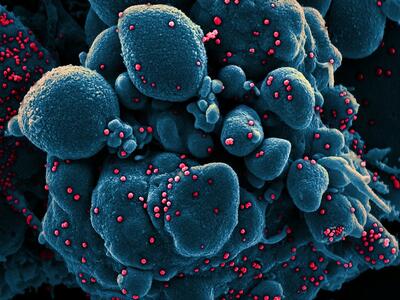
In this Q&A, leaders of NCI’s SeroNet program discuss new research findings on the immune response to the virus that causes COVID-19, new variants of the virus, and the COVID-19 vaccines. They also discuss the effects of the vaccines on people with cancer.
-

For women undergoing chemotherapy for breast cancer, meeting the national physical activity guidelines may help alleviate cognitive issues, a new study suggests. The benefits may be even greater for patients who were physically active before treatment.