
Cancer Currents: An NCI Cancer Research Blog
A blog featuring news and research updates from the National Cancer Institute.

-

Researchers have developed synthetic antibodies, called diabodies, that block the activity of two of the most notorious cancer-related proteins, RAS and p53. In experiments in mice, the synthetic antibodies shrank tumors with these mutated proteins.
-
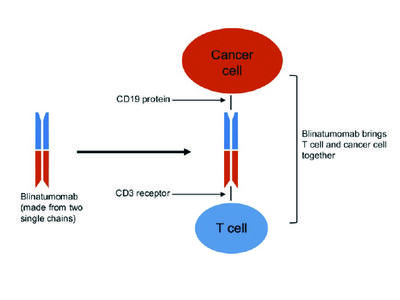
The results of two trials establish blinatumomab (Blincyto) as a new standard treatment for children and young adults with high-risk relapsed B-cell acute lymphoblastic leukemia after remission has been achieved and before a stem cell transplant.
-
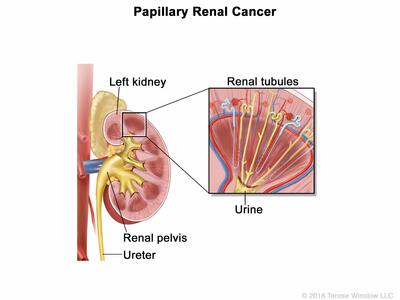
Cabozantinib (Cabometyx) is an effective initial treatment for people with metastatic papillary renal cell carcinoma (PRCC), a rare type of kidney cancer. A clinical trial showed the drug was more effective than the current standard treatment.
-

Combining text messaging with mailing people free at-home FIT kits helped increase screening for colorectal cancer among a predominantly Black population, a new study has found. It’s part of a larger effort to reduce disparities in cancer screening.
-
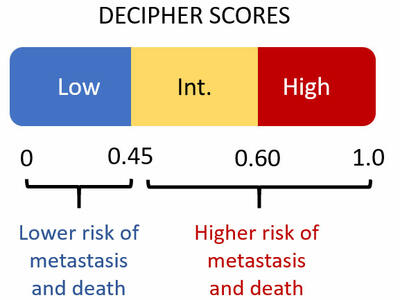
For some men with prostate cancer, a genetic biomarker test called Decipher may help predict if their cancer will spread elsewhere in the body. The test could help determine whether hormone therapy, which can cause distressing side effects, is needed.
-

Following the death of Dr. Emil Freireich in February, NCI Director Norman E. Sharpless reflects on the accomplishments and legacies of Dr. Freireich and several other cancer research luminaries who have passed in recent years.
-
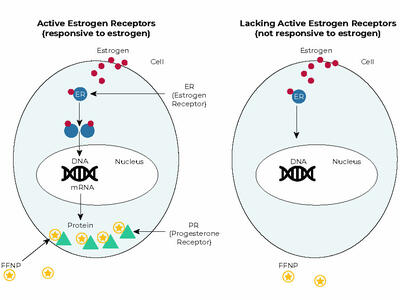
For some people with ER-positive breast cancer, a new imaging test may help guide decisions about receiving hormone therapy, according to a new study. The test can show whether estrogen receptors in tumors are active and responsive to estrogen.
-

After a steep drop in screening for common cancers early in the COVID-19 pandemic, researchers are now exploring ways to improve cancer screening during the current crisis and beyond.
-
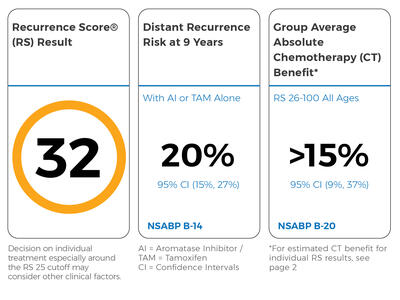
The test, which helps guide treatment decisions, was not as good at predicting the risk of death from breast cancer for Black patients as for White patients, a new study has found. The findings highlight the need for greater racial diversity in research studies.
-

Cancer-related suicides dipped each year between 1999 and 2018 in the United States, a recent study has found. Yet, people who have had cancer remain at high risk for suicide and improvements in supportive care are needed, experts say.