
Cancer Currents: An NCI Cancer Research Blog
A blog featuring news and research updates from the National Cancer Institute.

-

Since the COVID-19 pandemic began, cancer researchers have brought their expertise to coronavirus studies. Their findings have ranged from insights into how the SARS-CoV-2 virus enters cells to the identification of potential COVID-19 therapies.
-

The week after the globe recognized World Cancer Day and NCI staff were honored with a virtual visit from First Lady Dr. Jill Biden, the NCI director kicks off the commemoration of the 50th anniversary of the National Cancer Act of 1971.
-

A large study from an international group of researchers provides reassurance that cancer models, known as PDX mice, largely retain the genetics of the human tumors from which they were created. PDX mice are increasingly used in cancer research.
-
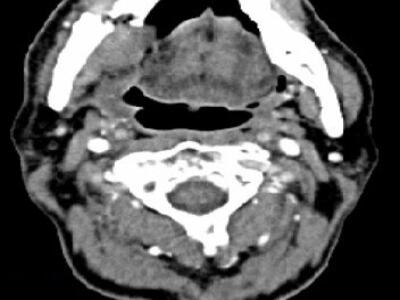
A recent study quantified the risk of osteonecrosis of the jaw for patients who take zoledronic acid to manage complications from cancer that has spread to the bone. The study also examined risk factors for osteonecrosis of the jaw in these patients.
-
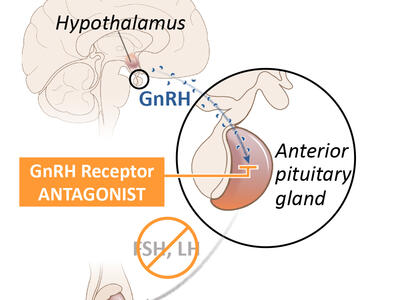
FDA’s recent approval of relugolix (Orgovyx) is expected to affect the treatment of men with advanced prostate cancer. A large clinical trial showed that relugolix was more effective at reducing testosterone levels than another common treatment.
-
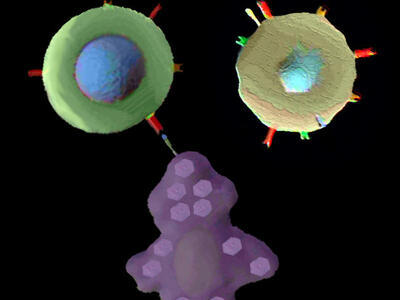
Obesity changed the relationship between cancer cells and nearby immune cells in ways that helped tumors survive and grow, a study in mice showed. But altering tumor cell metabolism helped immune cells once again recognize and infiltrate tumors.
-
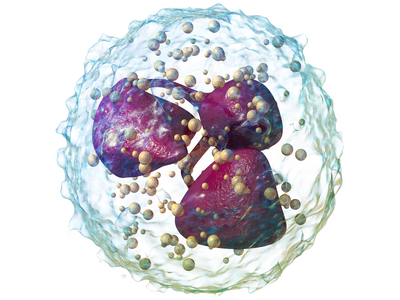
Cancer cells that are leftover after treatment can go into a “dormant” state for years. A new study in mice suggests that stress hormones may trigger a chain reaction that wakes up dormant cancer cells, causing tumors to form again.
-
With the Cancer Moonshot having reached its midway point, NCI Director Dr. Ned Sharpless and Deputy Director Dr. Dinah Singer provide a report on the progress to date and future directions for this ambitious initiative to accelerate progress against cancer.
-
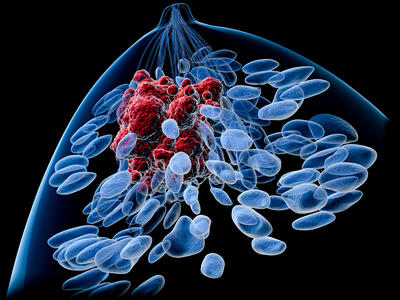
The drug abemaciclib (Verzenio) may be a new treatment option for people with the most common type of breast cancer, with new study findings suggesting that it can reduce the risk of the cancer returning.
-
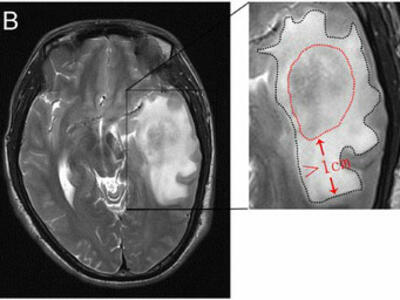
In people with glioblastoma and other brain cancers, steroids appear to limit the effectiveness of immunotherapy drugs, a new study shows. The findings should influence how steroids are used to manage brain tumor symptoms, researchers said.