
Cancer Currents: An NCI Cancer Research Blog
A blog featuring news and research updates from the National Cancer Institute.

-

The age at which people tend to start smoking has shifted upwards, with more young adults than teens trying smoking for the first time or becoming regular smokers, according to a new study.
-
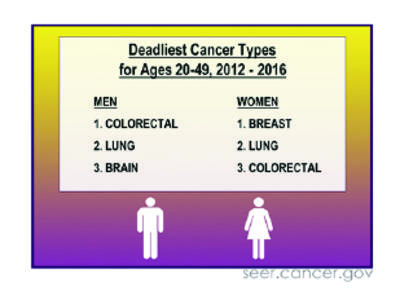
Diagnoses of colorectal cancer continue to increase in younger adults. In September 2020, more than 400 leading scientists and patient advocates participated in an NCI/NIEHS-sponsored symposium to identify research priorities that address important questions about this concerning trend.
-
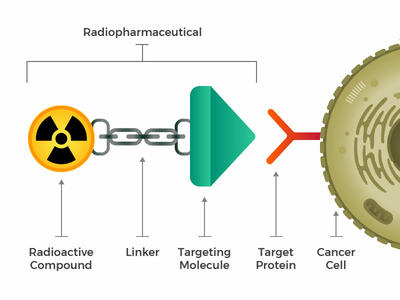
Researchers are developing a new class of cancer drugs called radiopharmaceuticals, which deliver radiation therapy directly and specifically to cancer cells. This Cancer Currents story explores the research on these emerging therapies.
-
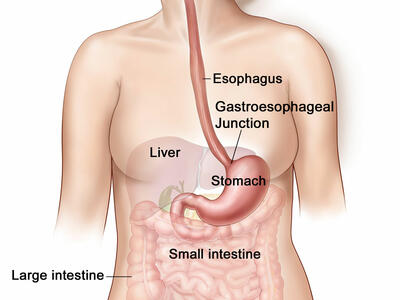
For some people with advanced stomach cancer, the drug nivolumab (Opdivo) plus chemotherapy may improve how long they live, results from a large clinical trial show. The trial also included patients with gastric cancers that involve the esophagus.
-
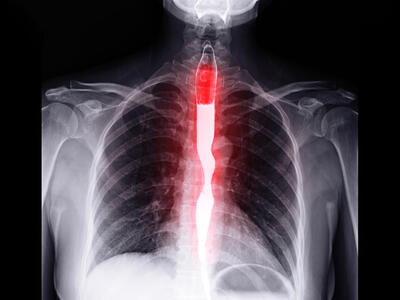
For some people with advanced esophageal cancer, the immunotherapy drugs pembrolizumab (Keytruda) and nivolumab (Opdivo) may become part of early treatment for the disease, according to results from two large clinical trials.
-
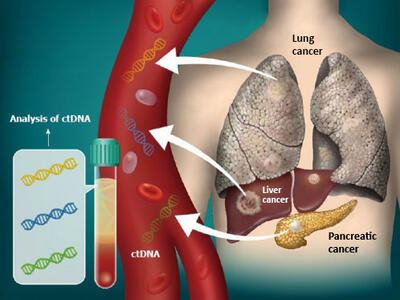
FDA has recently approved two blood tests, known as liquid biopsies, that gather genetic information to help inform treatment decisions for people with cancer. This Cancer Currents story explores how the tests are used and who can get the tests.
-

Widespread HPV vaccine use dramatically reduces the number of women who will develop cervical cancer, according to a study of nearly 1.7 million women. Among girls vaccinated before age 17, the vaccine reduced cervical cancer incidence by 90%.
-
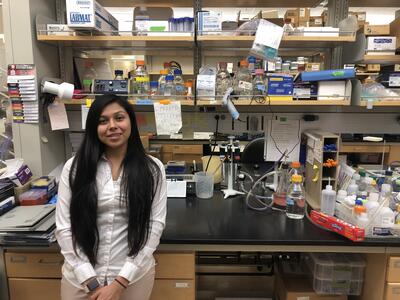
Drs. Ned Sharpless and Sanya Springfield highlight NCI’s YES program, which is encouraging young students from underrepresented populations to become interested and engaged in cancer research.
-
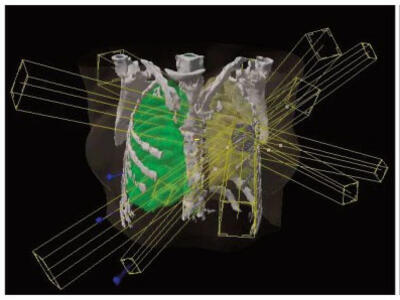
People with oligometastatic cancer have only a few metastatic tumors. Researchers are studying whether treating these individual tumors directly with surgery or stereotactic body radiation therapy (SBTR or SABR) can help patients live longer or improve their quality of life.
-
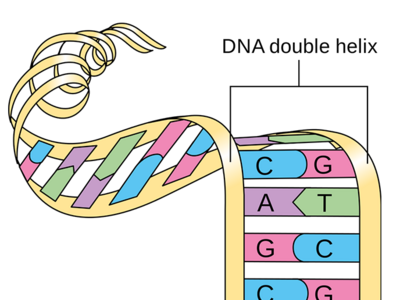
Cancer cells with a genetic feature called microsatellite instability-high (MSI-high) depend on the enzyme WRN to survive. A new NCI study explains why and reinforces the idea of targeting WRN as a treatment approach for MSI-high cancer.