
Cancer Currents: An NCI Cancer Research Blog
A blog featuring news and research updates from the National Cancer Institute.

-
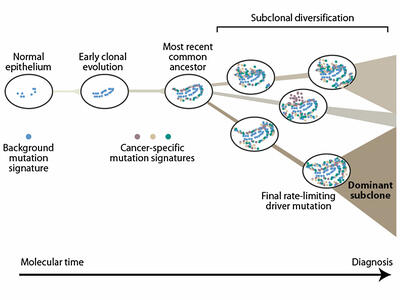
Scientists have mapped the evolution of 38 cancer types, noting common gene and protein alterations that occur early, in the middle of, and late in their development. The hope is that these maps create opportunities to identify cancers much earlier.
-
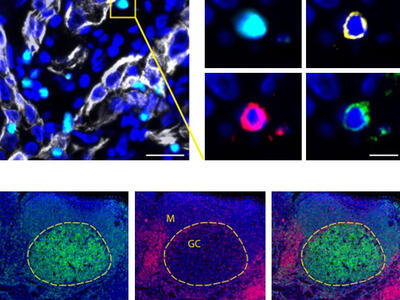
Hundreds of investigators participating in the Cancer Moonshot℠ to accelerate cancer research met recently to provide updates on their progress since the initiative was announced in 2016.
-
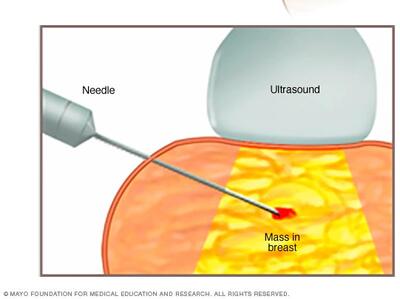
Researchers have developed a “microscaled” approach to analyze the proteins and genetic changes (proteogenomics) of a tumor that uses tissue from a core needle biopsy. The analyses can provide important information that may help guide treatment.
-
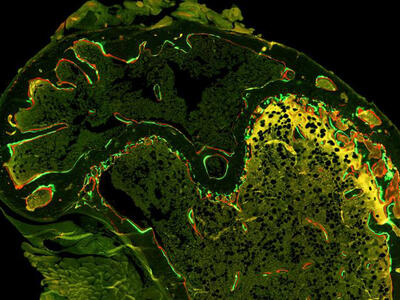
Bone loss associated with chemotherapy appears to be induced by cells that stop dividing but do not die, a recent study in mice suggests. The researchers tested drugs that could block signals from these senescent cells and reverse bone loss in mice.
-
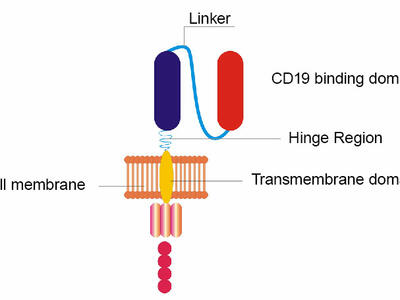
A remodeled CAR T-cell therapy causes fewer neurologic side effects and is equally effective as the original form of the treatment, according to results from the first clinical trial testing the approach in patients with B-cell lymphomas.
-

In the Veterans Affairs health care system—where all patients have equal access to care—African American men did not appear to have more-aggressive prostate cancer when diagnosed or a higher death rate from the disease than non-Hispanic white men.
-
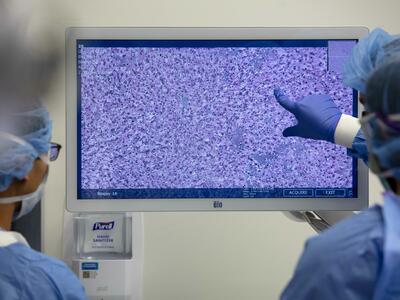
A method that combines artificial intelligence with an advanced imaging technology can accurately diagnose brain tumors in fewer than 3 minutes during surgery, a new study shows. The approach can also accurately distinguish tumor from healthy tissue.
-
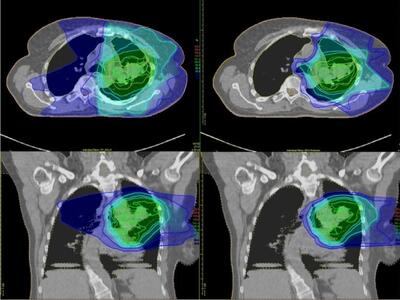
Some experts believe that proton therapy is safer than traditional radiation, but research has been limited. A new observational study compared the safety and effectiveness of proton therapy and traditional radiation in adults with advanced cancer.
-
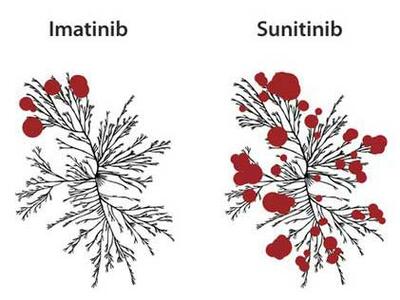
Avapritinib (Ayvakit) has been approved for adults with gastrointestinal stromal tumors (GIST) whose tumors have an alteration in a portion of the PDGFRA gene called exon 18. The approval applies to those whose tumors cannot be removed with surgery or have spread.
-
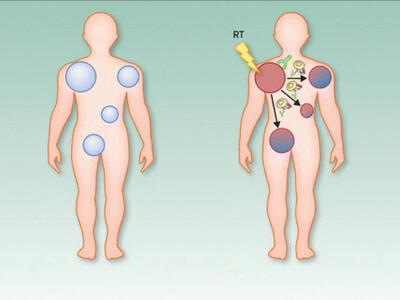
In people with cancer, the abscopal effect occurs when radiation—or another type of localized therapy—shrinks a targeted tumor but also causes untreated tumors in the body to shrink. Researchers are trying to better understand this phenomenon and take advantage of it to improve cancer therapy.