
Cancer Currents: An NCI Cancer Research Blog
A blog featuring news and research updates from the National Cancer Institute.

-
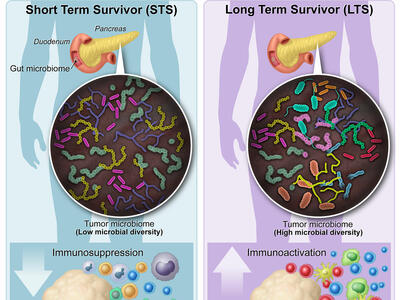
In people with pancreatic cancer, the makeup of bacteria that populate their tumors could predict how long they live, results from a new study suggest. Experiments in mice suggested that altering the tumor microbiome could play a role in treatment.
-

In a survey of nearly 600 breast cancer survivors, researchers found that the cost of care factored into the decisions the women made about what type of surgery to get. Many women also reported never discussing costs with their physicians.
-

NCI Acting Director Douglas Lowy, M.D., discusses the institute’s Annual Plan & Budget Proposal for Fiscal Year 2021, which includes the institute’s professional judgement on the funding required to make the most rapid progress against cancer.
-

A new NCI-supported study showed that altering cancer cell metabolism by feeding mice a diet very low in the nutrient methionine improved the ability of chemotherapy and radiation therapy to shrink tumors.
-
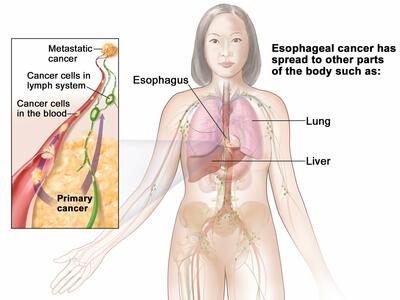
FDA has approved the immunotherapy drug pembrolizumab (Keytruda) to treat some patients with advanced esophageal cancer. Patients must have certain levels of the protein PD-L1 on their tumors, as determined by an FDA-approved test.
-
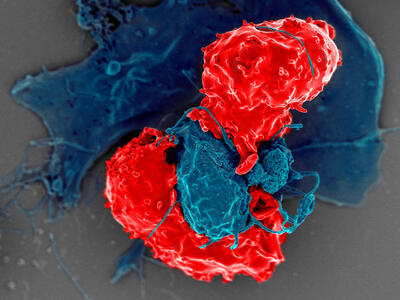
An NCI-funded clinical trial is testing the immunotherapy drug nivolumab (Opdivo) in people who have advanced cancer and an autoimmune disease, such as rheumatoid arthritis, lupus, or multiple sclerosis, who are often excluded from such trials.
-
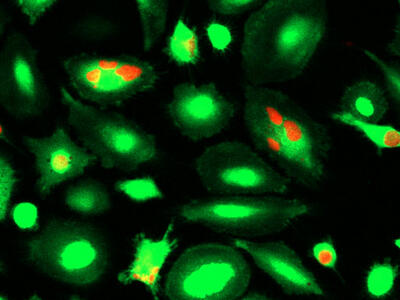
Researchers have identified a protein called CD24 that may be a new target for cancer immunotherapy. The protein is a ‘don’t eat me’ signal that prevents immune cells called macrophages from engulfing and eating cells.
-

To prepare for the proposed Childhood Cancer Data Initiative, NCI sponsored a 3-day symposium that brought together pediatric cancer researchers, advocates, and other stakeholders.
-

A person’s risk of progressing from a benign condition called monoclonal gammopathy of undetermined significance (MGUS) to the blood cancer multiple myeloma can change over time, according to a new study.
-
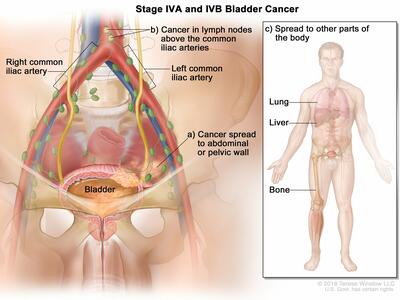
New clinical trial findings confirm that the targeted therapy erdafitinib (Balversa) can benefit patients with advanced bladder cancer whose tumors have a genetic alteration in one of the four FGFR genes.