
Cancer Currents: An NCI Cancer Research Blog
A blog featuring news and research updates from the National Cancer Institute.

-

In the largest-ever randomized trial testing vitamin D for cancer prevention, the supplement did not lower the risk of developing cancer. The Vitamin D and Omega-3 Trial (VITAL) includes a nationally representative sample of nearly 26,000 participants.
-
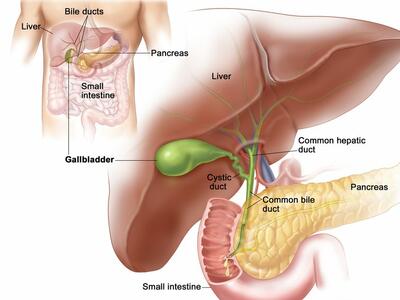
In an early-phase trial, dabrafenib plus trametinib shrank tumors in patients with biliary tract cancer and adenocarcinoma of the small intestine whose tumors had a specific mutation in the BRAF gene.
-

Researchers are testing a topical-gel form of the drug tamoxifen to see if it can help prevent breast cancer as effectively as the oral form of the drug but with fewer side effects.
-
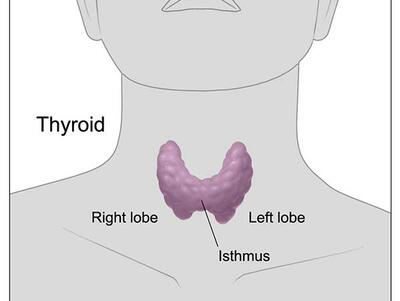
The test measures genomic changes in thyroid biopsy samples and generates a score based on how strongly each change is associated with thyroid cancer. A study showed the test accurately identified samples that, after surgery, were found to be benign.
-
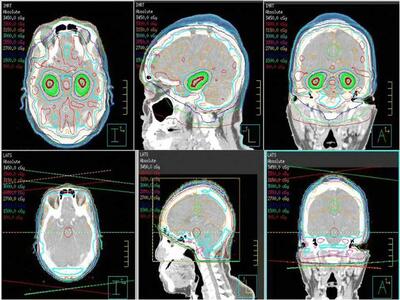
Results from a clinical trial suggest that, in patients with brain metastases, an advanced radiotherapy technique limits harm to patients’ cognitive function without affecting the treatment’s effect on tumors.
-
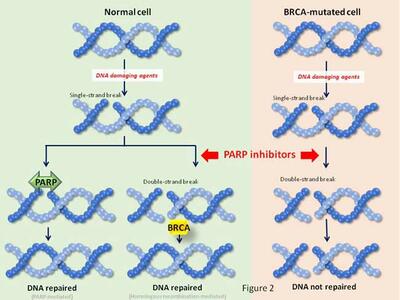
In a recent trial, the PARP inhibitor olaparib substantially delayed ovarian cancer from coming back after the first line of chemotherapy. Could the findings change the standard of care for newly diagnosed ovarian cancer with a BRCA mutation?
-

Dr. Dinah Singer, co-chair of the Cancer Moonshot Blue Ribbon Panel, provides an update to the cancer community on the science being supported under the Moonshot initiative.
-
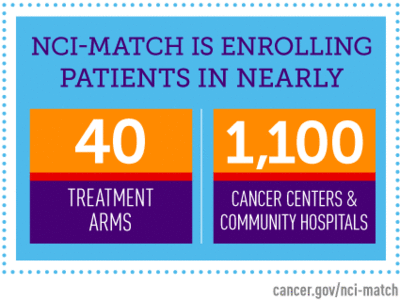
NCI’s Dr. Lyndsay Harris provides an update on the NCI-MATCH trial, including the opening of new trial treatment arms and the addition of new laboratories to perform testing on tumor samples of prospective trial participants.
-

Findings from a clinical study and a mouse study may shed light on genetic risk factors for developing cancer-related cognitive problems in older breast cancer survivors. The results suggest a gene associated with Alzheimer’s disease may play a role.
-

Eight factors may explain more than 80% of the relationship between poverty and disparities in cancer death rates at the county level, according to a new study. The largest mediator was a surprise to the researchers.