
Cancer Currents: An NCI Cancer Research Blog
A blog featuring news and research updates from the National Cancer Institute.

-

With the increasing reliance on advanced technologies and the rise of big data in cancer research, NCI launched the R50 Research Specialist Award to help sustain a stable workforce of experienced scientists who can take fullest advantage of these tools and resources.
-
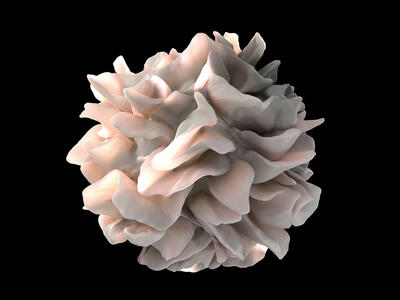
In a small trial involving patients with slow-growing B-cell lymphoma, injecting the compound SD-101 directly into tumors (in situ vaccination) and giving low-dose radiation shrank the injected tumors and, frequently, tumors elsewhere in the body.
-

NCI has released its Fiscal Year 2020 Annual Plan and Budget Proposal. The plan represents NCI’s best professional judgement on the optimum funding needed to make the most rapid progress against cancer.
-

Certain cancer treatments can damage the heart and the cardiovascular system, a problem known as cardiotoxicity. Cardiologists and oncologists met recently to discuss strategies and future research directions for addressing these side effects.
-
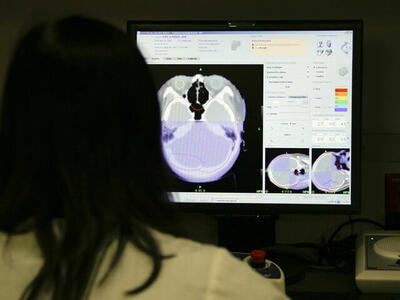
Results from a clinical trial show that the combination of nivolumab (Opdivo) and ipilimumab (Yervoy) halted the growth of or shrank metastatic brain tumors in more than half of participants with melanoma that had spread to the brain.
-
NCI Director Dr. Norman Sharpless discusses efforts between NCI and FDA to advance progress against cancer, including initiatives to improve labeling of patient tumor and tissue samples and to address challenges presented by new tobacco products.
-
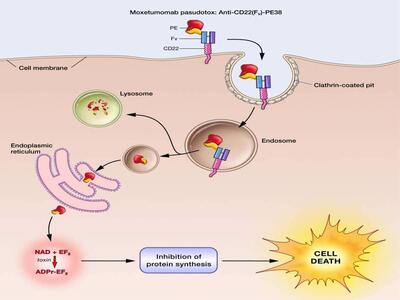
The FDA has approved moxetumomab pasudotox (Lumoxiti), a bacterial toxin–based drug, for the treatment of some patients with hairy cell leukemia (HCL). Moxetumomab is approved to treat patients with HCL who have already undergone at least two lines of standard treatments.
-
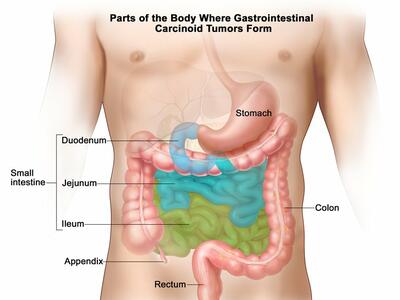
The largest-ever study of DNA changes in appendix cancer shows that it is distinct from colorectal and other gastrointestinal cancers and suggests that specific mutations in appendix tumors may help predict whether they may be aggressive.
-

Dr. Supriya Mohile discusses the unique issues experienced by older adults with cancer and efforts to incorporate geriatric assessment into patient care, including the publication of recent ASCO clinical guidelines on geriatric cancer care.
-
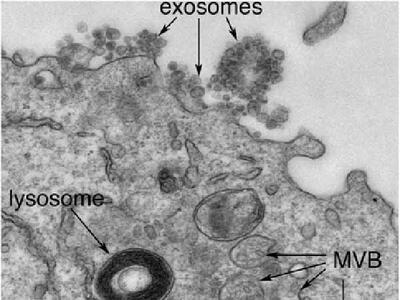
A new study has identified what may be an important and previously unknown route by which tumors evade the immune system: They secrete small membrane-encased sacs, called exosomes, studded with a protein that dials down the immune response.