
Cancer Currents: An NCI Cancer Research Blog
A blog featuring news and research updates from the National Cancer Institute.

-

Assessing and offering people with cancer stepped collaborative care may help better manage symptoms of depression, pain, and fatigue than the standard referral to providers for treatment, according to a recent study.
-
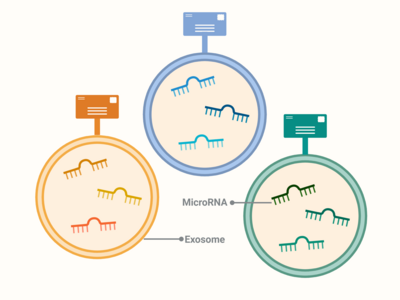
In a new study involving nearly 1,000 people, a liquid biopsy accurately detected early- and late-stage pancreatic cancer. When paired with a test for the protein CA19-9, the combination accurately identified 97% of people with early-stage disease.
-
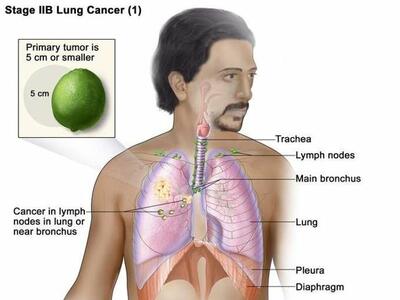
FDA has approved alectinib (Alecensa) as adjuvant therapy for people with lung cancer who have ALK-positive tumors. In a clinical trial, alectinib helped people live longer after surgery without their cancer returning than chemotherapy.
-

Trastuzumab deruxtecan (Enhertu) can now be used to treat any advanced solid cancer that produces high levels of the protein HER2 (HER2-positive tumors). FDA’s accelerated approval was based on findings from three clinical trials.
-

Gwendolyn Quinn, Ph.D., a health psychologist at NYU Langone Health Perlmutter Cancer Center, discusses the challenges faced by sexual and gender minority people being treated for cancer and ways to address them.
-

LGBTQ+ people, also known as sexual and gender minorities (SGM), with cancer may face challenges that non-SGM people do not face. The breadth and depth of these disparities aren't well known, but there’s growing research on the challenges this diverse group faces.
-
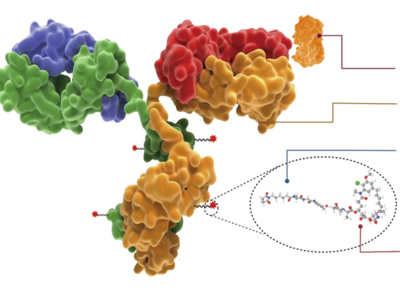
FDA approved mirvetuximab soravtansine-gynx (Elahere) to treat people with advanced, platinum-resistant ovarian cancer whose tumors overproduce a protein called FR-α. The full approval was based on the results of a large, randomized trial called MIRASOL, which showed Elahere improved survival for these people.
-
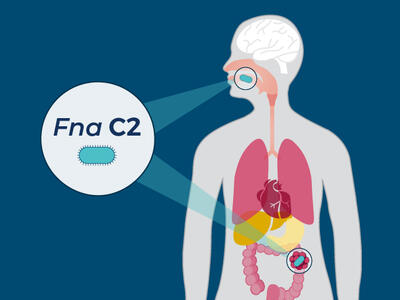
NCI-funded researchers have pinpointed a single type of the bacterium F. nucleatum that appears to fuel the development and growth of colorectal cancer. In mice, the bacterium, Fna C2, appeared to cause more adenomas to form in the large intestine and it was often found in human tumor samples.
-
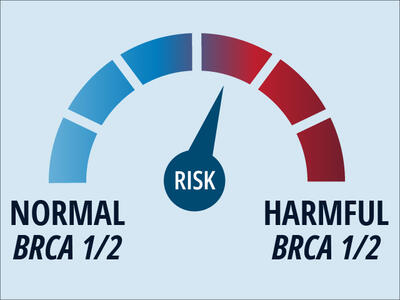
For women with inherited changes in the BRCA1 or BRCA2 genes, regular MRI scans and undergoing a surgery called a salpingo-oophorectomy appear to lower their chances of dying from breast and ovarian cancer, according to results from two studies.
-
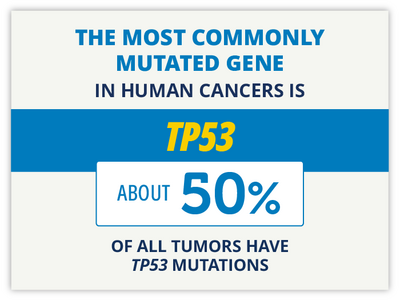
Although TP53 mutations help drive the growth of most cancers, there are no FDA-approved therapies that target altered p53 proteins. Now a drug combination has shown promise in mice and is being tested in a clinical trial.