
Cancer Currents: An NCI Cancer Research Blog
A blog featuring news and research updates from the National Cancer Institute.

-

For some people with early-stage cervical cancer, a surgical procedure called a simple hysterectomy may be a safe and effective alternative to treatment with a radical hysterectomy, results from the SHAPE trial show.
-

Eliminating disparities will require the efforts of people from across a broad spectrum of scientific research, according to leading experts, and must include working in concert with people and organizations in the community.
-

Adding a fusion of parts of two genes helped engineered T cells divide faster, kill more tumor cells, and survive longer in mice without making the T cells behave like cancer cells.
-

In a clinical trial, an injectable form of nivolumab (Opdivo) was as effective against kidney cancer as the intravenous form of the drug. Side effects were also similar and treatment time was shorter. Injectable immunotherapies, several experts said, if found to be comparable to IV forms, can be more convenient to receive and accessible to more people.
-

In an event more than three decades in the making, FDA has approved lifileucel (Amtagvi), the first cancer treatment that uses immune cells called tumor-infiltrating lymphocytes, or TILs.
-
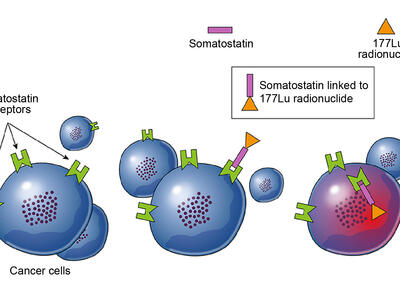
Adding Lu 177-dotate to the initial treatment of certain advanced neuroendocrine tumors nearly tripling the length of time people survive without their tumors getting worse, according to new clinical trial results.
-
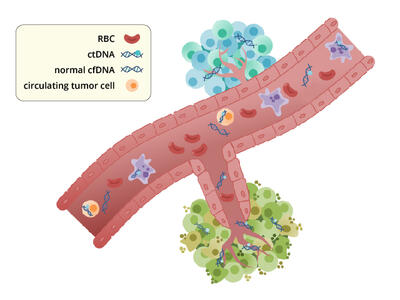
Results from a new study suggest that the presence of circulating tumor DNA (ctDNA) in blood samples can predict which patients with colorectal cancer should and shouldn’t get chemotherapy after surgery to remove their tumors.
-
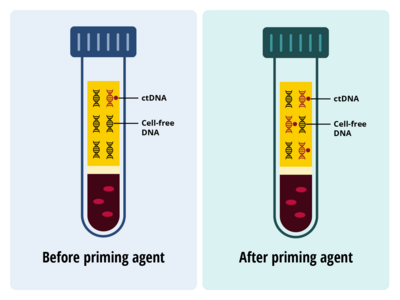
Using two different techniques, researchers showed they could temporarily boost ctDNA levels in the blood of mice with tumors. With more ctDNA in collected blood draws, a liquid biopsy could better detect cancer, the research team found.
-

The results of the clinical trial that led to FDA’s 2023 approval of repotrectinib (Augtyro) for lung cancers with ROS1 fusions have been published. The drug shrank tumors in 80% of people receiving the drug as an initial treatment.
-
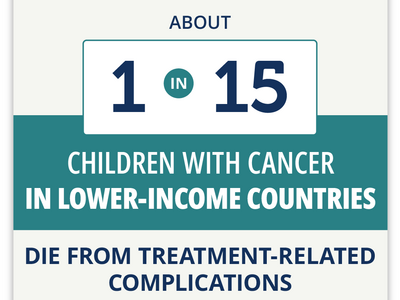
A system for catching treatment-related complications in children with cancer has proven to be highly effective in many Latin American hospitals. An NCI-funded study aims to help make these early warning systems sustainable.