
2016 - Cancer Currents Blog
-
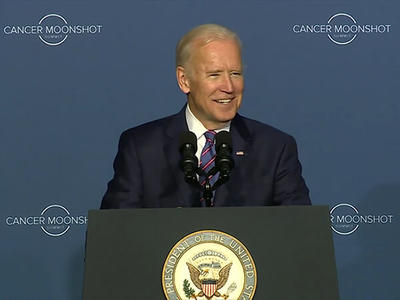
A recap of the Cancer Moonshot national summit hosted by Vice President Joe Biden in Washington, D.C., on June 29, 2016, including a summary of the NCI-related activities that have been stimulated by the Cancer Moonshot.
-

Many patients with advanced, incurable cancer have a poor understanding of their prognosis or life expectancy, a new study shows. Patients who discussed their prognosis with their doctors were more likely to understand the serious nature of their illness.
-

An update on the activities of the National Cancer Moonshot Initiative’s Blue Ribbon Panel and its work to develop a final report for research ideas to be pursued under this initiative.
-

Results from a recent clinical trial showed that extending adjuvant therapy with an aromatase inhibitor to 10 years after initial treatment can have important benefits for postmenopausal women with early-stage hormone receptor–positive breast cancer.
-

Encouraging findings from several early-stage clinical trials featured at the 2016 American Society of Clinical Oncology annual meeting support the promise of precision medicine and immunotherapy.
-
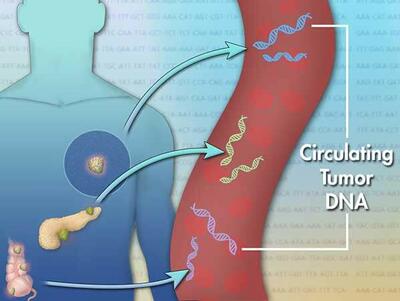
The largest study of its kind to date has shown that a test that assesses DNA mutations and other changes in genetic material shed from tumors into the blood—a liquid biopsy—produced results highly similar to those of traditional tumor biopsies.
-

Results from two clinical trials show that treating patients with the chemotherapy drug temozolomide in addition to radiation therapy increased overall and progression-free survival.
-
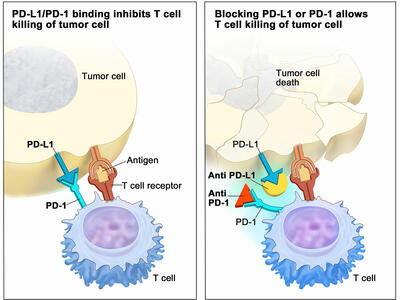
The FDA has approved atezolizumab (Tecentriq®) for the treatment of some patients with urothelial carcinoma, the most common type of bladder cancer.
-
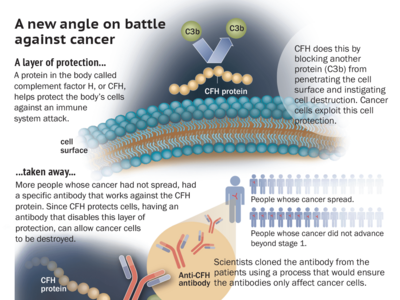
The CFH antibodies killed tumor cells in cell lines of several cancer types and slowed tumor growth in mouse models of brain and lung cancer, without evidence of side effects.
-
The FDA has approved two drugs, cabozantinib and lenvatinib, for patients whose advanced kidney cancers have progressed after prior treatment with antiangiogenic therapies.