
2020 - Cancer Currents Blog
-
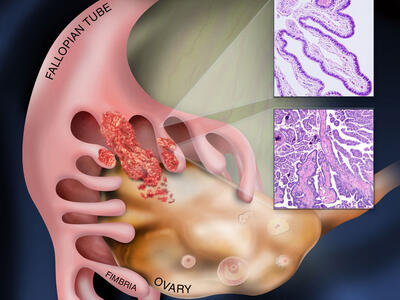
A microRNA—a molecule made by cells to turn genes on and off—called miR-181a may help high-grade serous ovarian cancer form, a study has found. The scientists think the microRNA could potentially help doctors detect ovarian cancer earlier.
-
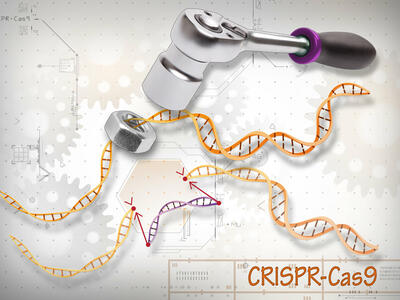
The gene-editing tool CRISPR is changing the way scientists study cancer, and may change how cancer is treated. This in-depth blog post describes how this revolutionary technology is being used to better understand cancer and create new treatments.
-
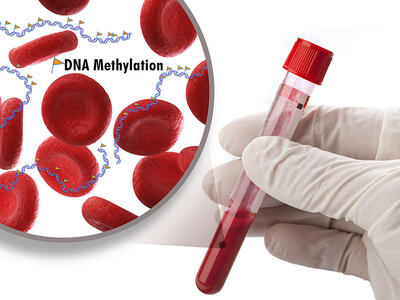
Results from two studies show that a liquid biopsy that analyzes DNA in blood accurately detected kidney cancer at early and more advanced stages and identified and classified different types of brain tumors.
-

Two rediscovered drugs, bisantrene and brequinar, slowed the growth of acute myeloid leukemia in studies of mice. The drugs blocked the activity of a protein called FTO, killing cancer stem cells and helping the immune system attack the cancer.
-

Three recently launched NCI-supported studies could help researchers better understand the causes of racial/ethnic disparities in ovarian cancer. The ultimate goal is to eliminate disparities and improve survival for all women with the disease.
-

Since launching the Childhood Cancer Data Initiative, NCI has undertaken a range of research activities to support this important effort. In this Cancer Currents post, NCI Director Dr. Norman Sharpless provides an update on these efforts.
-

In a study of more than 50,000 veterans with lung cancer, those with mental illness who received mental health treatment—including for substance use—lived substantially longer than those who didn’t participate in such programs.
-
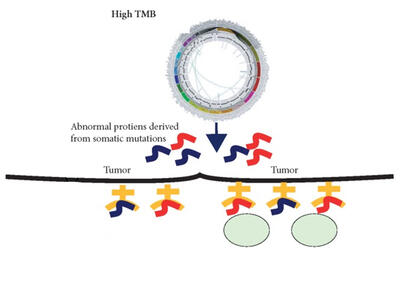
FDA’s approval of pembrolizumab (Keytruda) to treat people whose cancer is tumor mutational burden-high highlights the importance of genomic testing to guide treatment, including for children with cancer, according to NCI Director Dr. Ned Sharpless.
-
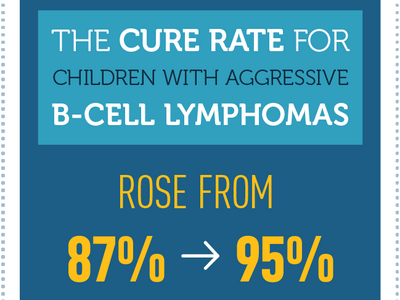
For children with aggressive Burkitt lymphoma and other B-cell non-Hodgkin lymphomas, adding rituximab (Rituxan, Truxima) to chemotherapy substantially increases the likelihood of the child being cured, results from a large clinical trial show.