
2020 - Cancer Currents Blog
-

Many older adults are being screened for cancer who no longer need to be, a new study shows. Based on a nationwide survey, the study found that at least half of older US adults had received at least one unnecessary cancer screening test in the previous few years.
-
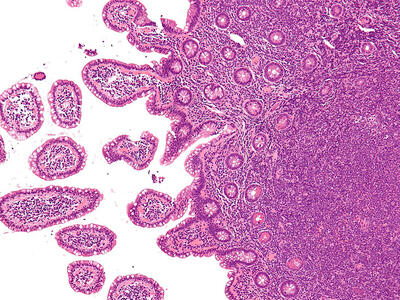
A CAR T-cell therapy called brexucabtagene autoleucel (Tecartus) has been approved by the Food and Drug Administration (FDA) for some patients with mantle cell lymphoma. This is the third CAR T-cell therapy approved by FDA for patients with cancer.
-

Regular use of low-dose aspirin may increase an older person’s risk of being diagnosed with advanced cancer and of dying from cancer, results from the ASPREE clinical trial suggest. Learn more about what this 19,000-participant study found.
-

A heart-related event, like a heart attack, may make breast cancer grow faster, a new study suggests. In mice, heart attacks accelerated breast tumor growth and human studies linked cardiac events with breast cancer recurrence, researchers reported.
-
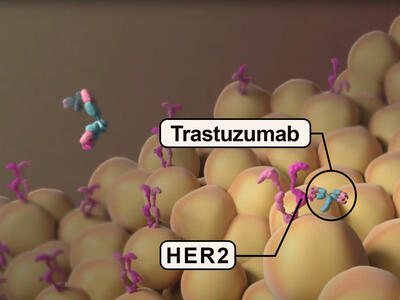
For some women with HER2-positive uterine serous carcinoma, a rare type of endometrial cancer, treating them with trastuzumab (Herceptin) and chemotherapy may help them live longer, according to updated results from a small clinical trial.
-

A study found that the risk of developing any of 26 chronic health problems was about 50% higher among cancer survivors who were diagnosed as adolescents and young adults, compared with their peers who did not have cancer.
-

Fusion proteins drive the development of many cancers in children, yet little is known about their biology. NCI’s Fusion Oncoproteins in Childhood Cancers Consortium brings together experts from varied disciplines to investigate these cancers.