
2021 - Cancer Currents Blog
-
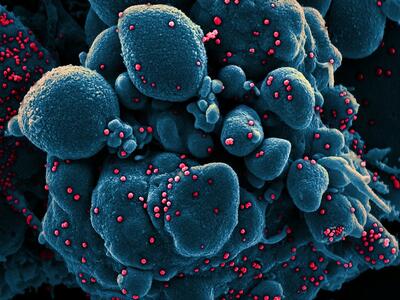
In this Q&A, leaders of NCI’s SeroNet program discuss new research findings on the immune response to the virus that causes COVID-19, new variants of the virus, and the COVID-19 vaccines. They also discuss the effects of the vaccines on people with cancer.
-

For women undergoing chemotherapy for breast cancer, meeting the national physical activity guidelines may help alleviate cognitive issues, a new study suggests. The benefits may be even greater for patients who were physically active before treatment.
-

According to a new study, among people with cancer in the last month of their lives, filled prescriptions for opioids to control pain have dropped and emergency room visits for pain have increased dramatically.
-
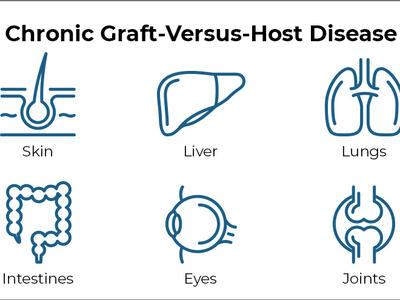
FDA has approved belumosudil (Rezurock) for the treatment of chronic graft-versus-host disease (GVHD). The approval covers the use of belumosudil for people 12 years and older who have already tried at least two other therapies.
-

Nearly 750,000 cases of cancer diagnosed worldwide in 2020, or 4%, can be attributed to alcohol consumption, according to a new study. While heavy drinking accounted for most cases, light and moderate drinking accounted for a modest amount.
-

Cancer can greatly disrupt life for adolescents and young adults, who are already going through major life changes. Gathering data on how cancer and its treatment affect this age group will improve their quality of life during and beyond treatment.