
2024 - Cancer Currents Blog
-

NCI Director Dr. Kimryn Rathmell and Division of Cancer Biology Director Dr. Dan Gallahan explain how the R15 grant program supports researchers at smaller institutions and encourages students to pursue careers in cancer research.
-
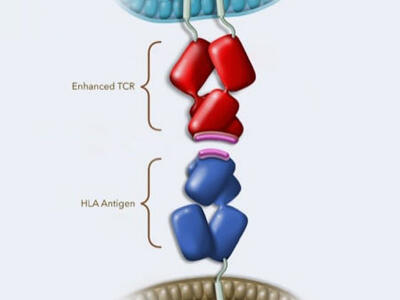
FDA approved afami-cel (Tecelra) to treat metastatic synovial sarcoma, a type of soft tissue sarcoma. The approval is for patients who have already received chemo and whose tumors are positive for MAGE-A4. Afami-cel is the first T-cell receptor therapy approved for cancer.
-
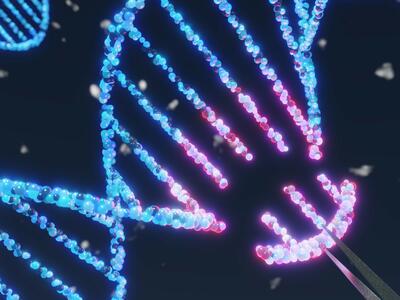
Scientists have developed a strategy for treating cancer that takes advantage of tumors’ ability to rapidly evolve and turns it against them. It involves intentionally making some tumor cells resistant to a specific treatment from the get-go.
-
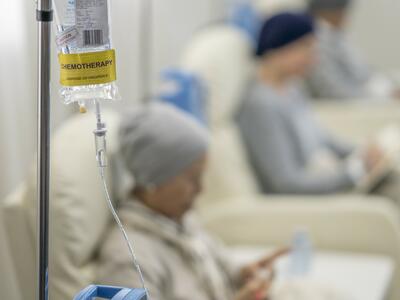
Two new studies in mice show that adding chemotherapy to the experimental KRAS inhibitor MRTX1133 greatly reduced tumor growth and spread compared with either treatment alone.
-
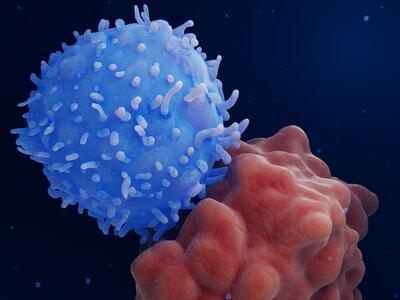
In late 2023, FDA announced it was investigating instances of second cancers following treatment with CAR T-cell therapies. In this Q&A, NCI’s Dr. Stephanie Goff explains what’s known about the issue, stressing that second cancers “of any kind are rare.”
-
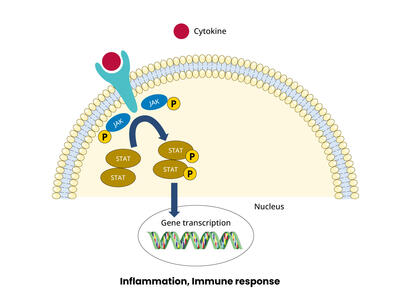
Scientists have been searching for ways to make immune checkpoint inhibitors work for more patients. In two trials, researchers explored a possible role for JAK inhibitors, which dampen chronic inflammation.
-

People with advanced endometrial cancer now have new FDA-approved treatment options: pembrolizumab and durvalumab, paired with chemotherapy, for tumors with a genetic change called mismatch repair deficiency. The agency also expanded the approved uses of dostarlimab for the disease.
-

Regular imaging tests to monitor the pancreas may help detect pancreatic cancer at an early stage in people who are at high risk, a new study suggests. This type of surveillance could also help improve how long these patients live.