
2021 - Cancer Currents Blog
-

A program called ACCURE is showing promise toward reducing disparities among Black and White patients with breast and lung cancers. ACCURE involves system-wide changes at cancer centers to overcome structural and cultural barriers in patient care.
-
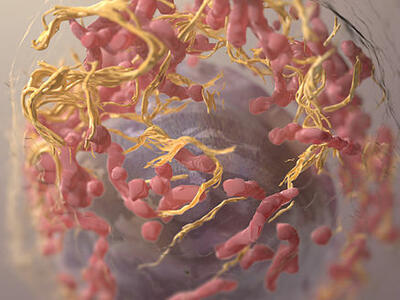
Clinical trial finds that ipilimumab (Yervoy) and nivolumab (Opdivo) combo is superior to a combination of the targeted therapies dabrafenib (Tafinlar) and trametinib (Mekinist) as the first treatment for metastatic BRAF-positive melanoma.
-

For older adults with advanced cancer, a geriatric assessment can help direct their treatment, a new study shows. In the study, patients whose care was guided by a geriatric assessment experienced fewer serious side effects and falls in their homes.
-
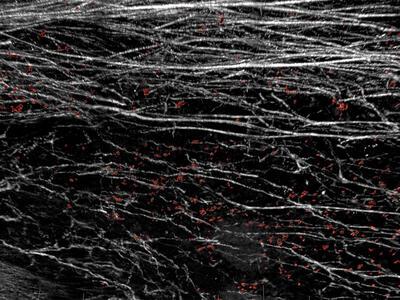
Cancer cells can shed a protein called DDR1 that helps collagen proteins create dense barriers around tumors. A study in mice showed these barriers can prevent immune cells from entering and killing tumors.
-
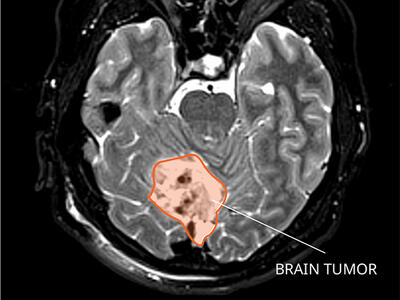
A new test could potentially be used to identify children treated for medulloblastoma who are at high risk of their cancer returning. The test detects evidence of remaining cancer in DNA shed from medulloblastoma tumor cells into cerebrospinal fluid.
-

Most breast cancer risk tools were developed with data mainly from White women and don’t work as well for Black women. A new tool that estimates risk for Black women may help identify those who might benefit from earlier screening, enabling earlier diagnosis and treatment.