
Biology of Cancer - Cancer Currents Blog
Cancer biology research news, with context from experts at NCI and elsewhere. Topics include cancer metastasis, the tumor microenvironment, and new targets for cancer therapies.
-
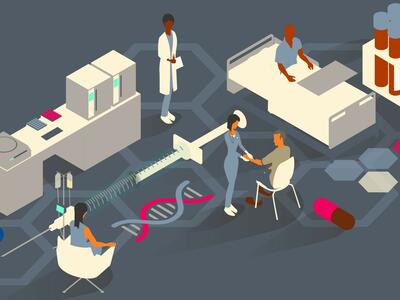
Researchers have identified hundreds of promising targets for existing drugs or potential new cancer drugs. The findings relied heavily on proteogenomic data from more than 1,000 tumors representing 10 types of cancer released last year by NCI's CPTAC program.
-
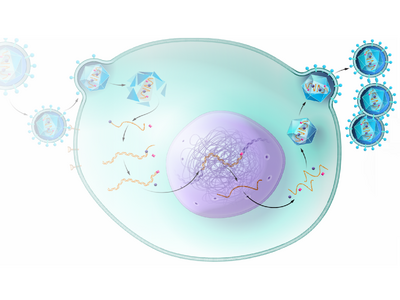
DNA fragments from retroviruses that are millions of years old appear to be active in a variety of cancers, a new study found. One virus-derived DNA fragment in particular, known as LTR10, turns on cancer-related genes in multiple types of cancer.
-
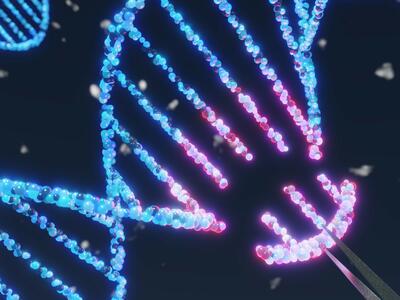
Scientists have developed a strategy for treating cancer that takes advantage of tumors’ ability to rapidly evolve and turns it against them. It involves intentionally making some tumor cells resistant to a specific treatment from the get-go.
-

Two new studies in mice show that adding chemotherapy to the experimental KRAS inhibitor MRTX1133 greatly reduced tumor growth and spread compared with either treatment alone.
-
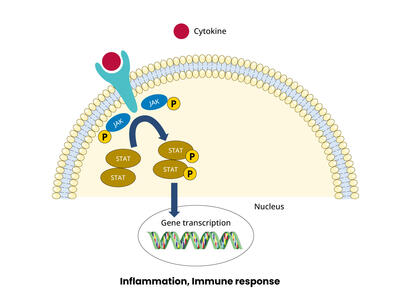
Scientists have been searching for ways to make immune checkpoint inhibitors work for more patients. In two trials, researchers explored a possible role for JAK inhibitors, which dampen chronic inflammation.
-
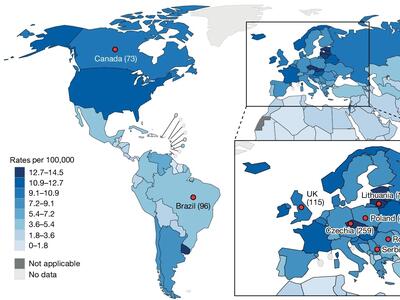
By analyzing patterns of DNA mutations in kidney cancers from people around the world, researchers have discovered new clues about possible causes of the disease. Identifying these mutational signatures might lead to strategies for preventing kidney cancer.
-
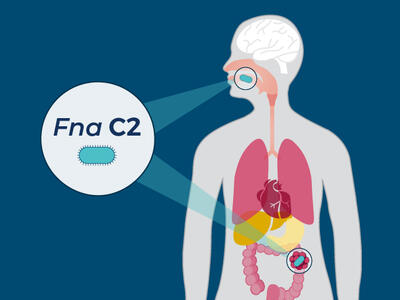
NCI-funded researchers have pinpointed a single type of the bacterium F. nucleatum that appears to fuel the development and growth of colorectal cancer. In mice, the bacterium, Fna C2, appeared to cause more adenomas to form in the large intestine and it was often found in human tumor samples.
-
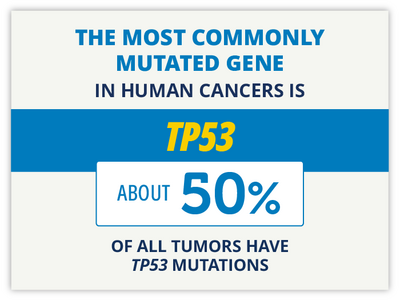
Although TP53 mutations help drive the growth of most cancers, there are no FDA-approved therapies that target altered p53 proteins. Now a drug combination has shown promise in mice and is being tested in a clinical trial.
-
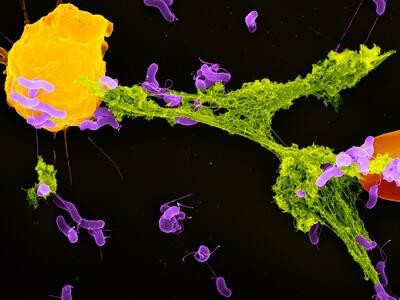
Stress-induced hormones called glucocorticoids can cause biological changes—in the form of sticky traps called NETs—that help create hospitable environments for cancer cells to form metastatic tumors, according to new research done largely in mice.
-
Adding a fusion of parts of two genes helped engineered T cells divide faster, kill more tumor cells, and survive longer in mice without making the T cells behave like cancer cells.