
Prognosis - Cancer Currents Blog
Reports on cancer prognosis-related research, including articles on doctor–patient communication and approaches to determine patient prognosis more accurately, among others.
-
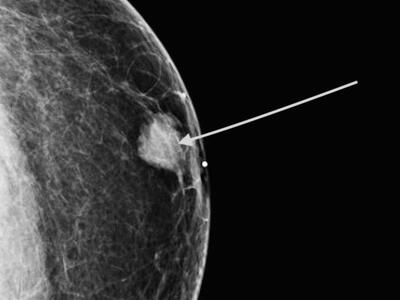
Men with breast cancer may be more likely to die of the disease than women, particularly during the first 5 years after diagnosis, a new study suggests. The higher likelihood of death was linked in part to undertreatment and later diagnosis.
-
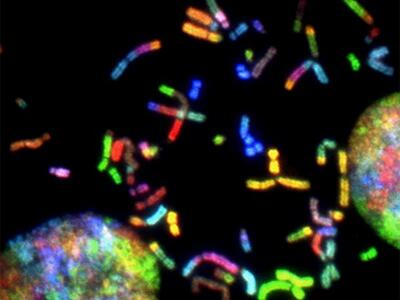
Men and women with glioblastoma appear to respond differently to standard treatment. A new study identifies biological factors that might contribute to this sex difference.
-
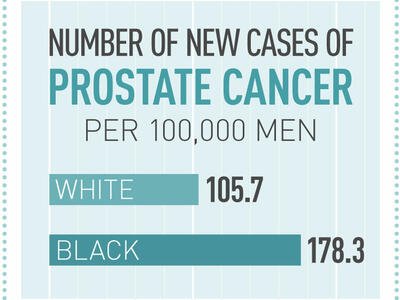
For African American men, the risk of dying from low-grade prostate cancer is double that of men of other races, a new study has found. But, despite the increase, the risk is still small.
-
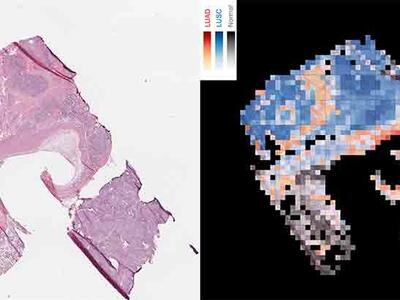
Cancer researchers have trained a computer program to scan images of tissue samples to differentiate normal lung tissue from the two most common forms of lung cancer. The program also learned to detect cancer-related genetic mutations in the samples.
-
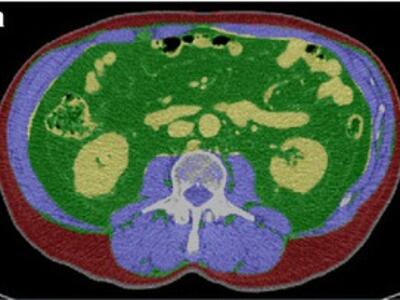
Researchers compared the risk of death for women with breast cancer who had low skeletal muscle mass, or sarcopenia, at the time of their cancer diagnosis and women who had adequate muscle mass.
-
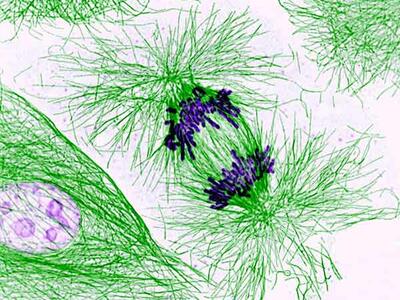
A new study suggests that a chromosomal instability score may help guide treatment choices for patients with cancer.
-

Many patients with advanced, incurable cancer have a poor understanding of their prognosis or life expectancy, a new study shows. Patients who discussed their prognosis with their doctors were more likely to understand the serious nature of their illness.
-

A blog post on a study showing that in patients with metastatic colorectal cancer, the location in the colon where the tumor originated appears to strongly influence how long patients live.
-

Patients with advanced cancer may benefit from having discussions about their prognoses with their physicians.
-
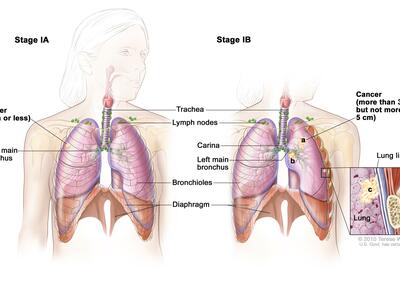
A panel of three genetic markers may help to identify patients with early-stage lung cancer who have a very strong likelihood of their disease returning after surgery.