
Cancer Risk - Cancer Currents Blog
News about research on factors that affect cancer risk, including inherited genetic mutations, smoking/tobacco use, obesity, and infectious agents like HPV.
-

Adolescents who use pod-style e-cigarettes had higher levels of nicotine in their bodies than is typically found in adolescents who smoke conventional cigarettes, a new study has found. The study's findings are concerning for several reasons.
-
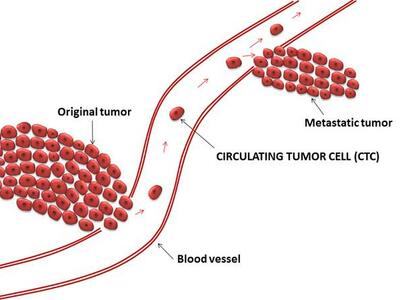
Using a liquid biopsy to test for tumor cells circulating in blood, researchers found that, in women with breast cancer, the presence of these cells could identify women at risk of their cancer returning years later.
-

Do cancer study participants want to receive their genetic test results? A recent study involving women with a history of breast cancer tested an approach for returning genetic research results and evaluated the impact those results had on the women.
-

A new study in mice has revealed a molecular link between a high-fat diet and the growth and spread of prostate cancer. The findings, the study leaders believe, raise the possibility that changes in diet could potentially improve treatment outcomes in some men.
-

A type of cancer that occurs in the lower stomach has been increasing among some Americans under the age of 50, even though in the general population the incidence of all stomach cancers has been declining for decades, according to a new study.
-
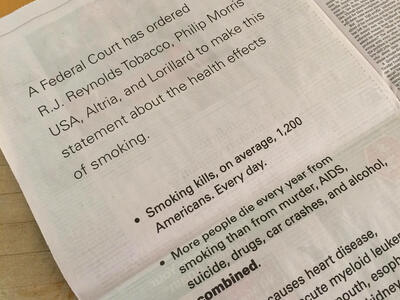
November 26, 2017, marked a unique moment in US public health history, with the major US tobacco companies issuing the first in a series of court-ordered "corrective statements" about their products.
-

By comparing the genomes of women infected with a high-risk type of human papillomavirus (HPV), researchers have found that a precise DNA sequence of a viral gene is associated with cervical cancer.
-

Results from the first large prospective study of breast and ovarian cancer risk in women with inherited mutations in the BRCA 1 or BRCA2 genes confirm the high risks estimated from earlier, retrospective studies.
-
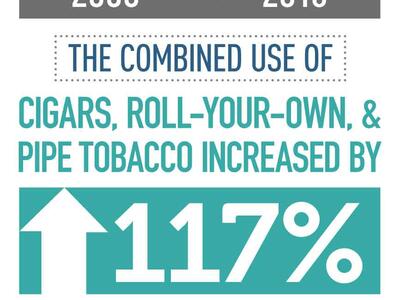
The consumption of cigarettes, small cigars, and chewing tobacco has declined over the past 15 years, according to a new study. These declines were partially offset by a rise in consumption of large cigars, pipe tobacco, and snuff.
-
NCI’s Dr. Mark Parascandola answers questions about The Economics of Tobacco and Tobacco Control, the latest in a series of monographs on tobacco use and tobacco control, which was co-written with the World Health Organization.
-

The findings from a recent study suggest that adolescents are not just using e-cigarettes as a substitute for conventional cigarettes but that e-cigarettes are attracting new users to tobacco products.
-

Researchers estimate that nearly 12% of men with advanced prostate cancer have inherited mutations in genes that play a role in repairing damaged DNA.
-

A new report from an NCI working group lays out recommended priorities to help shape the institute’s future tobacco control research portfolio.
-
NCI’s Dr. Robert Croyle discusses the Food and Drug Administration’s release of a rule that extends its regulatory authority over tobacco products to include cigars, e-cigarettes, hookah (waterpipe) tobacco.
-

Testing for genetic mutations strongly associated with an increased risk of breast cancer has risen dramatically among women younger than age 40 who are diagnosed with the disease, according to a new study.
-
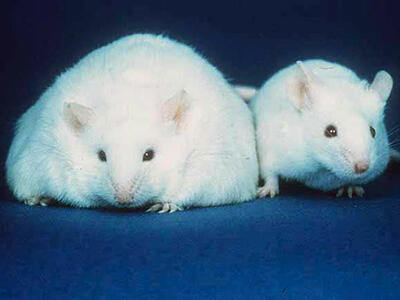
A missing hormone in obese mice may help explain a longstanding association between obesity and an increased risk of colorectal cancer in humans.
-
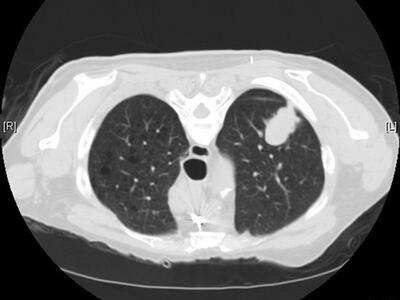
NCI has released a new funding announcement to stimulate research on optimal smoking cessation approaches delivered in conjunction with lung cancer screening.
-

Last month, NCI launched a competition to spur research in an area of great public health interest: the genomic basis of breast cancer and breast cancer risk.
-
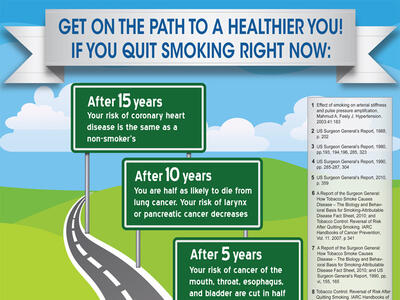
According to a new study, smoking may be responsible for far more deaths each year than previously thought.
-
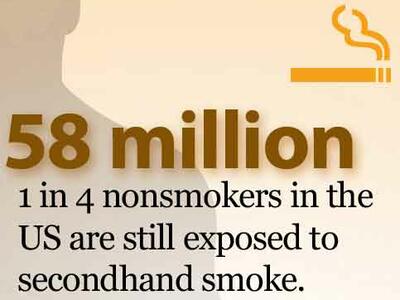
Second-hand smoke exposure has fallen by 50 percent since 1999, a new study finds, but millions are still routinely exposed to secondhand smoke.