
Treatment - Cancer Currents Blog
Cancer treatment related news, with context from leading experts. Includes articles on new therapies, treatment side effects, and important trends in treatment-related research.
-

The findings from a recent NCI-supported clinical trial are helpful because previous studies for people with locally advanced head and neck cancer have yielded conflicting data for and against several alternatives to cisplatin combined with radiation.
-

In a trial, men who received stereotactic body radiotherapy (SBRT) didn’t have a higher risk of cancer recurrence than men treated with other common radiation therapy regimens that are given over longer periods.
-
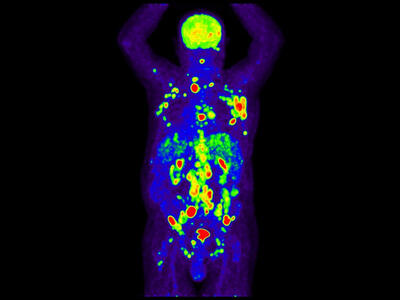
In a nearly 1,000-patient trial, treatment with nivolumab (Opdivo) and the chemotherapy regimen AVD was better at eliminating cancer and keeping it at bay than the current standard initial treatment for the disease, AVD and brentuximab (Adcetris). The nivolumab combination also had fewer side effects.
-

A randomized clinical trial comparing two types of surgery in people with localized muscle-invasive bladder cancer found that more extensive surgery removing a larger group of lymph nodes did not improve survival, compared with standard lymph node surgery.
-

Results from a French clinical trial have identified what experts say should now be the recommended initial treatment of advanced leiomyosarcoma. In the trial, the combination of trabectedin (Yondelis) and doxorubicin improved survival by a median of 9 months.
-
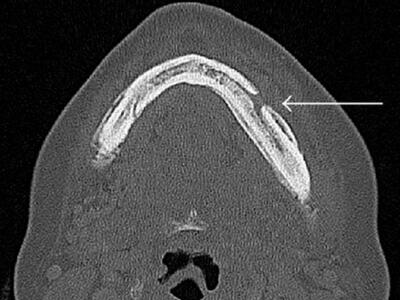
Osteonecrosis of the jaw was thought to be a rare side effect of drugs like denosumab (Xgeva) that lessen bone problems when cancer has spread to the bone. But a new study has found that the painful side effect is more common than once thought.
-

Trial participants who stopped imatinib had a more rapid worsening of disease, a shorter time until resistance, and did not live as long as participants who continued the therapy uninterrupted.
-
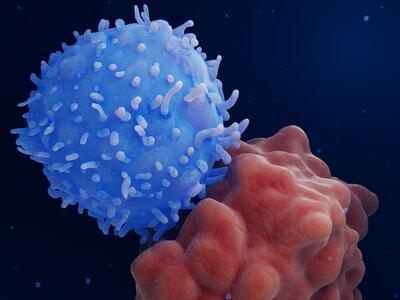
In late 2023, FDA announced it was investigating instances of second cancers following treatment with CAR T-cell therapies. In this Q&A, NCI’s Dr. Stephanie Goff explains what’s known about the issue, stressing that second cancers “of any kind are rare.”
-

People with advanced endometrial cancer now have new FDA-approved treatment options: pembrolizumab and durvalumab, paired with chemotherapy, for tumors with a genetic change called mismatch repair deficiency. The agency also expanded the approved uses of dostarlimab for the disease.
-
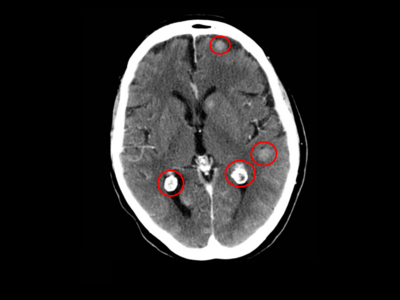
Lorlatinib (Lorbrena) is superior to crizotinib (Xalkori) as an initial treatment for people with ALK-positive advanced non-small cell lung cancer, according to new clinical trial results. Treatment with lorlatinib also helped prevent new brain metastases.