
Biology of Cancer - Cancer Currents Blog
Cancer biology research news, with context from experts at NCI and elsewhere. Topics include cancer metastasis, the tumor microenvironment, and new targets for cancer therapies.
-
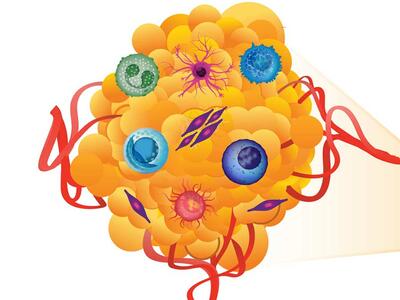
The Human Tumor Atlas Network, an NCI-led collaborative research project, is creating detailed maps of cancers that will be used to learn how cancer develops, spreads, and responds to treatment.
-
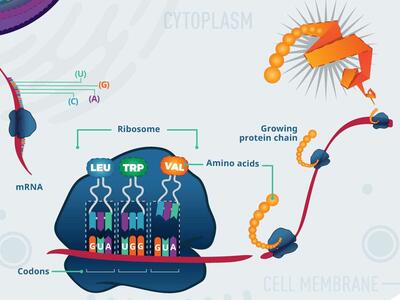
Researchers have found an unconventional way to unleash the immune system against liver cancer in mice. The researchers used an investigational drug to curb the production of a checkpoint inhibitor protein that shields tumors from the immune system.
-
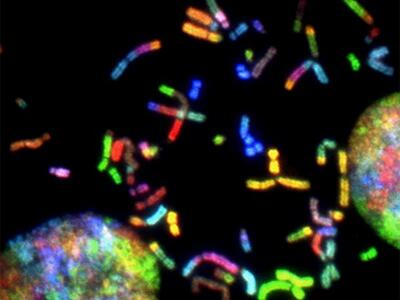
Men and women with glioblastoma appear to respond differently to standard treatment. A new study identifies biological factors that might contribute to this sex difference.
-
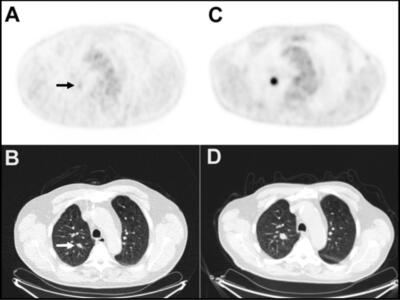
A new study has identified a potential biomarker of early-stage non–small cell lung cancer (NSCLC). The biomarker, the study’s leaders said, could help diagnose precancerous lung growths and early-stage lung cancers noninvasively and distinguish them from noncancerous growths.
-
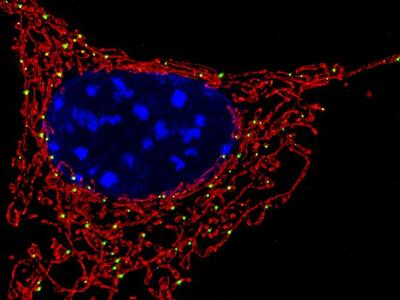
Two new studies show how the drugs venetoclax (Venclexta) and azacitidine (Vidaza) team up to block the unique metabolism of leukemia stem cells and may explain why the drug combination is effective against acute myeloid leukemia.
-
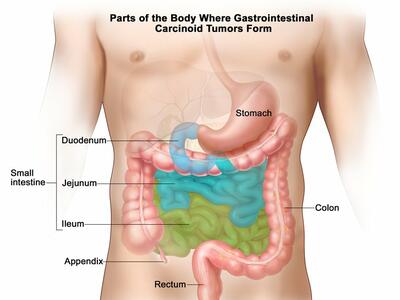
The largest-ever study of DNA changes in appendix cancer shows that it is distinct from colorectal and other gastrointestinal cancers and suggests that specific mutations in appendix tumors may help predict whether they may be aggressive.
-
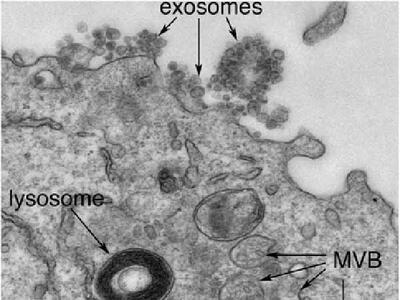
A new study has identified what may be an important and previously unknown route by which tumors evade the immune system: They secrete small membrane-encased sacs, called exosomes, studded with a protein that dials down the immune response.
-
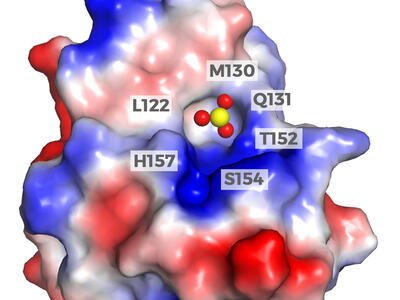
Arsenic trioxide and retinoic acid work together to target the master regulator protein Pin1, a new study shows. In cancer cell lines and mice, the drug combination slowed the growth of triple-negative breast cancer tumors.
-
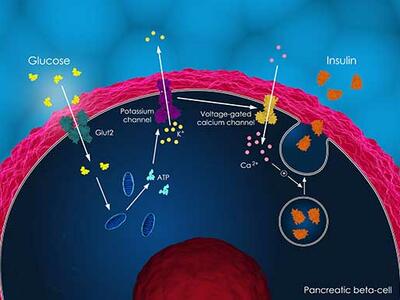
A study in mice may have identified a way to help overcome resistance to targeted cancer drugs known as PI3K inhibitors. The approach appears to work by reducing insulin levels in patients receiving these drugs.
-
Researchers with the NCI-supported GAME-ON initiative and OncoArray Network are publishing studies identifying dozens of new genetic variants associated with the risk for developing some of the most common cancers.