
Clinical Trial Results - Cancer Currents Blog
Reports on findings from cancer clinical trials, with commentary from leading researchers on how the trial results will affect patient care.
-
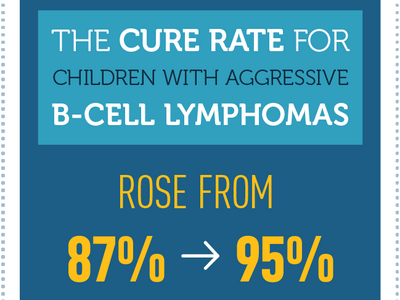
For children with aggressive Burkitt lymphoma and other B-cell non-Hodgkin lymphomas, adding rituximab (Rituxan, Truxima) to chemotherapy substantially increases the likelihood of the child being cured, results from a large clinical trial show.
-

In response to the COVID-19 pandemic, cancer researchers are making changes to clinical trials to ensure patient safety and protect the integrity of their work. Some changes, such as greater use of telemedicine, will likely continue into the future.
-
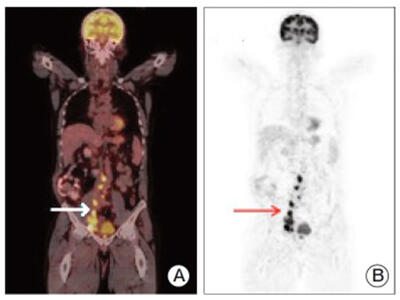
Results from a large study show that, for most people with advanced bladder cancer, starting immunotherapy with avelumab (Bavencio) shortly after initial treatment with chemotherapy is better than delaying treatment.
-

Many advanced cancer patients suffer from chronic nausea and vomiting and there aren’t many good treatments available. But a small study suggests that the drug olanzapine (Zyprexa) may fill that gap.
-
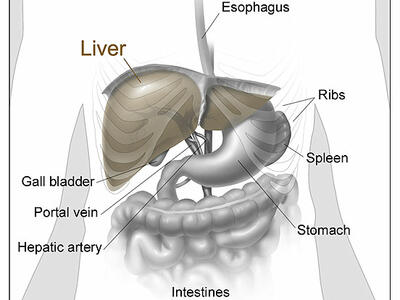
FDA has approved atezolizumab (Tecentriq) plus bevacizumab (Avastin) as an initial treatment for some people with advanced liver cancer. This is the first approval in 13 years for a treatment that is more effective than the current standard, sorafenib.
-

Patients with acute graft-versus-host disease (GVHD) that does not respond to steroid therapy are more likely to respond to the drug ruxolitinib (Jakafi) than other available treatments, results from a large clinical trial show.
-

More than a decade after vaccination, women who had received a single dose of the HPV vaccine continued to be protected against infection with the two cancer-causing HPV types targeted by the vaccine, an NCI-funded clinical trial shows.
-
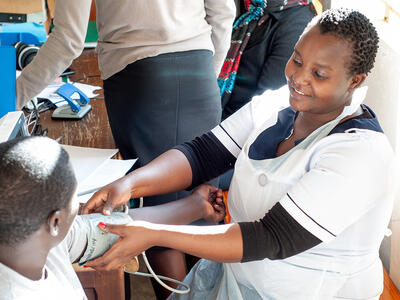
For people with advanced AIDS-related Kaposi sarcoma in sub-Saharan Africa, results from a large clinical trial are expected to change treatment. In the trial, paclitaxel greatly improved outcomes compared with treatments typically used in the region.
-
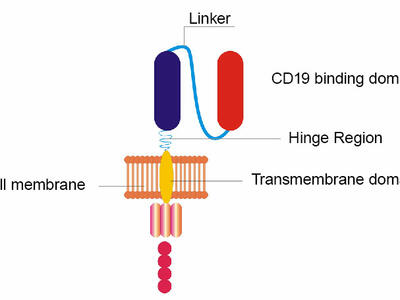
A remodeled CAR T-cell therapy causes fewer neurologic side effects and is equally effective as the original form of the treatment, according to results from the first clinical trial testing the approach in patients with B-cell lymphomas.
-
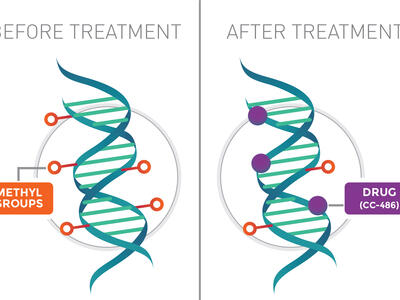
Maintenance therapy with CC-486 extended overall survival of adults with the blood cancer acute myeloid leukemia (AML) in a large clinical trial. CC-486 is a pill form of another cancer therapy called azacitidine (Vidaza).