
Clinical Trial Results - Cancer Currents Blog
Reports on findings from cancer clinical trials, with commentary from leading researchers on how the trial results will affect patient care.
-
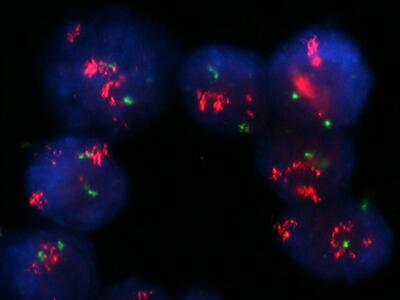
Tucatinib improved survival for women in the HER2CLIMB trial, including some whose cancer had spread to the brain. Trastuzumab deruxtecan improved survival and shrank many tumors in the DESTINY-Breast01 trial, which led to its accelerated approval.
-
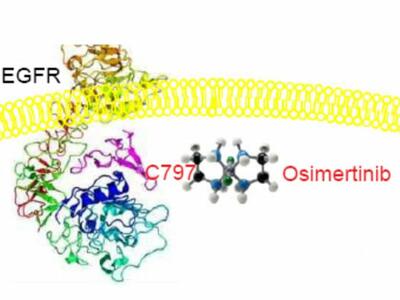
Osimertinib (Tagrisso) improves survival in people with non-small cell lung cancer with EGFR mutations, updated clinical trial results show. People treated with osimertinib lived longer than those treated with earlier-generation EGFR-targeted drugs.
-

Secondary surgery for women with recurrent ovarian cancer does not improve how long those women live, findings from a large trial show. The results call into question the current standard of practice for these patients.
-
An experimental drug, AMG 510, that targets mutated forms of the KRAS protein completely shrank tumors in cancer mouse models and data from a small clinical trial show that it appears to be active against different cancer types with a KRAS mutation.
-
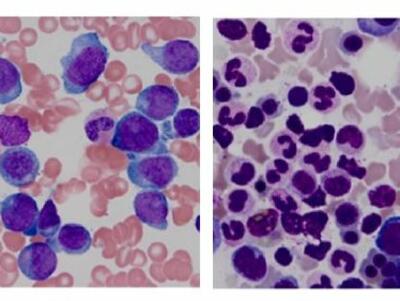
People with relapsed or refractory acute myeloid leukemia (AML) with FLT3 gene mutations treated with gilteritinib had improved survival, higher rates of remission, and fewer side effects than those treated with chemotherapy, a recent trial found.
-

Only 1.5% of children with acute lymphoblastic leukemia who skipped radiation had a recurrence in the central nervous system, according to a recent trial. The therapy, which is intended to prevent such a recurrence, can have devastating side effects.
-
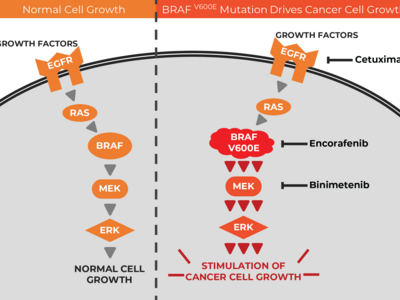
For people with colorectal cancer with a specific mutation in the BRAF gene, a treatment regimen of three targeted drugs can improve how long they live without increasing their risk of serious side effects, results from a new clinical trial show.
-
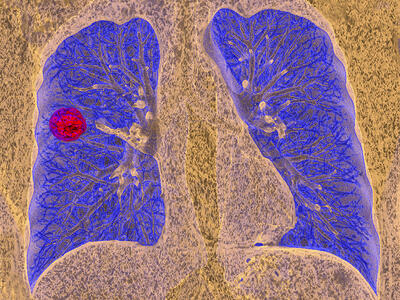
A large clinical trial showed that adding the immunotherapy drug durvalumab (Imfinzi) to standard chemotherapy can prolong survival in some people with previously untreated advanced small cell lung cancer.
-

In three large clinical trials of women with newly diagnosed ovarian cancer, treatment with a PARP inhibitor as first-line therapy, maintenance therapy, or both, extended the length of time before participants’ cancers came back or got worse.
-

A TAILORx analysis shows women with early-stage breast cancer and high recurrence scores on the Oncotype DX who received chemotherapy with hormone therapy had better long-term outcomes than what would be expected from hormone therapy alone.