
Treatment - Cancer Currents Blog
Cancer treatment related news, with context from leading experts. Includes articles on new therapies, treatment side effects, and important trends in treatment-related research.
-
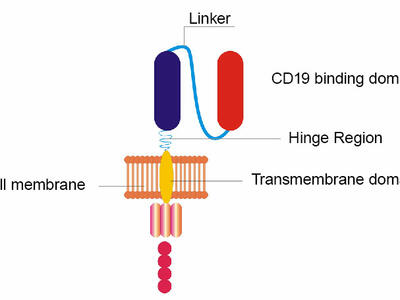
A remodeled CAR T-cell therapy causes fewer neurologic side effects and is equally effective as the original form of the treatment, according to results from the first clinical trial testing the approach in patients with B-cell lymphomas.
-
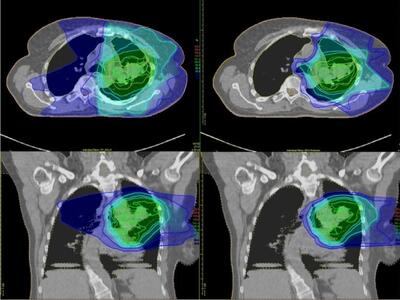
Some experts believe that proton therapy is safer than traditional radiation, but research has been limited. A new observational study compared the safety and effectiveness of proton therapy and traditional radiation in adults with advanced cancer.
-
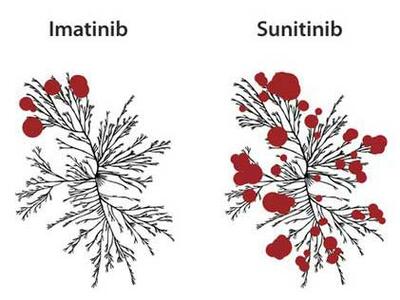
Avapritinib (Ayvakit) has been approved for adults with gastrointestinal stromal tumors (GIST) whose tumors have an alteration in a portion of the PDGFRA gene called exon 18. The approval applies to those whose tumors cannot be removed with surgery or have spread.
-
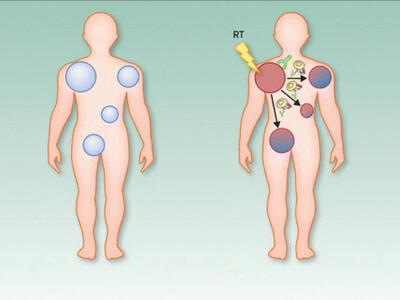
In people with cancer, the abscopal effect occurs when radiation—or another type of localized therapy—shrinks a targeted tumor but also causes untreated tumors in the body to shrink. Researchers are trying to better understand this phenomenon and take advantage of it to improve cancer therapy.
-
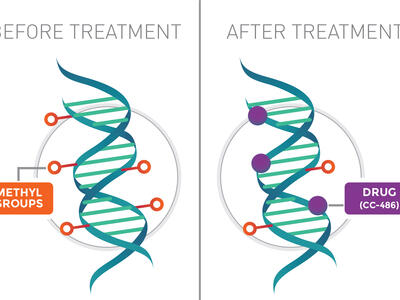
Maintenance therapy with CC-486 extended overall survival of adults with the blood cancer acute myeloid leukemia (AML) in a large clinical trial. CC-486 is a pill form of another cancer therapy called azacitidine (Vidaza).
-
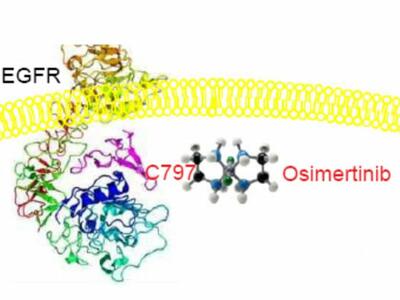
Osimertinib (Tagrisso) improves survival in people with non-small cell lung cancer with EGFR mutations, updated clinical trial results show. People treated with osimertinib lived longer than those treated with earlier-generation EGFR-targeted drugs.
-

Secondary surgery for women with recurrent ovarian cancer does not improve how long those women live, findings from a large trial show. The results call into question the current standard of practice for these patients.
-
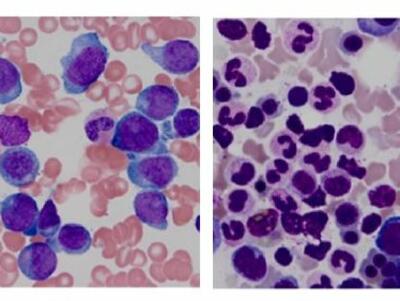
People with relapsed or refractory acute myeloid leukemia (AML) with FLT3 gene mutations treated with gilteritinib had improved survival, higher rates of remission, and fewer side effects than those treated with chemotherapy, a recent trial found.
-
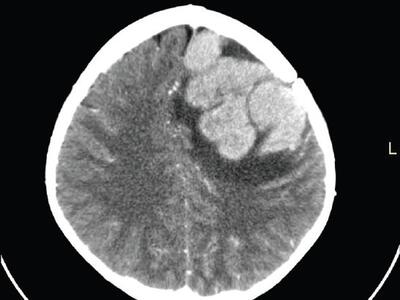
Only 1.5% of children with acute lymphoblastic leukemia who skipped radiation had a recurrence in the central nervous system, according to a recent trial. The therapy, which is intended to prevent such a recurrence, can have devastating side effects.
-
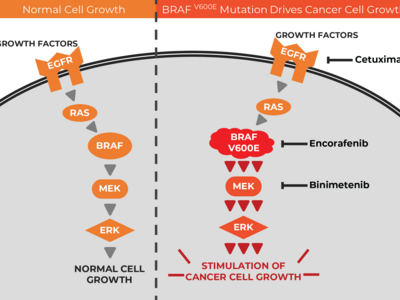
For people with colorectal cancer with a specific mutation in the BRAF gene, a treatment regimen of three targeted drugs can improve how long they live without increasing their risk of serious side effects, results from a new clinical trial show.