
Clinical Trial Results - Cancer Currents Blog
Reports on findings from cancer clinical trials, with commentary from leading researchers on how the trial results will affect patient care.
-
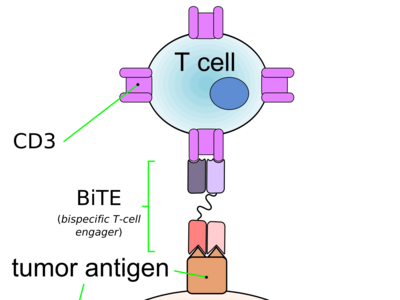
Patients with previously treated acute lymphoblastic leukemia who received blinatumomab, which encourages the immune system to kill cancer cells, lived longer and experienced fewer side effects than patients given standard chemotherapy.
-
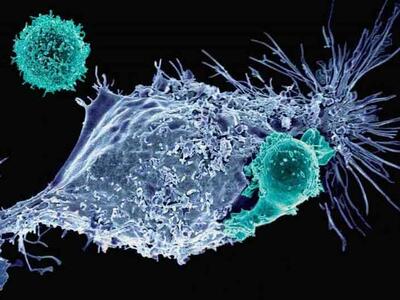
Using a new tool for editing genomes, known as CRISPR, researchers have genetically engineered immune cells and improved the ability of these cells to kill cancer cells in mice.
-
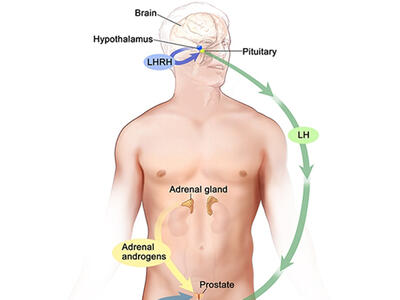
Long-term results from an NCI-sponsored clinical trial suggest that adding androgen deprivation therapy to radiation therapy can improve survival for some men with recurrent prostate cancer.
-
A phase III clinical trial demonstrates that adding the drug bortezomib to a commonly used two-drug regimen extends survival in patients with newly diagnosed multiple myeloma.
-
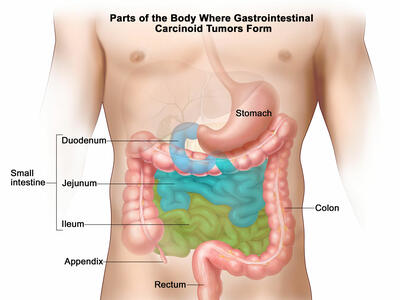
Results from a clinical trial suggest that 177 Lu-Dotatate may soon be a new treatment option for some patients with advanced neuroendocrine tumors.
-
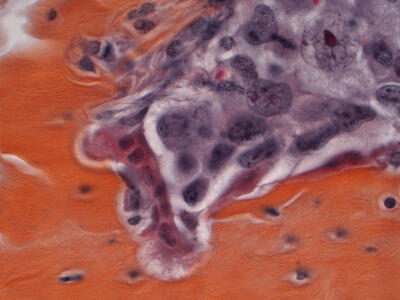
In a clinical trial involving patients with metastatic cancer, administration of zoledronic acid every 12 weeks was as effective at preventing skeletal-related events caused by bone metastases as administration every 4 weeks.
-

The targeted cancer therapy ibrutinib can effectively treat the symptoms of chronic graft-versus-host disease, a common and serious complication of allogeneic stem cell transplants, findings from a small clinical trial show.
-

Researchers have found that duloxetine (Cymbalta®), a drug most commonly used to treat depression, may also reduce joint pain caused by aromatase inhibitors in some women being treated for early-stage breast cancer.
-
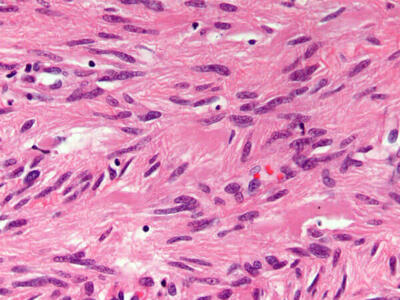
Two new targeted therapies have shown promise in patients with gastrointestinal stromal tumors (GIST) that have developed resistance to standard therapies.
-
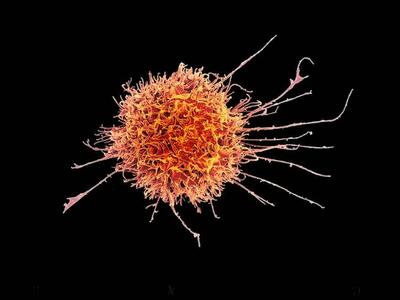
Researchers have developed an immunotherapy approach that uses immune cells whose natural cancer killing abilities have been enhanced in the lab. In a small clinical trial, the treatment led to remissions in about half of patients with acute myeloid leukemia.