
Childhood Cancer - Cancer Currents Blog
News about childhood cancer research, with context from leading experts. Topics include new treatments, issues facing childhood cancer survivors, and findings on the biology of cancer in children.
-
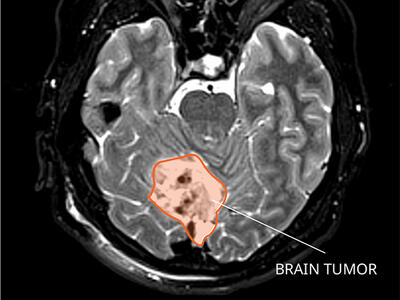
A new test could potentially be used to identify children treated for medulloblastoma who are at high risk of their cancer returning. The test detects evidence of remaining cancer in DNA shed from medulloblastoma tumor cells into cerebrospinal fluid.
-

NCI Director Dr. Ned Sharpless discusses progress against childhood cancers, like CAR T-cell therapy and collecting more comprehensive data on children and adolescents with cancer, and the need to better address disparities in childhood cancer.
-

Cancer can greatly disrupt life for adolescents and young adults, who are already going through major life changes. Gathering data on how cancer and its treatment affect this age group will improve their quality of life during and beyond treatment.
-
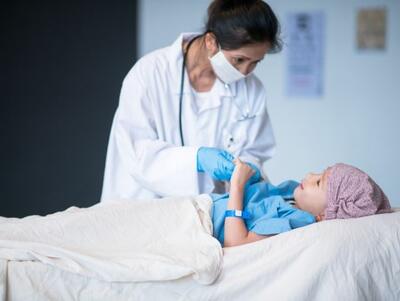
FDA has approved a new form of asparaginase called Rylaze. The drug was developed to help alleviate shortages of Erwinia asparaginase, a key part of treatment for children and adults with acute lymphoblastic leukemia.
-
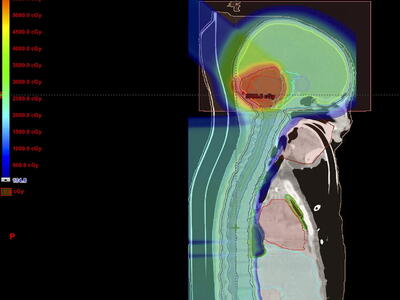
Standard radiation for medulloblastoma can cause long-term damage to a child’s developing brain. A new clinical trial suggests that the volume and dose of radiation could be safely tailored based on genetic features in the patient’s tumor.
-
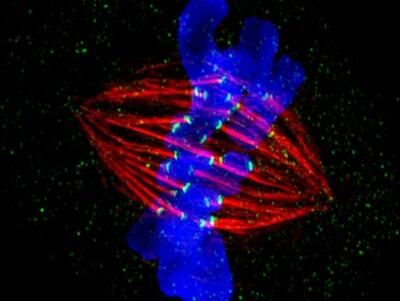
In a recent study, a treatment regimen using brentuximab vedotin (Adcetris) instead of the chemotherapy drug vincristine allowed some children and teens with advanced Hodgkin lymphoma to avoid radiation therapy—and the long-term health problems that can come with it.
-
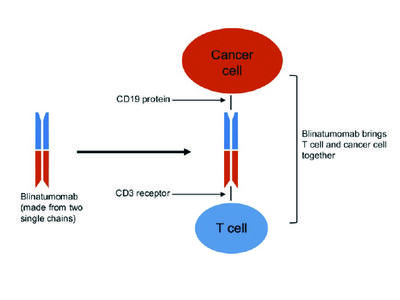
The results of two trials establish blinatumomab (Blincyto) as a new standard treatment for children and young adults with high-risk relapsed B-cell acute lymphoblastic leukemia after remission has been achieved and before a stem cell transplant.
-
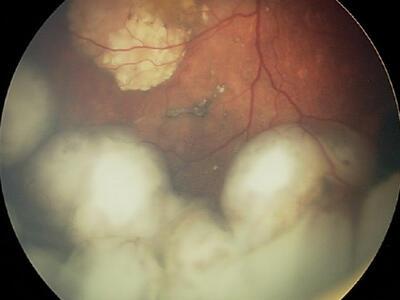
For children with the eye cancer retinoblastoma, researchers are studying a CAR T-cell therapy in which the engineered immune cells are packaged in a biodegradable material called a hydrogel and then injected directly into tumors.
-
For children and adults with advanced soft tissue sarcoma, adding pazopanib (Votrient) to chemotherapy and radiation before surgery may be a promising treatment option, early results from a clinical trial suggest.
-

Fusion proteins drive the development of many cancers in children, yet little is known about their biology. NCI’s Fusion Oncoproteins in Childhood Cancers Consortium brings together experts from varied disciplines to investigate these cancers.