
Prevention - Cancer Currents Blog
Cancer prevention news, with comments from leading scientists. Topics include preventive interventions for those at increased risk of cancer, protective behaviors, and more.
-

Widespread HPV vaccine use dramatically reduces the number of women who will develop cervical cancer, according to a study of nearly 1.7 million women. Among girls vaccinated before age 17, the vaccine reduced cervical cancer incidence by 90%.
-

Regular use of low-dose aspirin may increase an older person’s risk of being diagnosed with advanced cancer and of dying from cancer, results from the ASPREE clinical trial suggest. Learn more about what this 19,000-participant study found.
-

On January 1, 2020, the Food and Drug Administration (FDA) began requiring food manufacturers to display updated nutrition facts labels on their product packaging. Experts from FDA and NCI discuss the update and the research that underpins the changes.
-
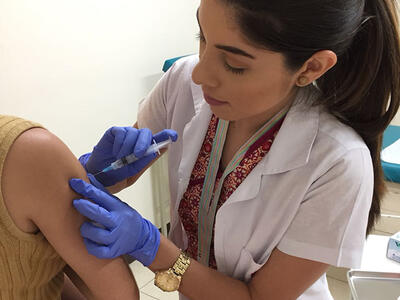
More than a decade after vaccination, women who had received a single dose of the HPV vaccine continued to be protected against infection with the two cancer-causing HPV types targeted by the vaccine, an NCI-funded clinical trial shows.
-
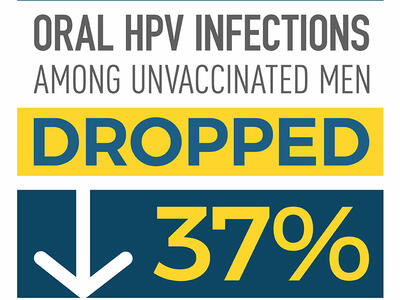
Oral HPV infections cause over 70% of all oropharyngeal cancers in the United States. In a new study of adults aged 18‒59, the rate of HPV vaccination rose from 0% to 6% for men, while oral HPV infections fell by 37% among unvaccinated men.
-

Researchers tested a program that trains pediatricians’ offices to provide smoking cessation treatment to parents during visits with their child’s doctor. The approach is intended to reach adults who are motivated to quit to protect their child’s health.
-

The Prostate Cancer Prevention Trial showed that finasteride can reduce the risk of prostate cancer, but might increase the risk of aggressive disease. NCI’s Howard Parnes talks about subsequent findings and what they mean for men aged 55 and older.
-
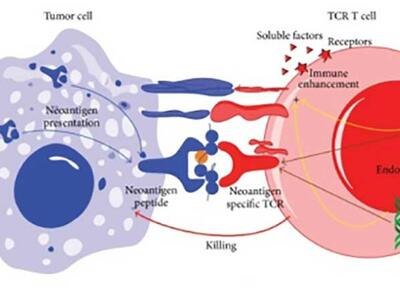
Findings from an NCI-funded study suggest a new vaccine approach may have the potential to prevent colorectal cancer in people with Lynch syndrome, an inherited condition that increases an individual's risk for developing certain types of cancer.
-

Many women diagnosed with ovarian and breast cancer are not undergoing tests for inherited genetic mutations that can provide important information to help guide decisions about treatment and longer-term cancer screening, a new study has found.
-

Researchers in the United Kingdom have found that e-cigarettes combined with counseling may be more helpful to smokers trying to quit tobacco than counseling and nicotine-replacement products, such as patches, gums, and lozenges.