
Screening & Early Detection - Cancer Currents Blog
News about research on cancer screening and early detection. Includes stories on the impact of screening, new technologies, and approaches to improving the safety and efficacy of screening.
-
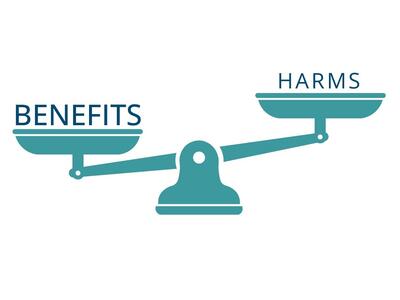
In a review of 33 cancer screening guidelines, researchers have found that many don’t adequately capture the potential harms of cancer screening. Providing information on harms is critical so people can have informed discussions about screening with their health care providers, the researchers noted.
-
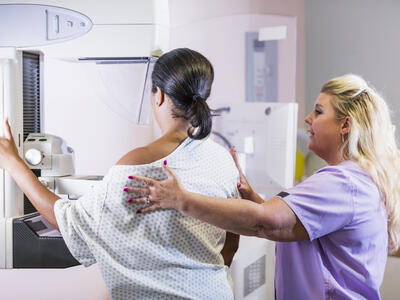
Many hospitals and community health centers are trying to increase cancer screening rates after the COVID pandemic caused them to plummet. The largest effort aims to add a total of 70,000 additional monthly screening tests over a 6-month period.
-
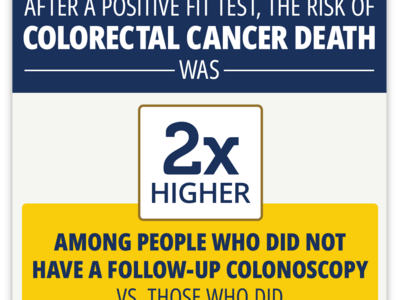
People who had a positive FIT result (signs of blood in the stool) but didn’t get a follow-up colonoscopy were twice as likely to die of colorectal cancer as those who did get a colonoscopy, a new study found.
-
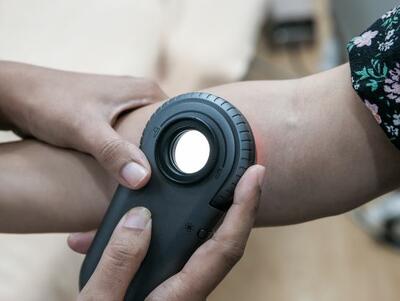
Regular skin cancer screening leads to many diagnoses of very early-stage melanomas, results from a new study suggest. The results add to a debate about whether screening is fueling an overdiagnosis of melanoma in the United States.
-
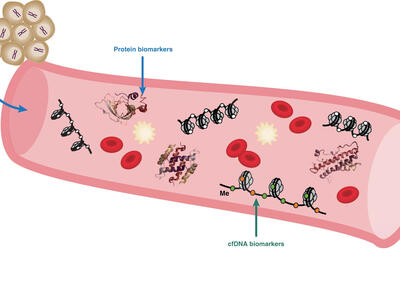
Progress has been made on developing noninvasive tests that may be able to find many cancers early. But, as NCI’s Dr. Phil Castle explains, there’s still much to learn about these multi-cancer early detection tests before they become widely used.
-
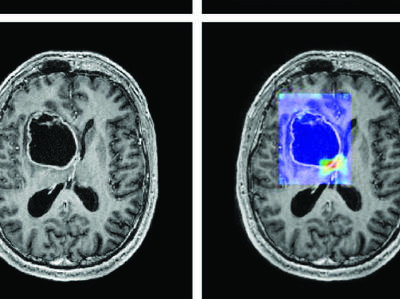
Researchers have been developing artificial intelligence (AI) tools that could make cancer imaging faster, more accurate, and more informative. But there are also questions about whether these tools are ready for doctors’ offices, whether they will actually help people, and whether that benefit will reach all—or only some—patients.
-
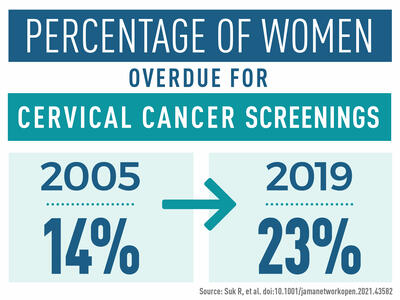
The rates of timely cervical cancer screening fell between 2005 and 2019, researchers found, and disparities existed among groups of women. The most common reason for not receiving timely screening was lack of knowledge about screening or not knowing they needed screening.
-

Most breast cancer risk tools were developed with data mainly from White women and don’t work as well for Black women. A new tool that estimates risk for Black women may help identify those who might benefit from earlier screening, enabling earlier diagnosis and treatment.
-

Women are far more likely than men to be diagnosed with small thyroid cancers that probably would have never caused problems during their lifetime, a new study finds. The results may help explain why thyroid cancer seems to be more common in women.
-
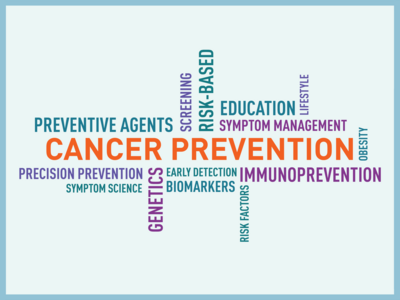
The director of NCI’s Division of Cancer Prevention, Dr. Philip Castle, discusses the division’s priority areas and his vision for making more rapid progress in cancer prevention, including moving toward precision prevention and immunoprevention.