
Technology - Cancer Currents Blog
News and commentaries on technology used to conduct cancer research, deliver cancer treatment, improve patient care, and screen for cancer, as well as other topics.
-

Researchers have developed a nanoparticle that trains immune cells to attack cancer. According to the NCI-funded study, the nanoparticle slowed the growth of melanoma in mice and was more effective when combined with an immune checkpoint inhibitor.
-

People with cancer find significant value in having access to electronic clinical notes from their doctor visits, a new study shows. Expanded access to these “open notes” will soon be required under the 21st Century Cures Act.
-
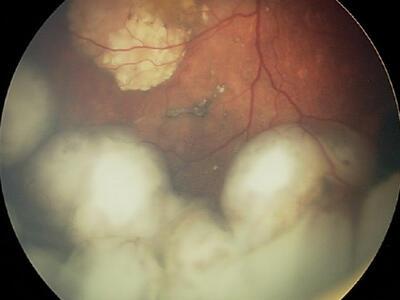
For children with the eye cancer retinoblastoma, researchers are studying a CAR T-cell therapy in which the engineered immune cells are packaged in a biodegradable material called a hydrogel and then injected directly into tumors.
-
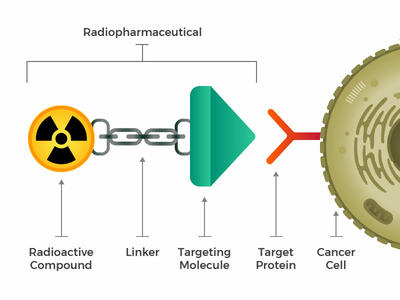
Researchers are developing a new class of cancer drugs called radiopharmaceuticals, which deliver radiation therapy directly and specifically to cancer cells. This Cancer Currents story explores the research on these emerging therapies.
-
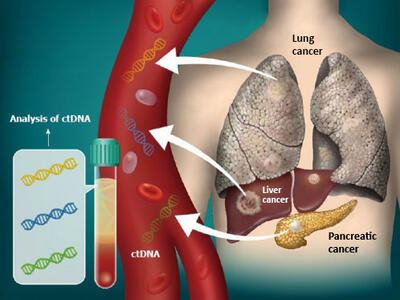
FDA has recently approved two blood tests, known as liquid biopsies, that gather genetic information to help inform treatment decisions for people with cancer. This Cancer Currents story explores how the tests are used and who can get the tests.
-
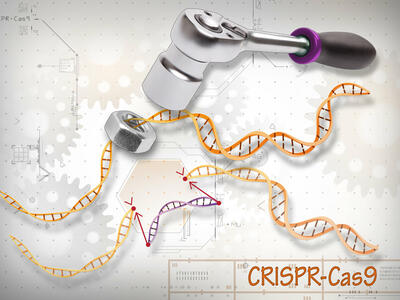
The gene-editing tool CRISPR is changing the way scientists study cancer, and may change how cancer is treated. This in-depth blog post describes how this revolutionary technology is being used to better understand cancer and create new treatments.
-

Since launching the Childhood Cancer Data Initiative, NCI has undertaken a range of research activities to support this important effort. In this Cancer Currents post, NCI Director Dr. Norman Sharpless provides an update on these efforts.
-
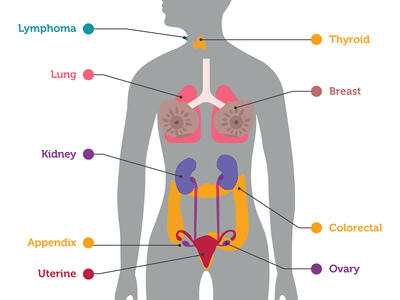
A blood test combined with imaging tests detected tumors—some at an early stage—in women with no history of cancer or symptoms, a recent study showed. The test also mistakenly indicated some women had cancer when further testing showed they didn't.
-
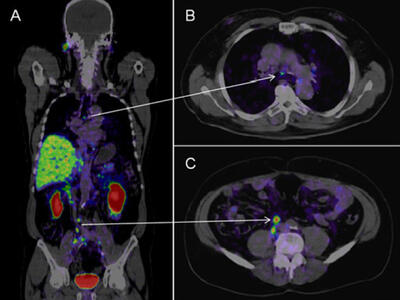
For some men with prostate cancer at high risk of spreading, a large clinical trial shows an imaging method called PSMA PET-CT is more likely to detect metastatic tumors than the standard imaging approach used in many countries.
-
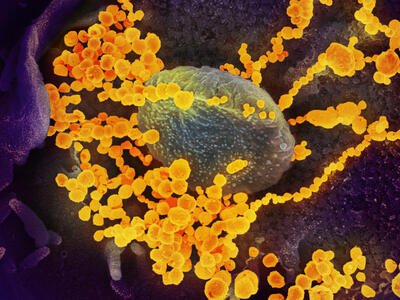
NCI scientists, along with experts from other government agencies and academic medical centers, have launched a joint effort to help FDA evaluate commercially available antibody tests for SARS-CoV-2, the coronavirus that causes COVID-19.