
Screening & Early Detection - Cancer Currents Blog
News about research on cancer screening and early detection. Includes stories on the impact of screening, new technologies, and approaches to improving the safety and efficacy of screening.
-
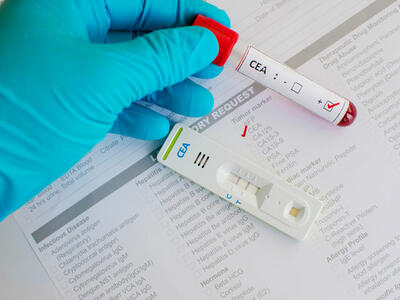
Two studies examined the impact of more frequent follow-up testing for cancer recurrence in colorectal cancer survivors. Learn whether the studies showed that frequent testing improved survival.
-
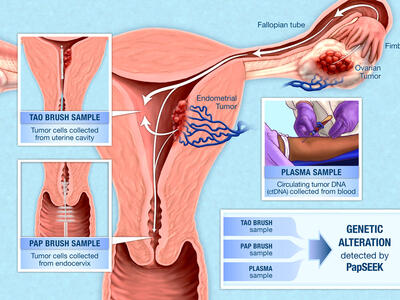
Scientists have struggled to come up with a simple test to detect endometrial and ovarian cancers early, when they are most likely to respond to treatment. Can a liquid biopsy test called PapSEEK change that?
-

Colorectal cancer screening reduces deaths from the disease, yet about one-third of Americans aren’t up to date with screening. Learn what happened when people waiting for routine checkups used an app that allowed them to order their own screening test.
-

An analysis of data from a demonstration project led by the Veterans Health Administration may help to better define who is most likely to benefit from lung cancer screening.
-

A new study shows that many patients diagnosed with a new cancer have had one or more cancers in the past, which has potential implications for long-term surveillance and clinical trial enrollment.
-
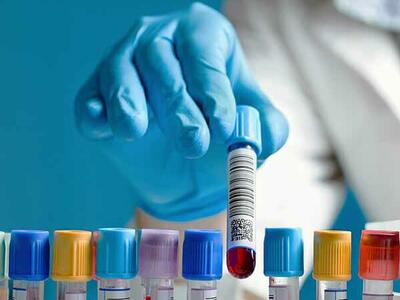
Research studies show tests that analyze tumor DNA in blood, called liquid biopsies, may help detect cancer early, guide precision cancer treatment, and track treatment response.
-
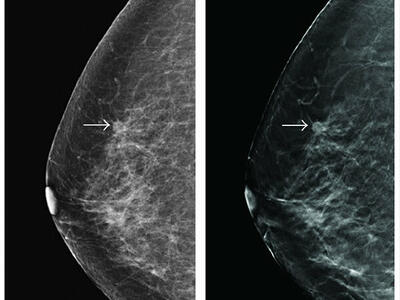
A large nationwide clinical trial called TMIST has been launched to compare two techniques used for mammograms: tomosynthesis, often called 3D mammography, and standard 2D digital mammography.
-

Proactive, low-tech outreach approaches can help increase the number of people who get screened for colorectal cancer with a colonoscopy or home stool test and complete the appropriate follow-up.
-
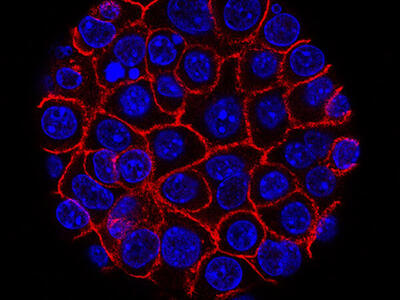
A new blood test that measures levels of two specific proteins may be able to accurately detect pancreatic cancer at its earliest stages, when it is most likely to respond to treatment, findings from a new study suggest.
-
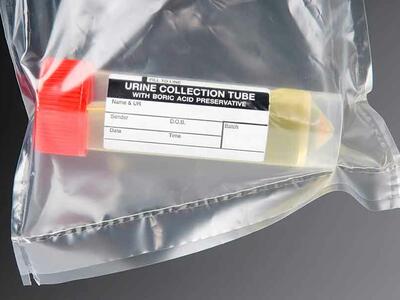
Findings from a new study show testing for two biomarkers in urine may help some men avoid an unnecessary biopsy to detect a suspected prostate cancer.