
Technology - Cancer Currents Blog
News and commentaries on technology used to conduct cancer research, deliver cancer treatment, improve patient care, and screen for cancer, as well as other topics.
-
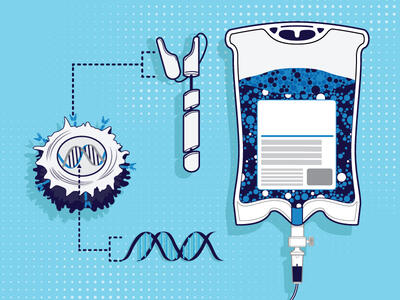
NCI is developing the capability to produce cellular therapies, like CAR T cells, to be tested in cancer clinical trials at multiple hospital sites. Few laboratories and centers have the capability to make CAR T cells, which has limited the ability to test them more broadly.
-
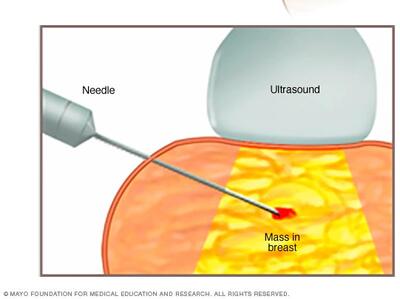
Researchers have developed a “microscaled” approach to analyze the proteins and genetic changes (proteogenomics) of a tumor that uses tissue from a core needle biopsy. The analyses can provide important information that may help guide treatment.
-
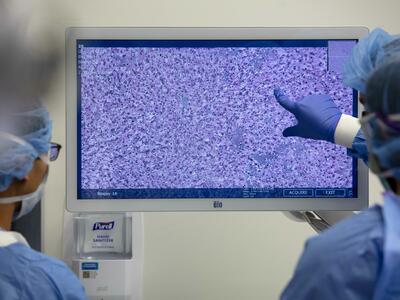
A method that combines artificial intelligence with an advanced imaging technology can accurately diagnose brain tumors in fewer than 3 minutes during surgery, a new study shows. The approach can also accurately distinguish tumor from healthy tissue.
-
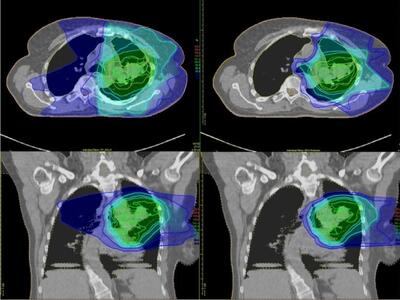
Some experts believe that proton therapy is safer than traditional radiation, but research has been limited. A new observational study compared the safety and effectiveness of proton therapy and traditional radiation in adults with advanced cancer.
-
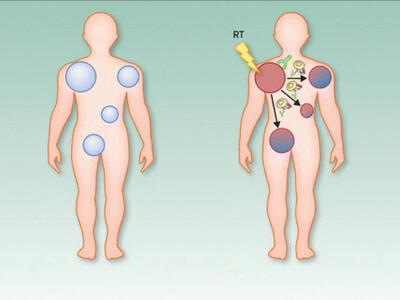
In people with cancer, the abscopal effect occurs when radiation—or another type of localized therapy—shrinks a targeted tumor but also causes untreated tumors in the body to shrink. Researchers are trying to better understand this phenomenon and take advantage of it to improve cancer therapy.
-

At a recent NCI-sponsored scientific workshop, patients with cancer, researchers, and patient advocates exchanged ideas about personal genomic data, issues related to privacy, and data sharing.
-
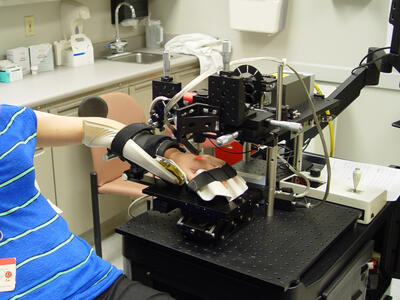
Researchers have developed a device that uses lasers and sound waves to scan circulating blood for melanoma cells. In a small study, the device accurately detected and reduced the amount of cancer cells in participants’ blood.
-

NCI has launched an ambitious initiative, called the NCI Program for Natural Products Discovery (NPNPD) and funded by the Cancer Moonshot℠, to make it easier for researchers to mine nature for leads on new cancer drugs.
-
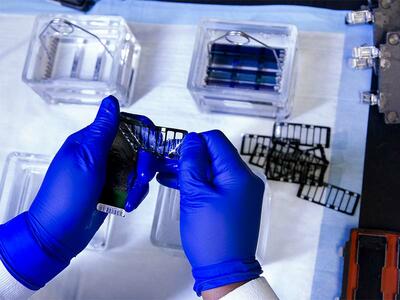
NCI Director Dr. Norman Sharpless describes how NCI’s Small Business Innovation Research and Small Business Technology Transfer Programs act as “engines of innovation” and shares recommendations from a federal working group for strengthening the programs.
-
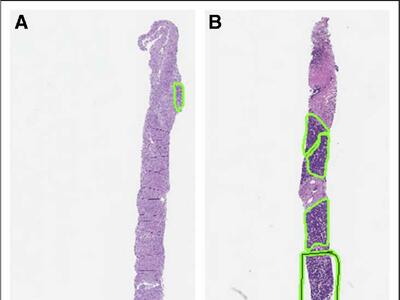
An NCI-led team of researchers has developed and tested recommendations for improving the quality of biopsy specimens collected from patients participating in cancer clinical trials.