
2021 - Cancer Currents Blog
-
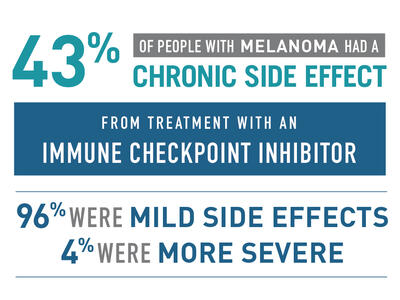
While doctors are familiar with the short-term side effects of immune checkpoint inhibitors, less is known about potential long-term side effects. A new study details the chronic side effects of these drugs in people who received them as part of treatment for melanoma.
-
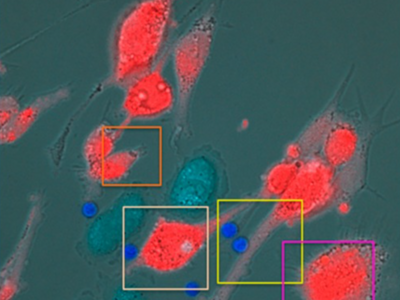
In a large trial, tebentafusp helped patients with uveal melanoma live longer than patients who received other treatments for the disease. Uveal melanoma is an aggressive cancer of the eye, and many patients do not survive for a year once it has spread.
-

In a large clinical trial, cancer survivors treated with acupuncture had modest improvements in chronic pain compared with those who received standard pain treatments. The study couldn’t rule out a placebo effect for the improvement with acupuncture.
-
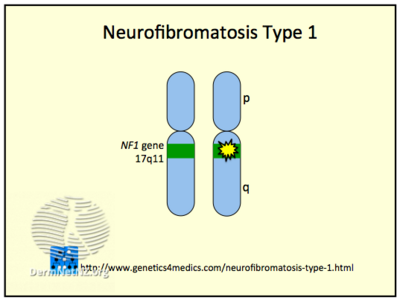
The study also found that people with neurofibromatosis type 1 (NF1) developed some cancers at an earlier age and were more likely to die from several cancer types, which make preventive measures and early diagnosis important for people with NF1.
-
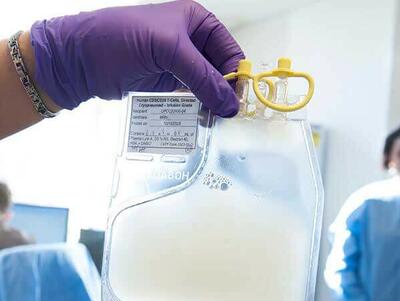
The Food and Drug Administration has approved idecabtagene vicleucel (Abecma) for some people with multiple myeloma. The approval is based, in part, on a small study in which ide-cel partially or completely shrank tumors in 72% of patients.
-

For people with acute myeloid leukemia and related cancers, a new study shows whole-genome sequencing could replace a series of conventional tests used to help guide decisions about treatment.
-
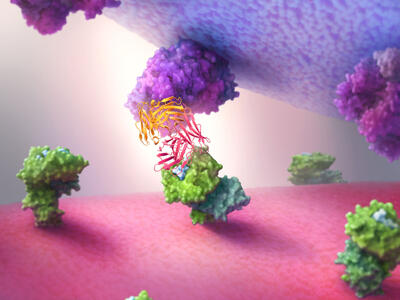
Researchers have developed synthetic antibodies, called diabodies, that block the activity of two of the most notorious cancer-related proteins, RAS and p53. In experiments in mice, the synthetic antibodies shrank tumors with these mutated proteins.
-
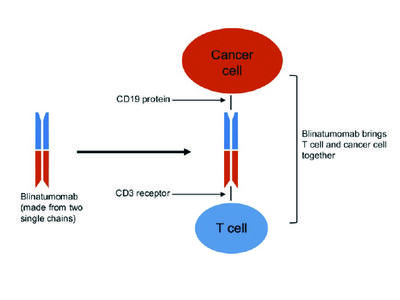
The results of two trials establish blinatumomab (Blincyto) as a new standard treatment for children and young adults with high-risk relapsed B-cell acute lymphoblastic leukemia after remission has been achieved and before a stem cell transplant.
-
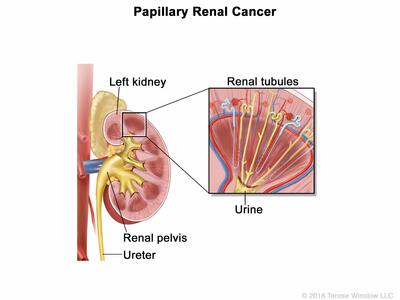
Cabozantinib (Cabometyx) is an effective initial treatment for people with metastatic papillary renal cell carcinoma (PRCC), a rare type of kidney cancer. A clinical trial showed the drug was more effective than the current standard treatment.
-

Combining text messaging with mailing people free at-home FIT kits helped increase screening for colorectal cancer among a predominantly Black population, a new study has found. It’s part of a larger effort to reduce disparities in cancer screening.