
2024 - Cancer Currents Blog
-
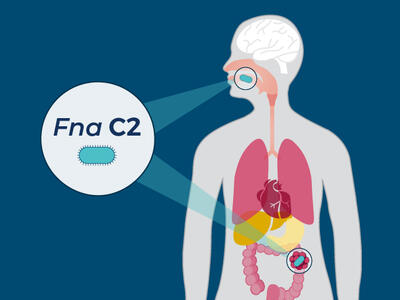
NCI-funded researchers have pinpointed a single type of the bacterium F. nucleatum that appears to fuel the development and growth of colorectal cancer. In mice, the bacterium, Fna C2, appeared to cause more adenomas to form in the large intestine and it was often found in human tumor samples.
-
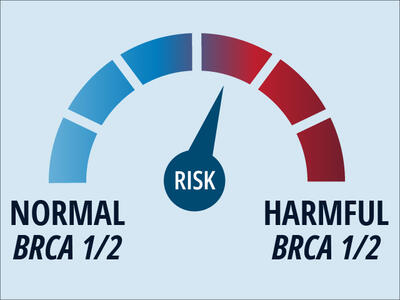
For women with inherited changes in the BRCA1 or BRCA2 genes, regular MRI scans and undergoing a surgery called a salpingo-oophorectomy appear to lower their chances of dying from breast and ovarian cancer, according to results from two studies.
-
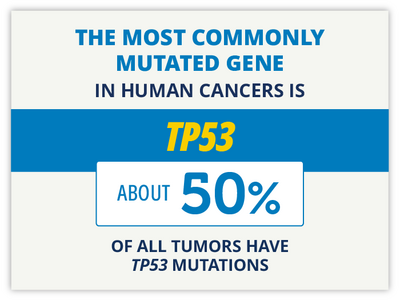
Although TP53 mutations help drive the growth of most cancers, there are no FDA-approved therapies that target altered p53 proteins. Now a drug combination has shown promise in mice and is being tested in a clinical trial.
-
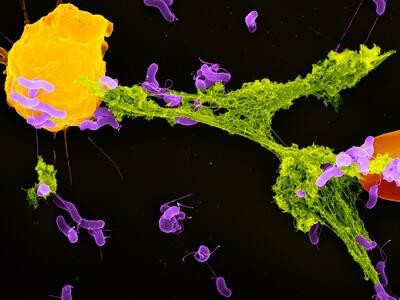
Stress-induced hormones called glucocorticoids can cause biological changes—in the form of sticky traps called NETs—that help create hospitable environments for cancer cells to form metastatic tumors, according to new research done largely in mice.
-
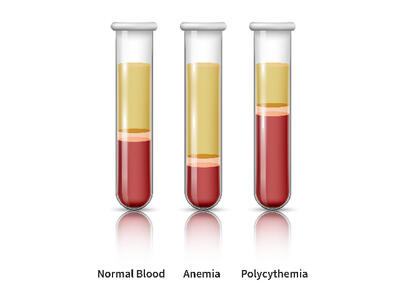
Adding rusfertide to treatment for polycythemia vera cut phlebotomy rates from nine to less than one per year in a recent clinical trial. The finding may improve the quality of life for those who manage the blood cancer with frequent blood draws.
-

For some people with early-stage cervical cancer, a surgical procedure called a simple hysterectomy may be a safe and effective alternative to treatment with a radical hysterectomy, results from the SHAPE trial show.
-

Eliminating disparities will require the efforts of people from across a broad spectrum of scientific research, according to leading experts, and must include working in concert with people and organizations in the community.
-
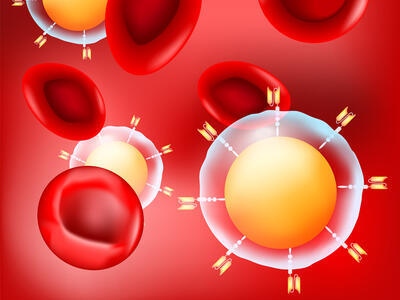
Adding a fusion of parts of two genes helped engineered T cells divide faster, kill more tumor cells, and survive longer in mice without making the T cells behave like cancer cells.
-

In a clinical trial, an injectable form of nivolumab (Opdivo) was as effective against kidney cancer as the intravenous form of the drug. Side effects were also similar and treatment time was shorter. Injectable immunotherapies, several experts said, if found to be comparable to IV forms, can be more convenient to receive and accessible to more people.
-

In an event more than three decades in the making, FDA has approved lifileucel (Amtagvi), the first cancer treatment that uses immune cells called tumor-infiltrating lymphocytes, or TILs.